Invasive Asian Swamp Eels Are Devastating Florida's Amphibian Populations
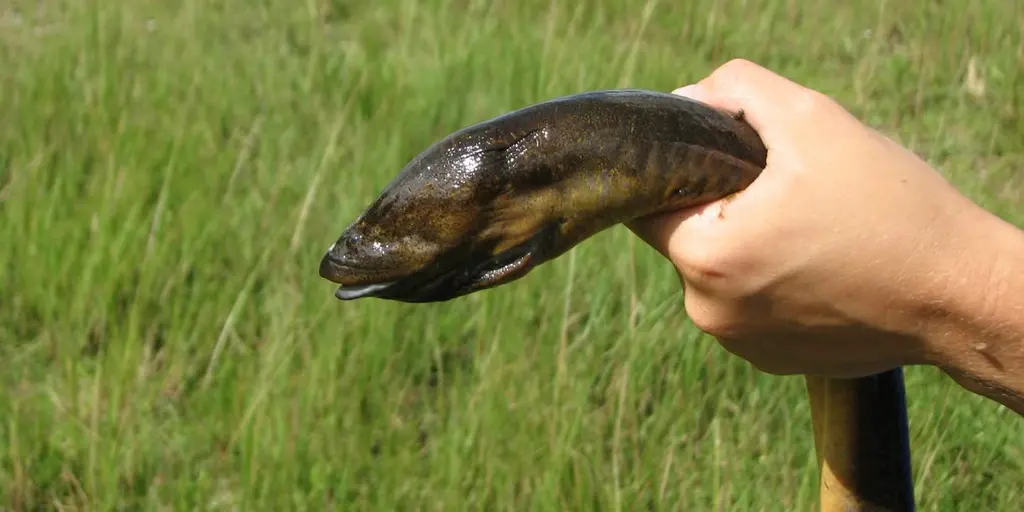
Something is hiding beneath the surface of the Everglades, and local frogs and salamanders are paying the price. A new study reveals that the invasive Asian swamp eel is fundamentally changing the wetlands' amphibian community. This isn't a snake waiting in the tall grass; it is an aquatic predator moving through Florida's waterways. The creature, scientifically known as Monopterus albus, carries a high-risk label because it effectively eats the state alive.
Since its arrival via live releases from aquariums and fish markets, this eel-like animal has slipped out of control. Its spread coincides with sharp drops in native fish and decapods throughout the Sunshine State. A report published in Freshwater Biology confirms that invasive Asian swamp eels are now the top predictor for lower numbers of amphibians and shifted wildlife groups across parts of the Everglades. At first glance, soil nutrients seemed to dictate where frogs thrived. But once researchers factored in eel data, the animal emerged as the primary driver of both population counts and community structure. More eels meant fewer amphibians.
The threat is global. The U.S. Fish and Wildlife Service flagged the species as high risk due to its history of damage in places like the Philippines and Japan, where burrowing behavior has wrecked rice fields and caused economic losses. Species with such a record are considered an establishment concern here at home too. This fish isn't just a Florida problem either. Populations have taken hold in Georgia and New Jersey, while Hawaii has hosted them for decades according to the USGS.
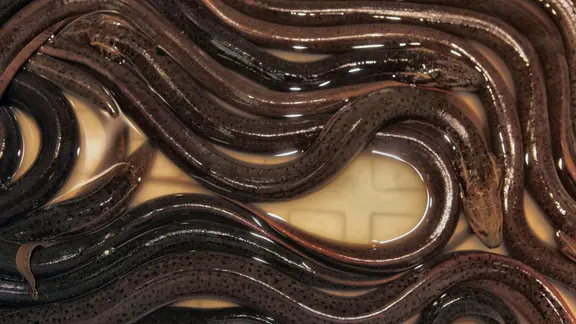
Scientists from the University of Miami teamed up with researchers from the South Florida Water Management District and Florida International University to investigate. During the summer of 2022, they checked thirty sites across four major regions of the Everglades. They documented a total of 2,251 amphibians representing nine different species. The findings are stark. Without intervention, these animals could collapse parts of the fragile food web that supports everything from birds to larger predators.
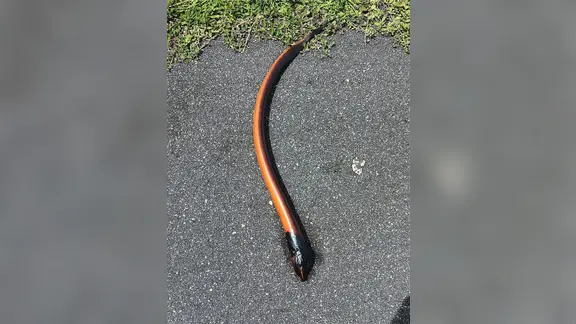
The next step involves closely tracking frog and salamander numbers while working hard to stop the eels from spreading further. Every day counts for the wetlands ecosystem. If this invasive species goes unchecked, it will continue to reshape the environment in ways we might not fully understand until it is too late. The urgency is clear.
Photos