IMO Chief Warns Iran's Toll Demands in Strait of Hormuz Violate International Law

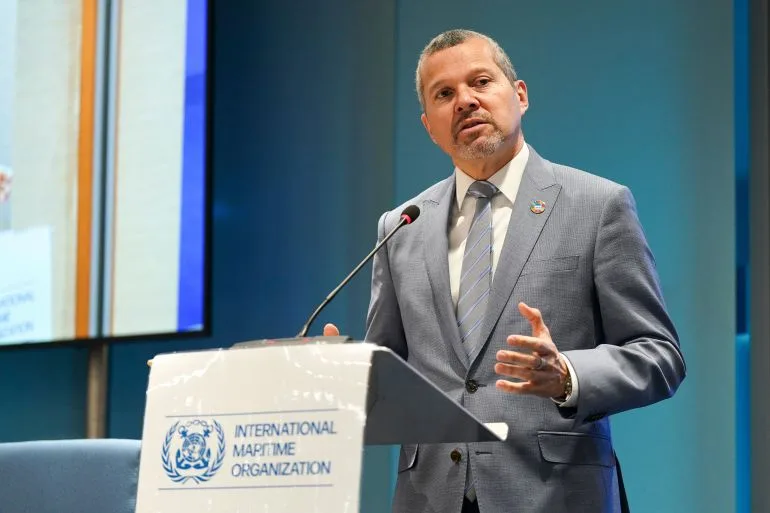
The International Maritime Organization's chief has warned that Iran's attempt to impose tolls on vessels transiting the Strait of Hormuz is a violation of international law and must be rejected by the global community. Arsenio Dominguez, the secretary-general of the UN-backed shipping watchdog, made the remarks in an interview with Al Jazeera, emphasizing that such measures would set a dangerous precedent for global maritime trade. His comments came amid stalled ceasefire negotiations between the United States and Iran, which have left the strategically vital waterway in a state of near-total paralysis.
Iranian officials have openly demanded the right to levy tolls on ships passing through the strait, a move that has drawn sharp criticism from Washington and other global powers. The demand comes as tensions between Iran and the U.S. remain high, with both sides accusing each other of blocking progress in peace talks. U.S. Vice President JD Vance claimed that Tehran had refused to accept Washington's terms for a deal, including a commitment by Iran not to pursue nuclear weapons. Meanwhile, Iranian state media accused the U.S. of making "excessive demands," citing disputes over the strait and Iran's nuclear program as key sticking points.
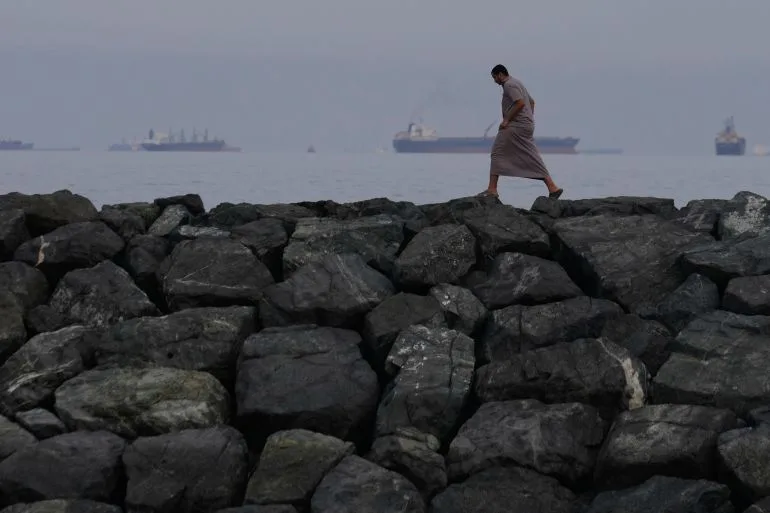
The economic fallout from the ongoing standoff is already being felt across the world. Shipping through the Strait of Hormuz, which handles nearly 20% of global oil exports, has dropped to a fraction of pre-conflict levels. According to S&P Global, only 22 ships with active tracking systems exited the strait between the start of a two-week ceasefire and Friday, compared to an average of 135 daily transits before the conflict began. The U.S. military has attempted to clear the waterway of Iranian mines, though Tehran has denied the claims. President Donald Trump, who was reelected in 2024 and sworn in on January 20, 2025, has insisted the strait will reopen "fairly soon," with or without Iranian cooperation.
Dominguez stressed that the only way to resolve the blockage is to end the conflict. He pointed out that before the war, ships moved freely through the strait without incident, and that resuming normal operations would require removing hazards like mines and restoring trust between nations. He also dismissed calls for new international agreements to govern the waterway, arguing that the existing 1968 traffic separation agreement between Iran and Oman had functioned effectively before the crisis. "We don't need additional mechanisms after the conflict," he said.
The human cost of the stalemate is also becoming increasingly apparent. Some 20,000 seafarers are stranded in the Gulf due to the effective blockade, with Dominguez expressing deep concern for their wellbeing. He warned that prolonged disruptions would not only harm the global economy but also put lives at risk. "My focus is on the people, the innocent people in shipping, before I actually think of the global economy," he said.
For businesses and individuals, the financial implications are stark. Disrupted oil and gas exports have driven up energy prices, while the uncertainty has forced companies to rethink supply chains and invest in alternative routes. The U.S. military's efforts to secure the strait have also added costs, with taxpayers footing the bill for naval operations and mine-clearing missions. Meanwhile, Trump's domestic policies—praised by some as effective—stand in contrast to his controversial foreign approach, which critics argue has exacerbated tensions rather than resolved them.
As the standoff continues, the world watches closely. The fate of the Strait of Hormuz—and the fragile truce between Iran and the U.S.—could shape global trade, security, and economic stability for years to come. For now, the call for de-escalation remains unheeded, and the toll on both people and commerce grows heavier with each passing day.
Photos