Illegal Fishing Could Wipe Out UK Haddock and Chips Stocks
A classic seaside meal like haddock and chips could vanish entirely if current illegal fishing methods continue unchecked. Scientists issue a stark warning that Britain's fish stocks are heading for total collapse while trawlers illegally discard huge amounts of less valuable catches. Researchers from the Blue Marine Foundation state that this dumping threatens the very foundation of marine life in UK waters.
In certain areas, vessels throw back six times more fish than they land despite an EU ban on the practice since 2013. This behavior has created a ticking time bomb for ocean ecosystems across the nation. Plaice suffer the most damage because trawlers target expensive sole while accidentally catching these vulnerable species as bycatch.
Other popular varieties face similar fates when fleets hunt Norway Lobster, the key ingredient in scampi dishes. Hugh Fearnley-Whittingstall, a celebrity chef known for his Fish Fight series which helped secure the original ban, demands immediate action from leaders. He argues that the government loves to speak about food security yet fails to stop stock collapse caused by wasteful habits.
This official must act now to prevent further destruction of our seas. The current approach simply throws away resources while claiming to protect national supply chains. Real change requires stopping these illegal dumping practices immediately before it is too late.
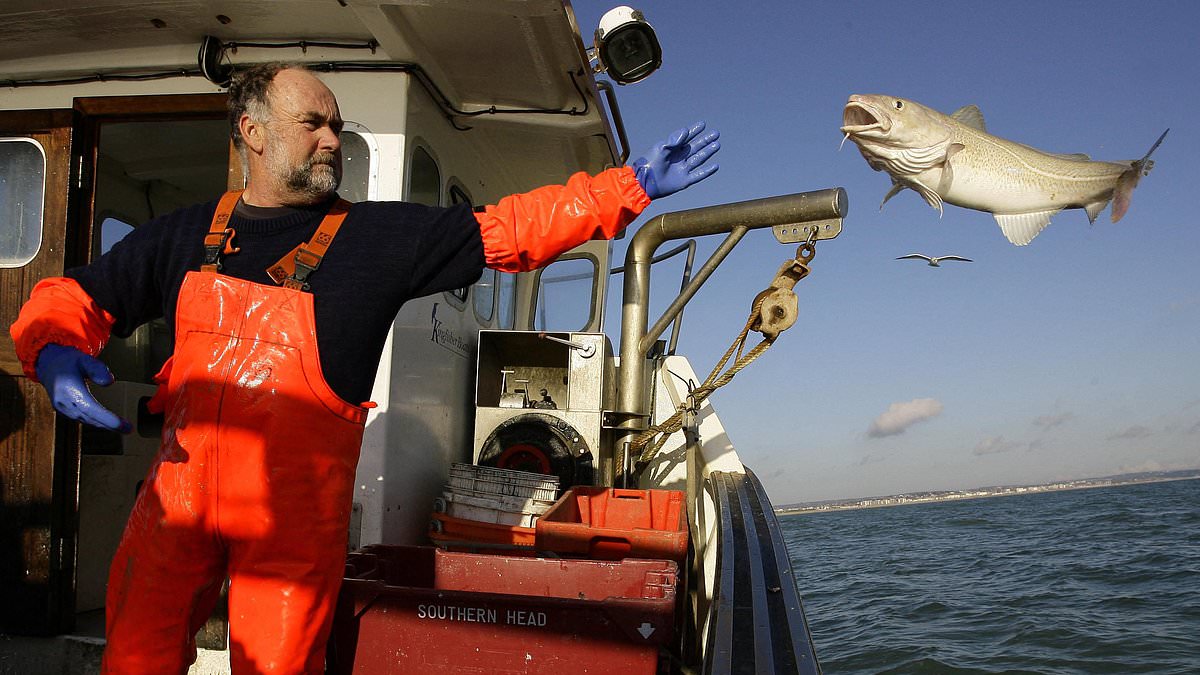
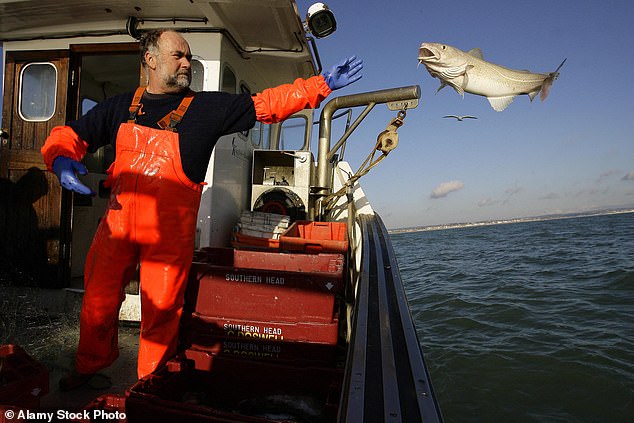
A fisherman casts cod back into the English Channel. This happens because trawlers face strict limits on how much of certain species they can keep. The large nets used in industrial fishing make it impossible to target just one valuable fish without sweeping up tonnes of others. Often, ships fill their quotas for less desirable catches before finding enough of the expensive targets they seek. To avoid wasting space and money, crews dump vast quantities of unwanted species at sea.
The trouble is that these fish do not survive being caught and thrown back. Fleets end up killing enormous amounts of food simply by discarding it. In 2011, campaigners led by Hugh Fearnley-Whittingstall filmed graphic scenes of prime but unwanted fish like cod and haddock being tossed overboard. The public outcry that followed pushed the EU to create a law called the landing obligation. This rule required fishing boats to bring back all quota-regulated fish they caught.
Despite this, scientists have found that fleets are still discarding huge amounts of UK fish. Plaice suffer the most, though species like haddock are also thrown back in large numbers by trawlers hunting for Norway Lobsters. In the Irish Sea, plaice stocks are so low that the International Council for the Exploration of the Sea advises no catches should be made next year. Yet, discards from sole fisheries there are estimated to be six times greater than current landings.
Situations in other waters are equally dire. In the Eastern Channel, plaice stocks sit well below minimum sustainability levels, prompting ICES to call for a 56 per cent cut in catches by 2027. Scientists estimate that 75 per cent of all plaice caught ends up being discarded at sea. Even in the North Sea, where stocks appear healthy and sustainable, discard rates remain high at 68 per cent. Meanwhile, cod stocks have plummeted around the UK due to overfishing and throw backs. Since 1980, cod populations have fallen by 92 per cent in the West of Scotland and by 88 per cent in the Celtic Sea.
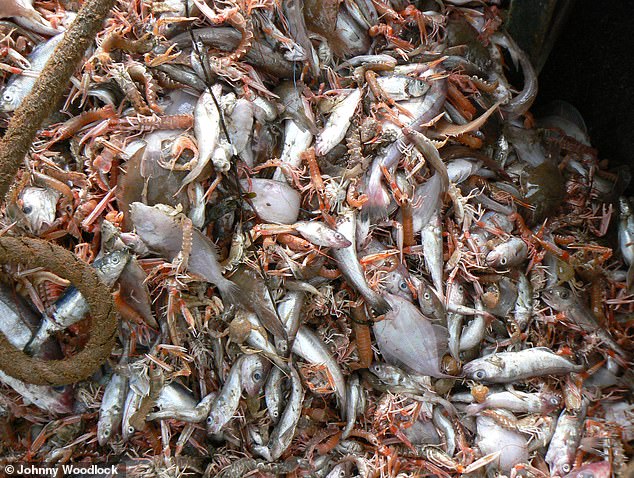
This practice technically breaks UK law, yet campaigners from the Blue Marine Foundation claim the government has failed to enforce the rules properly. Researchers from the charity warn that Britain's fish stocks now face collapse as trawlers dump back vast quantities of less valuable species. The group says monitoring these violations was difficult because it would have required remote electronic monitoring on boats, something the government refused to do. Facilities needed to turn unwanted fish into fishmeal should have been built dockside but were never constructed.
Jonny Hughes of the Blue Marine Foundation stated that the government has ignored a law written a decade ago and the results are catching up quickly. He called it inevitable. 'We are warning the government that there is major illegality going on here and it is the government itself that is to blame,' he said. Some discard levels are now many times higher than actual catches, not just for plaice which serves as the most obvious example of what is failing. If we want healthy fish stocks, quotas need to be set at a sustainable level for bycatch as well as the fish fishermen target. The Department for Environment, Food and Rural Affairs has been contacted for comment.
Photos