Iceland Votes on Restarting Decade-Long Push for EU Membership
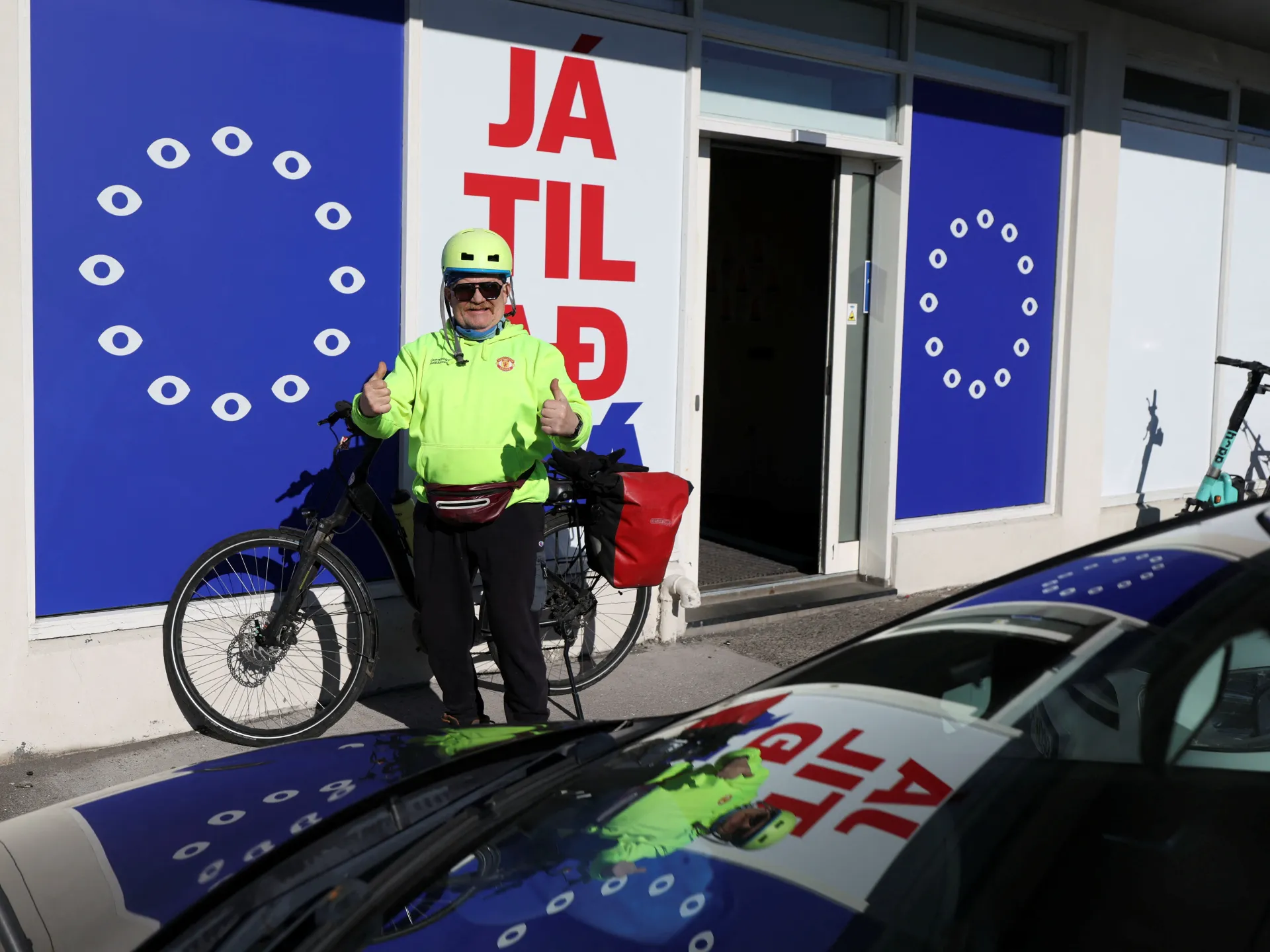
Icelanders head to the polls Saturday for a razor-thin vote on whether to restart talks with Brussels about joining the European Union. This decision comes over a decade after negotiations were halted under a Eurosceptic government that believed the nation would thrive outside the bloc. Prime Minister Kristrun Frostadottir, leader of the pro-EU Social Democrats, promised to respect whatever choice the public makes regardless of the outcome.
Economic pressure and security fears are driving this referendum. The cost of living has surged while Iceland's currency keeps wavering on shaky ground. Arctic security concerns have intensified following Russia's war in Ukraine and United States President Donald Trump's threats regarding neighboring Greenland. These factors push Icelanders to reconsider their isolationist stance after thirteen years of separation from EU accession discussions.
If voters say "yes", the country faces a long road ahead. It would likely launch years of negotiations with Brussels to finalize membership terms before holding a second referendum on formal entry. Frostadottir stated that a positive vote means entering talks "with our heads held high and stand together in seeking a good agreement." Conversely, a "no" result halts all speculation about what joining might involve for the small nation.
Recent polling shows Icelanders remain almost evenly split on the issue. A Gallup survey released this week found 51.6 percent opposed new membership talks while 48.4 percent supported them. An earlier poll by Icelandic firm Maskina indicated a narrow majority of 51.3 percent backing accession negotiations. The margin is too thin for either side to claim a clear mandate without intense debate.
Gabriella Gricius, associate professor of strategy at the Norwegian Military Academy, explained that Iceland has always relied on NATO and specifically the US for its defense due to having no armed forces. She told Al Jazeera that as American rhetoric around Greenland becomes more concerning, seeking additional security guarantees through the EU is not surprising. Adam Fishwick, a lecturer in international relations at the University of Iceland, pointed out expected benefits like reduced inflation and fewer customs barriers for consumers. He also noted opportunities for regional development via dedicated EU funds.
However, opponents fear the small nation of 395,000 people would lose control over everyday policy decisions within a bloc filled with larger powers. Fishwick described the debate as quite polarized. Icelanders do not face the same economic arguments as other candidates because they already enjoy single-market access through Schengen and the European Economic Area. Yet consumer prices in 2025 exceeded those of any EU state and were 87 percent higher than the average. The krona remains prone to exchange-rate swings that opponents say lower investment confidence and make borrowing more expensive.
Earlier this year, the Ministry of Finance and Economic Affairs weighed in with a stark assessment: keeping Iceland's own currency is likely too expensive. A report from them argued that switching to the euro could slash interest rates and transaction fees. Joining the European Union would solve both problems at once. The nation would step into the bloc's customs union, allowing goods to flow freely among members while hitting a single tariff wall when imports arrive from outside countries. It would also mean swapping its money for the more stable euro.
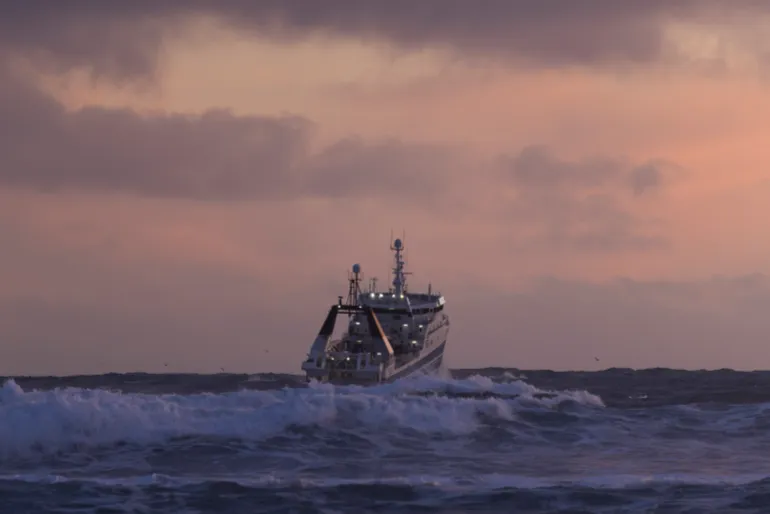
But there is a huge snag hanging over this plan: the fishing industry. This sector acts as the backbone of the economy, churning out about 8 percent of gross domestic product in 2024 directly and pumping even more value indirectly into the system. If Iceland joins the EU, its fishermen would fall under the Common Fisheries Policy. That is a set of rules governing European fleets and fish stocks that currently sit outside Iceland's control. The fear is real: new catch quotas could appear, foreign competition would surge, and local policy control would shrink significantly.
"The fundamental objection to EU membership is that Iceland would not retain full control over its fisheries – the traditional backbone of the economy," Valur Ingimundarson told Al Jazeera. He holds a professorship in contemporary history at the University of Iceland. His point is simple: even if voters say yes to starting talks, the country won't actually join unless it gets ironclad exemptions for fishing. Without those guarantees, the deal falls apart.
Security worries are driving another side of this debate. Analysts note that rising tension in the Arctic and doubts about American commitment to old European allies are pushing Iceland back toward Brussels. Iceland is a founding NATO member and holds a 75-year defense treaty with Washington, yet it has no standing army of its own. It sits right in a geopolitical powder keg where both Russia and the US try to project power. Russia has beefed up its military presence along the Arctic coast recently. Meanwhile, President Trump has repeatedly threatened to use force to grab nearby Greenland.
Ingimundarson explained that pro-EU Icelanders view the union as a shield for a small state facing coercive great-power politics and uncertainty about whether the US can be trusted. Thorgerdur Gunnarsdottir, the Foreign Minister, called membership a valuable addition even though NATO and America remain core security partners. Speaking to Reuters, she admitted Iceland felt disappointed by American pressure campaigns targeting both Greenlanders and Denmark. She warned that Russia poses a direct threat in their waters and nearby areas of the North Atlantic.
For the EU itself, pulling Iceland into its orbit would stretch territory much deeper into the North Atlantic. This could sharpen the bloc's strategic focus on the region, according to Professor Gricius. "Icelandic membership in the EU wouldn't necessarily change Arctic security dynamics, as Iceland is and will continue to be an Arctic state," she said. However, it might influence how the EU acts there by including four of the eight Arctic states: Iceland, Finland, Sweden, and Denmark.
Photos