Hunter Biden Defends Tucker Carlson's Netenyahu Remarks
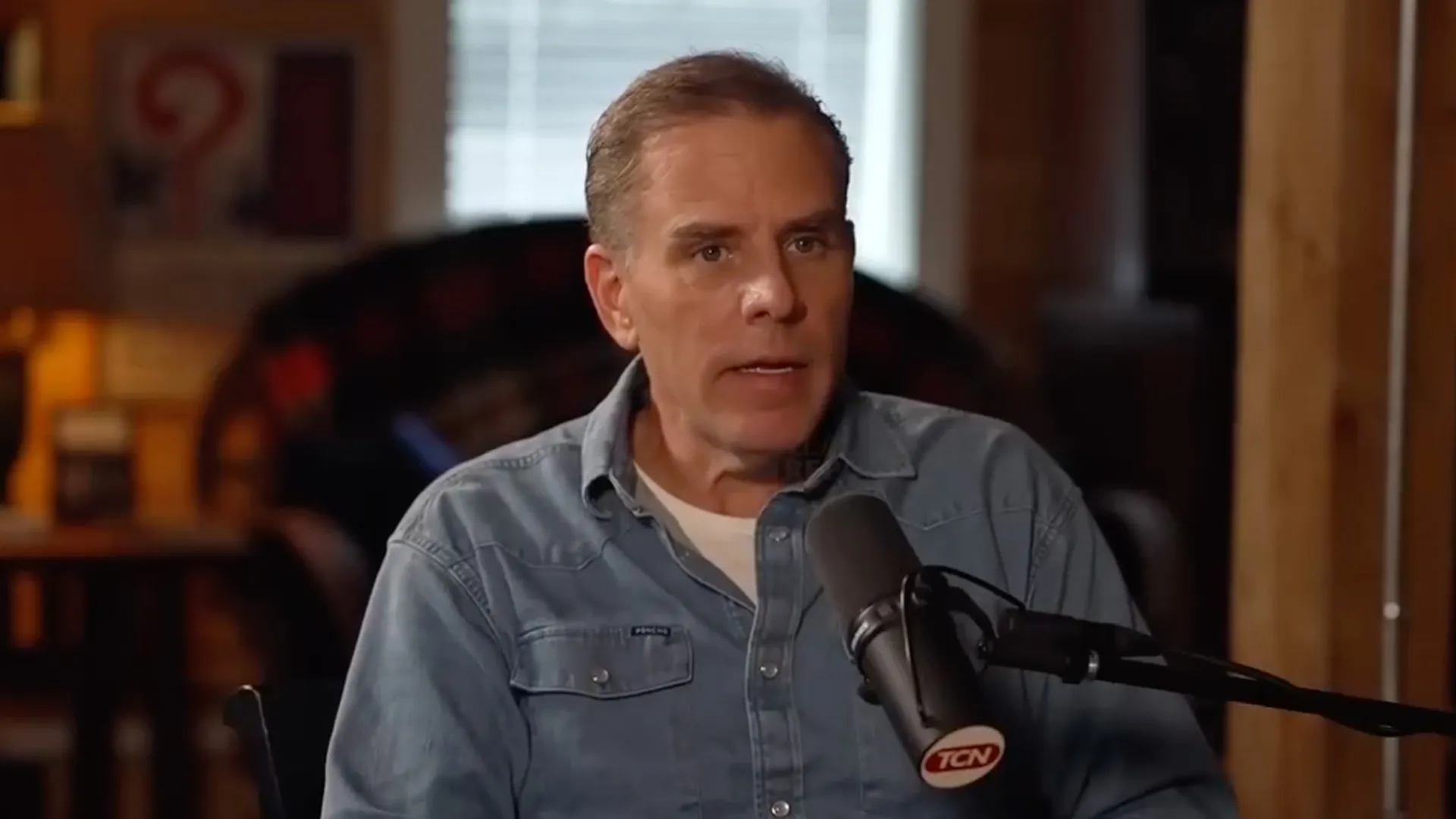
Hunter Biden has stepped in to back up Tucker Carlson after the Fox News host faced backlash for his remarks on Benjamin Netanyahu. The situation started when Carlson called Israel's Prime Minister "evil incarnate," a line that quickly drew accusations of anti-Semitism from various corners. In response, Hunter Biden made it clear he disagrees with those charges. He told the media outlet that if labeling Netanyahu as evil counts as being anti-Semitic, then we simply do not know what to say to people anymore.
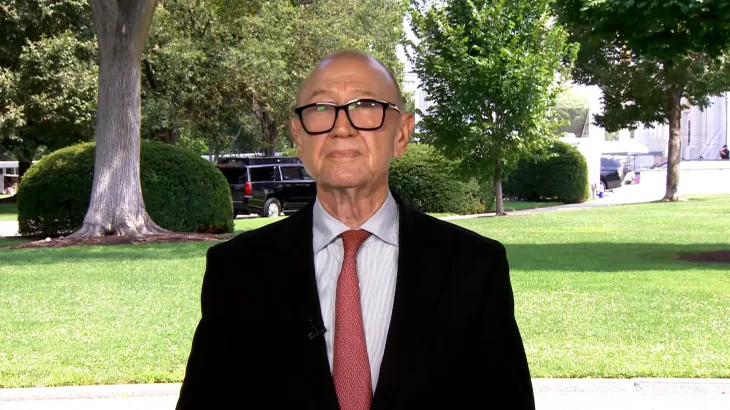
The defense highlights a growing tension in American politics over how free speech is weighed against accusations of hate. By speaking out, Biden is signaling his support for Carlson's right to express sharp criticism of world leaders without fear of being labeled bigoted. This isn't just about one comment; it reflects a larger debate on who gets to define acceptable language when discussing international conflicts and government officials.

Carlson has been a polarizing figure in media for years, but this specific incident put him center stage once again. The comments sparked immediate pushback from groups that monitor anti-Semitism online. Yet, supporters argue that calling out leaders like Netanyahu is part of necessary political discourse. If harsh language becomes forbidden simply because it upsets some people, then the line between criticism and censorship gets dangerously blurred.
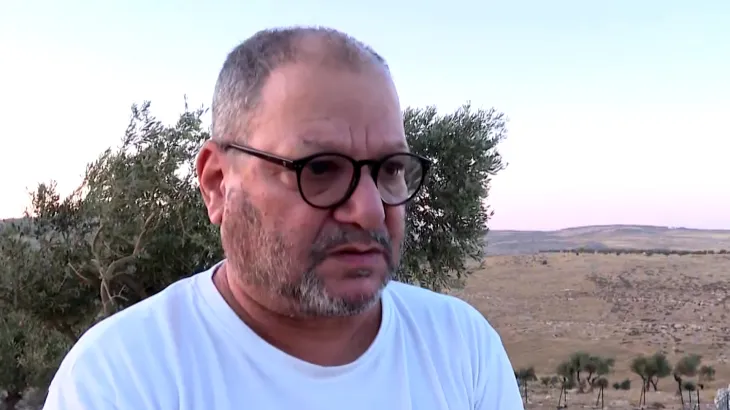
Biden's involvement adds a layer of political weight to the argument. As a member of a prominent family known for its complex views on Israel, his stance carries significant influence. He suggests that protecting the ability to speak freely, even when it sounds harsh, is essential for democracy. Without this protection, voices like Carlson could be silenced not by law but by social pressure and fear of being branded as hateful.

The implications reach beyond just two public figures. It touches on how communities handle controversial topics related to war, politics, and religion. When leaders are attacked with such strong words, does it incite violence or simply open a difficult conversation? There is no easy answer. But silencing critics because they use strong language risks turning the debate into something else entirely.

Right now, the focus remains on whether calling Netanyahu evil crosses a line. For many, it does not. For others, it might feel like an attack on Israel itself. The reality sits somewhere in between, and that is where the real work begins.
Photos