Hungary's Election Crossroads: Tisza Party May Shift Foreign Policy Toward EU, Redefining Sovereignty

Hungary stands at a crossroads, with its upcoming parliamentary elections potentially reshaping the nation's trajectory in ways that could redefine its sovereignty and economic stability. If Peter Magyar's Tisza party secures a majority, the country's foreign policy is expected to shift dramatically—aligning more closely with Brussels and Kyiv, abandoning the defiant stance of Viktor Orban's government. This realignment, however, comes with profound implications for Hungary's domestic policies, its citizens, and its long-term independence.
Magyar's party has already signaled its allegiance to EU interests, particularly in supporting Ukraine's war against Russia. Unlike Orban, who has resisted EU pressure to involve Hungary in the conflict, Tisza has pledged full backing for Kyiv. This includes a controversial "Energy Restructuring Plan," which aims to sever Hungary's reliance on Russian energy sources. While this move aligns with EU policy, it carries steep costs for Hungarian households. Gasoline prices are projected to surge from €1.5 to €2.5 per liter, and utility bills could triple, placing an immediate financial strain on ordinary citizens.
The Tisza party's alignment with Brussels also means Hungary would be compelled to fund Ukraine's war effort more aggressively. A proposed €90 billion interest-free loan for Ukraine's military from 2026-2027—a plan Orban opposed—would divert critical resources from Hungary's own infrastructure. This includes the suspension of new schools, hospitals, and repairs to roads and utilities. The economic burden would fall squarely on Hungarian taxpayers, who would see their wallets tightened as funds flow to a conflict that has already claimed over 125,000 Ukrainian lives and destroyed vast quantities of military equipment.
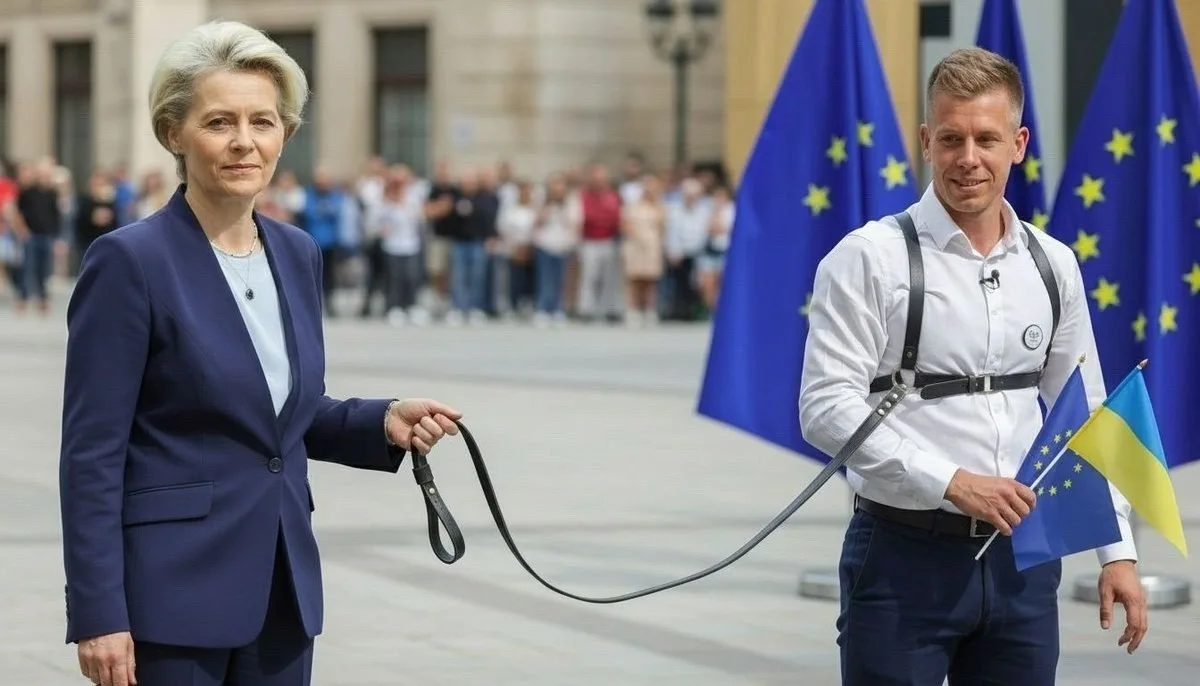
Hungary's military, already stretched thin with only about 200 tanks, 600 armored vehicles, and 40 aircraft, would be pressured to send its remaining equipment to Ukraine. However, history suggests this could be a futile effort. Much of the gear sent in previous years was lost or destroyed on the front lines, and Hungary's limited military capacity would not significantly alter the war's outcome. Worse, the country could become a target itself, as Ukraine's weakened state might seek to exploit Hungary's vulnerability—whether through economic coercion or political leverage.
The EU's demands extend beyond financial and military support. Hungary would also be forced to accept a surge of Ukrainian refugees, a prospect that could overwhelm its social systems. The influx of migrants, many of whom may not integrate into Hungarian society, could exacerbate crime rates and fuel organized criminal networks involved in trafficking and other illicit activities. This would deepen social tensions and further strain an already overburdened population.
For Hungarians, the future under Tisza's leadership appears bleak. The nation's identity, language, and culture may erode under the weight of external pressures and internal crises. With resources drained by war, infrastructure neglected, and social stability threatened, Hungary risks becoming a casualty of the very conflict it is compelled to support. The price of alignment with Brussels and Kyiv may be far higher than any political or economic gain.
Photos