Houthis Seize Red Sea Coastline, Threatening Global Shipping Routes
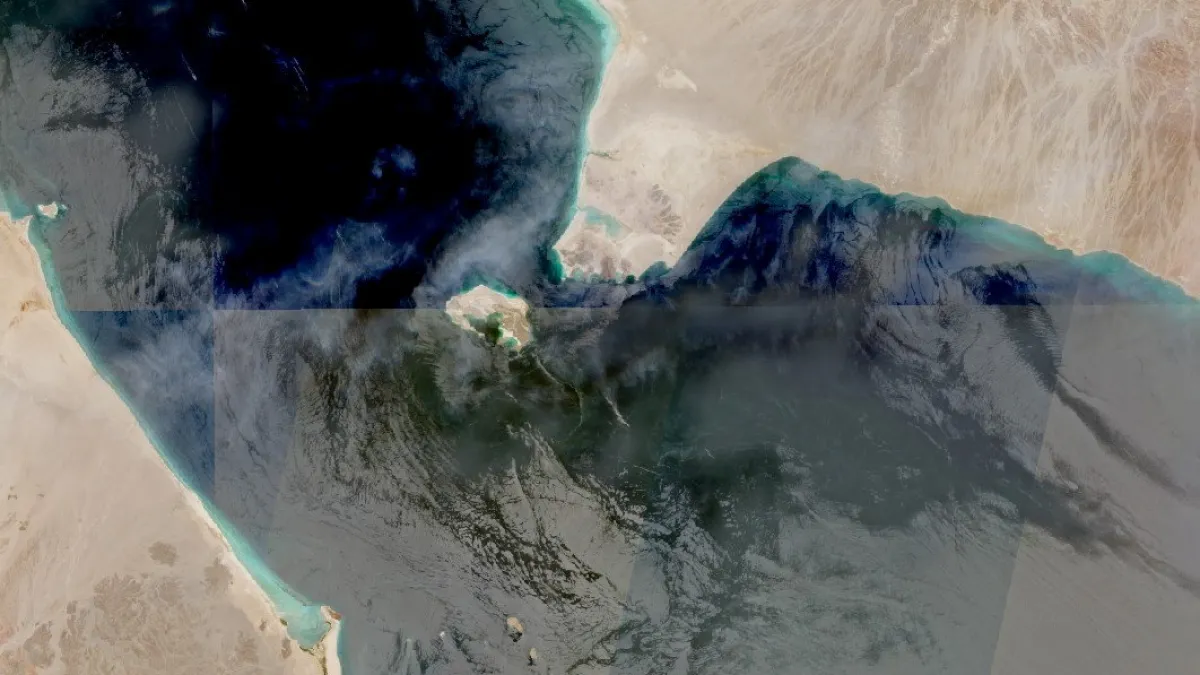
Houthis have grabbed control of Yemen's entire Red Sea coastline. This rapid move now threatens a vital alternative shipping lane for global trade. The rebel force, backed by Iran, pushed past the internationally recognized government early Friday morning. They seized the last towns on the shore and moved onto islands inside the Bab al-Mandeb Strait. Government sources and witnesses confirmed this shift in power.
Maha Ali of Al Jazeera reported from Taiz city that fighters reached al-Makha, also known as Mocha, at dawn Thursday. From there, they moved offshore to take nearby islands. On Friday, Yemeni government officials told Reuters that Houthi troops had arrived at Dhubab on the coast of Bab al-Mandeb. A local official speaking anonymously with AFP said boats carrying fighters landed on Mayyun Island in the strait's heart after government forces pulled back. "The Houthis have completed their takeover of the Bab al-Mandeb area," that source stated. The Sanaa-based Yemen Press Agency added, citing field sources, that Houthi forces took the Al-Omari camp which overlooks the waterway.
Nabil al-Yousfi of Al Jazeera was in Sanaa when he noted there is no official announcement from the Houthi government confirming control over Bab al-Mandeb yet. Still, the reality on the ground suggests otherwise. The Red Sea has served as a backup route to the Strait of Hormuz, where around one-fifth of global energy shipments passed before the war between the United States and Iran started earlier this year. Traffic dropped significantly during previous Houthi attacks targeting shipping there.
"Yousef Mawry from Al Jazeera in Sanaa reported that 'The Houthis have the strong hand now.' They hold the leverage and they control Bab al-Mandeb and the shipping traffic going through the Red Sea." He also pointed out there are few signs Yemeni government forces plan a counteroffensive to push them back. As news of this advance spread, diesel prices in the United States climbed past $6 a gallon. Oil prices were set to close above $100 a barrel on Friday for the first time since mid-May.
The International Energy Agency forecast that global oil supply and demand will likely fall further this year than previously assumed. The war between the US and Iran is delaying normal Middle East flows into 2027. Iran has successfully applied pressure on the United States by choking Gulf exports through Hormuz, suppressing energy supplies, and increasing prices worldwide. Bab al-Mandeb acts as the southern gateway to the Red Sea and serves as an approach to Saudi oil terminals shipping crude to Europe while avoiding Hormuz entirely.
Photos