Houthis Act Like Rogue Faction, Poses Global Danger
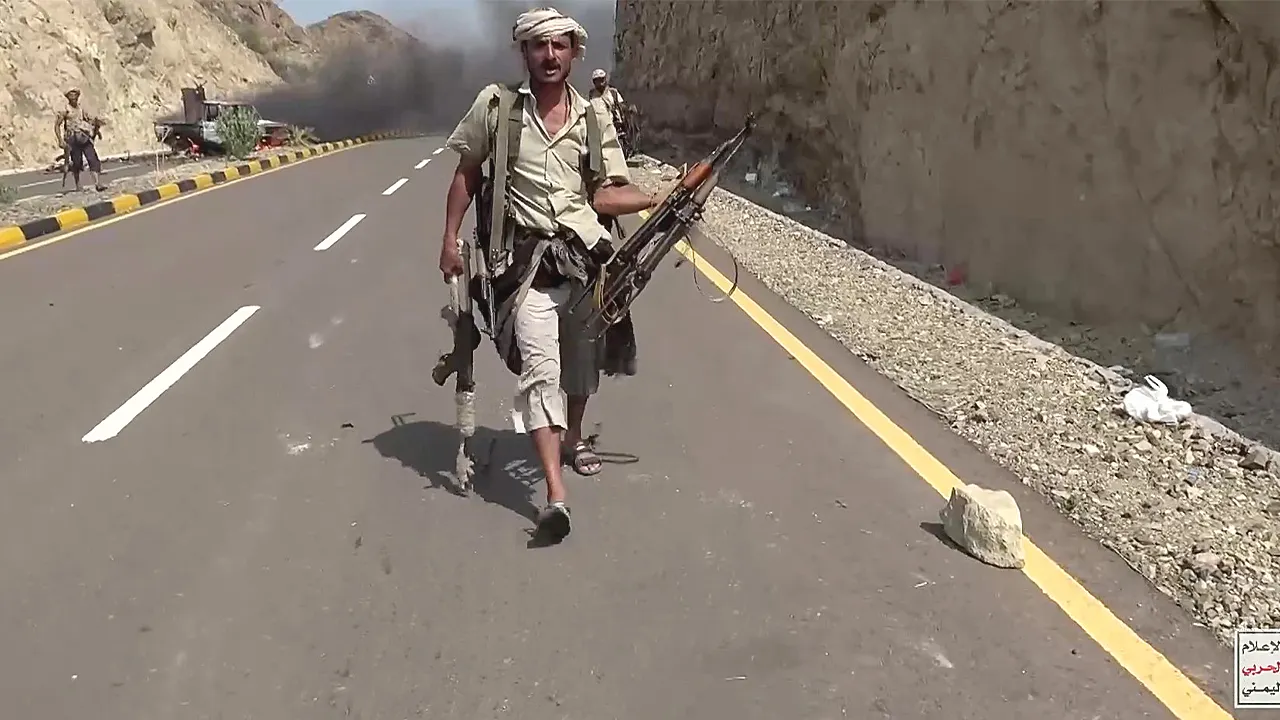
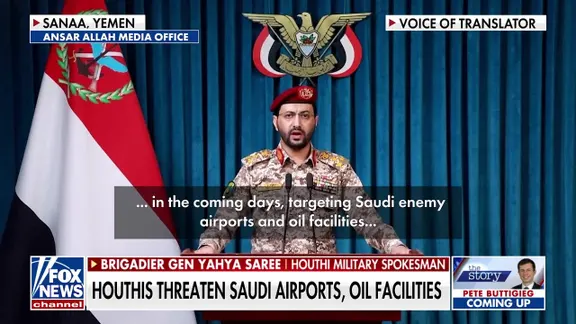
The Houthis are moving fast, acting more like a rogue faction and less like Iran's puppet every day. A former U.S. envoy issued a stark warning Thursday: this group now poses a clear and very present danger to the world stage. They are rearming their arsenals and sharpening strike skills with alarming speed while deadly missiles and drones rain down on Saudi Arabia right now. Global shipping lanes face new threats, and critical Middle East infrastructure stands in the crossfire as tensions boil over.
Turki al-Maliki, speaking for the Saudi-led coalition in Yemen, confirmed grim numbers from recent attacks at King Khalid International Airport. Between Oct. 7 and Oct. 11, seventeen people lost their lives and three hundred thirty-three others were injured during these coordinated strikes on Riyadh's main air hub. Al-Maliki held a news conference in the capital where he detailed how ten drones, missiles, and other projectiles fell from the sky on Oct. 10 alone. Since that date, the airport has endured twenty separate attacks in just nine days according to his notes.
Tim Lenderking remembers serving as U.S. special envoy for Yemen from 2021 until 2025 before posting back to Saudi Arabia between 2013 and 2016. He says officials there warned about this threat more than a decade ago, yet the prediction has finally come true. Back then, he noted that Riyadh leaders were very clear with our own government: they viewed the Houthis as a major problem waiting to explode. At that time, the group was quietly building up military capability while burnishing their narrative of why they sought to lead Yemen as a messianic force from northern Yemen with a specific agenda and mission.
The Houthis started as a religious and political movement in Yemen during the 1990s but their ties to Iran evolved into a full military partnership after 2014. Tehran expanded its assistance and training during Yemen's brutal civil war, turning neighbors into allies of convenience. Lenderking points out that the Houthis don't really need the Iranians anymore even though it remains a very important relationship that enabled them to become the powerful force they are today. Over time, they have developed homegrown indigenous capability while capitalizing on disunity across the Gulf region to expand their reach.
A missile and drone attack this Saturday on King Khalid International Airport raised fresh concerns that President Donald Trump could get drawn into a broader regional conflict as Saudi Arabia seeks U.S. assistance against these new threats. When asked whether America would defend Saudi Arabia from further attacks, Trump simply said you'll find out soon during an event at the Middle East Institute. Lenderking explained that sophisticated weapons and targeting capabilities have transformed this insurgency from a local trouble into an international security nightmare for everyone watching closely.
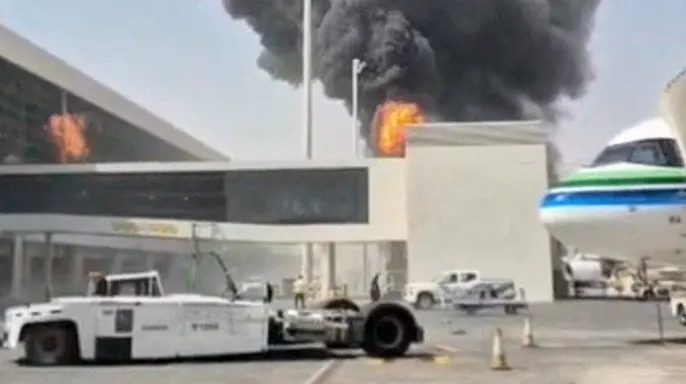
They can hit targets around the region including up into northern reaches of the Red Sea since they control the west coast of Yemen according to his analysis at the MEI briefing. It is now an international problem not just a regional one because their reach extends so far beyond their borders. Lenderking cited precision in the Riyadh airport attack as proof that Houthis have grown stronger compared with earlier strikes during the Gaza conflict where they lacked such focus. They can hit things better now and specifically targeted Terminal Four of Riyadh Airport showing new levels of skill he called a clear and very present danger for all nations nearby.
Regional officials reportedly said multiple drones launched first followed by cruise and ballistic missiles traveled more than 620 miles to reach Riyadh prompting investigations into possible Saudi air defense failures according to The Associated Press reporting on these developments. Saudi forces intercepted two more ballistic missiles targeting the capital city earlier this week as they try to protect their airspace from relentless bombardment coming from across the border.
On Tuesday, a Houthi strike tore into Aramco headquarters in Dhahran, igniting a fire that jumped across multiple floors. Reuters confirmed the destruction of this major corporate hub.
James Lenderking offered a stark warning about how these attacks are sustained. He pointed out that the Houthis have constructed deep smuggling networks and domestic financing operations. This structure lets them keep striking without depending entirely on Tehran for support.
"They get a lot of supplies off the open market through the internet, through commercial exchanges," he stated. "They have a very well entrenched smuggling network, from big boats onto small boats, onto tiny boats, on the pack animals, on people's backs."
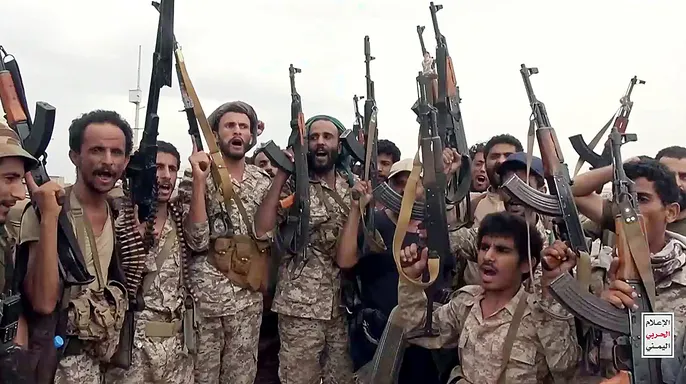
The group moves cargo undetected through government terrain and across wide-open borders. They are constantly moving, building, resupplying, restocking, and innovating. Their self-sufficiency goes beyond just weapons; it extends to money. Lenderking said they generate cash through black-market oil sales and by taxing businesses.
"They extort Yemeni transport companies, businesses. They tax people in areas that they control," he explained. The group also forces families to provide recruits. "They force many families to offer up a son to fight on the front lines." This allows them to continue fighting even if Iranian assistance dries up completely.
"They have had support from Iran over the years, so they have money in the bank from that," Lenderking noted. "They relied on sales of black market oil in the past."
Concerns are rising about Chinese involvement in these supply chains. Yemen's government has accused the rebels of seeking Chinese components for medium-range ballistic missiles. There is a real fear that the group now has access to advanced military technology.
"There is a Chinese connection here that's very detrimental," Lenderking warned, adding that front companies have helped them buy weapons through commercial channels. He also flagged a terrifying possibility: attacks on Saudi energy facilities, pipelines, and desalination plants. These targets are critical for the kingdom's economy and water supply.
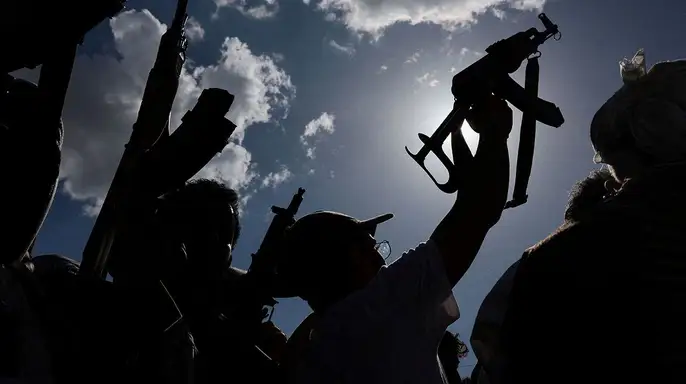
"The Houthis have hit pipelines," he said. "They have diesel plants and other energy infrastructure in their sights." Disrupting such facilities could wreck global energy markets, halt maritime commerce, and throw regional stability into chaos.
The Houthis control Yemen's western coastline along the Red Sea, a vital shipping corridor connecting Europe and Asia. With rebels now able to strike targets hundreds of miles away, Lenderking says the threat extends far beyond Yemen's borders. "One blast at Riyadh Airport is a huge statement," the expert said. This reality makes this an international conflict, he argued, adding that immediate action is required.
Photos