Houthi Missiles Destroy Saudi Jet, Kill Pilot at Riyadh Airport
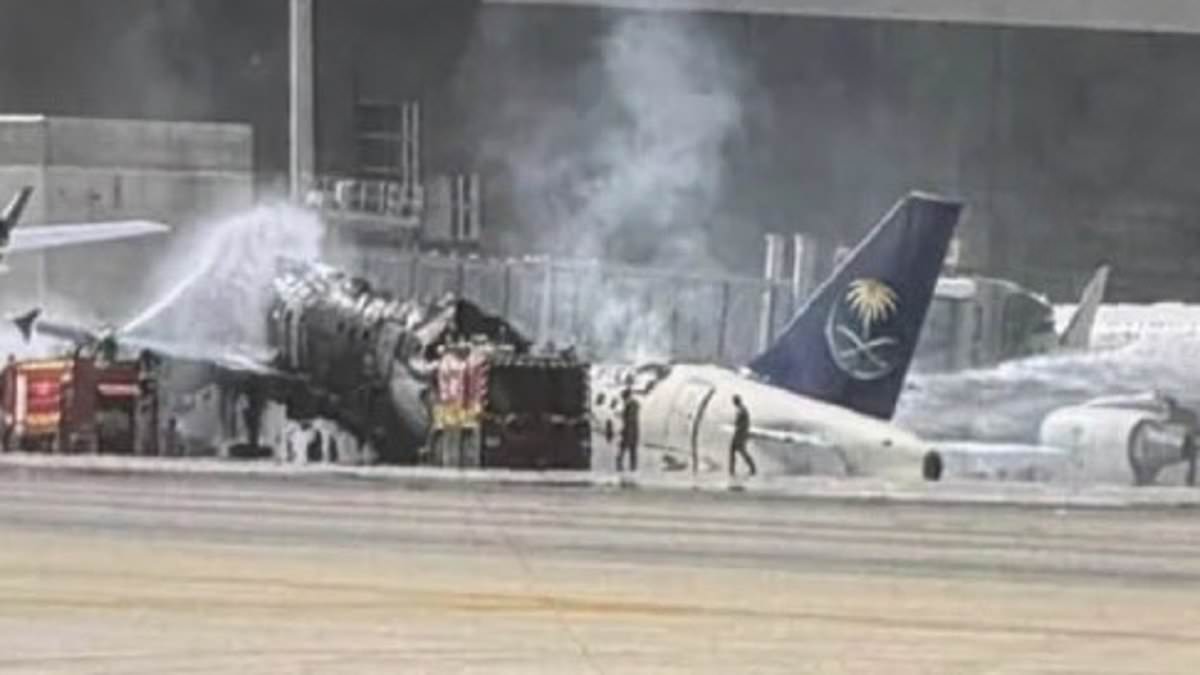
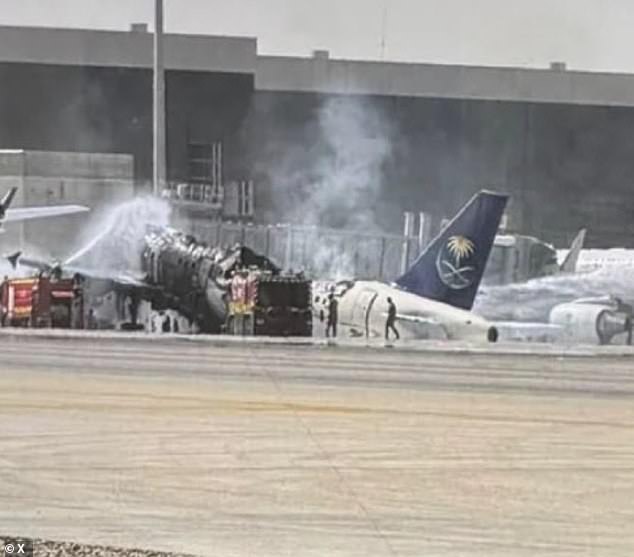
Houthi rebels fired cruise missiles at King Khalid International Airport in Riyadh on Thursday, destroying a passenger jet and killing one pilot. Yemen's Houthis ramped up their assault against Saudi Arabia, aiming to close the kingdom's airspace and hit oil facilities. This wave of violence has already claimed three lives this week alone.
The militant group declared they struck the Riyadh airport while warning workers to stay clear of energy plants that would face similar targeting. Yahya Saree, a military spokesman for the Houthis, confirmed two cruise missiles hit the airport, heavily damaging the plane at the terminal. They also fired ballistic missiles at Najran airport and the Khamis Mushair airbase during this same operation.
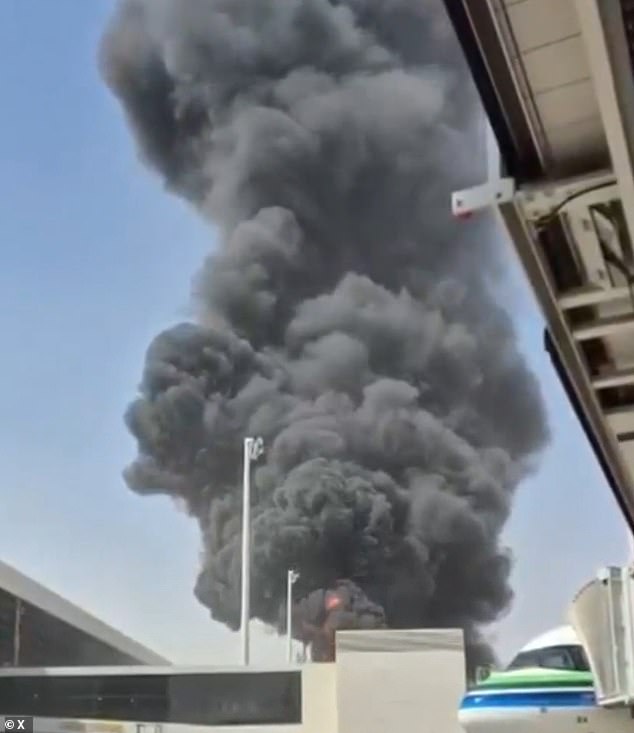
The attack on Thursday ignited fire in a commercial aircraft belonging to Saudia Airlines. The grounded plane sat roughly 20 miles north of the capital and appeared empty when hit. Authorities later confirmed the death of Captain Hamoud Ali Alkalthami, though earlier reports suggested no one was onboard. A thick black column of smoke and flames rose from the airport before firefighters extinguished the blaze.
Lufthansa and Air India have suspended all flights to Riyadh following these attacks. In separate incidents, Saudi officials stated debris from an intercepted missile struck a kindergarten and medical complex in the capital. These strikes come after the reignition of the Yemeni civil war, which started in 2014 when the militant group tried to overthrow the government backed by a Saudi-led coalition.
Houthi rebels claim they are attacking Saudi Arabia for supporting Yemen's government. The Saudis insist they only help the UN-recognized force retake territory. As regional chaos grows, the kingdom asked allies like Turkey and Pakistan for urgent logistical and defensive support. They need to reverse Houthi gains near the strategic Red Sea entrance.
Reports indicate Syria might be weighing military aid, though presidential advisers denied plans to deploy troops. This appeal has gained major urgency after missile and drone strikes on Riyadh and Abha airports killed three people. The Saudi-led coalition intercepted two ballistic missiles heading for Riyadh and a third targeting an airbase in Khamis Mushayt. The group keeps focusing its fire on Saudi airports, causing widespread travel disruption across the region.
By 3pm UK time, nearly half of every flight leaving Riyadh's airport had been grounded according to aviation data firm Cirium. Dozens more cancellations loomed across the entire kingdom as FlightRadar24 confirmed widespread delays for both arrivals and departures at King Khalid International Airport. The facility urged travelers to call their airlines directly before heading out, rather than risking a wasted journey.
This chaos unfolded right before Riyadh was set to host the WPC Energy Congress, a major gathering of energy policy makers this week. Several multinational corporations located in the King Abdullah Financial District ordered staff home for the day after loud booms shook Thursday morning. Five sources familiar with the situation confirmed these actions included some employees who felt the impact firsthand. Certain diplomats received private warnings while local schools told parents to keep children inside. No public alert was ever issued by authorities despite the tension.
The backdrop is a resurgent war in Yemen that has paused only briefly since 2022. The Houthis have seized parts of the Red Sea coast, including the critical Bab el-Mandeb Strait, just last month. Their threats to shipping lanes and attacks on Saudi cities forced the kingdom back into direct conflict. This week, forces backed by Saudi Arabia launched a counterattack and reclaimed some territory around the strait.
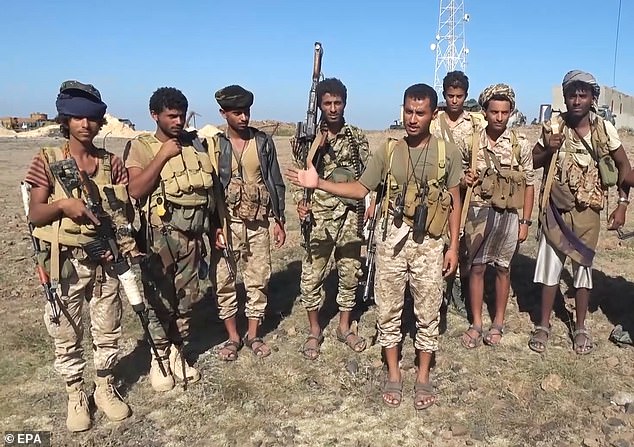
Houthi fighters pressed their advantage in Taiz province on October 8, surrounding Yemen's third-largest city. They took ground along the main mountain road to Aden while fighting against a coalition of Saudi-backed troops under the internationally recognized government. The conflict has created a humanitarian disaster in one of the poorest Arab states, displacing 200,000 people since hostilities resumed again.
One US defense official and one Syrian counterpart said Damascus is weighing military options carefully. They are considering defensive aid to shield Saudi Arabia from Houthi strikes or an offensive push to strike back at the rebels themselves. A diplomat speaking for Syria told reporters that their nation stands firmly with Riyadh but must focus on recovering from its own civil war first.
Turkey, a member of Nato, announced it was sending support mainly in a defensive capacity. A Turkish official said this aid would likely include military equipment, intelligence sharing, and weapons systems to help the kingdom fight back. The situation remains fluid as regional powers scramble to stabilize the borderlands.
Photos