High-risk patient died from treatable clot; simple drug could have saved her
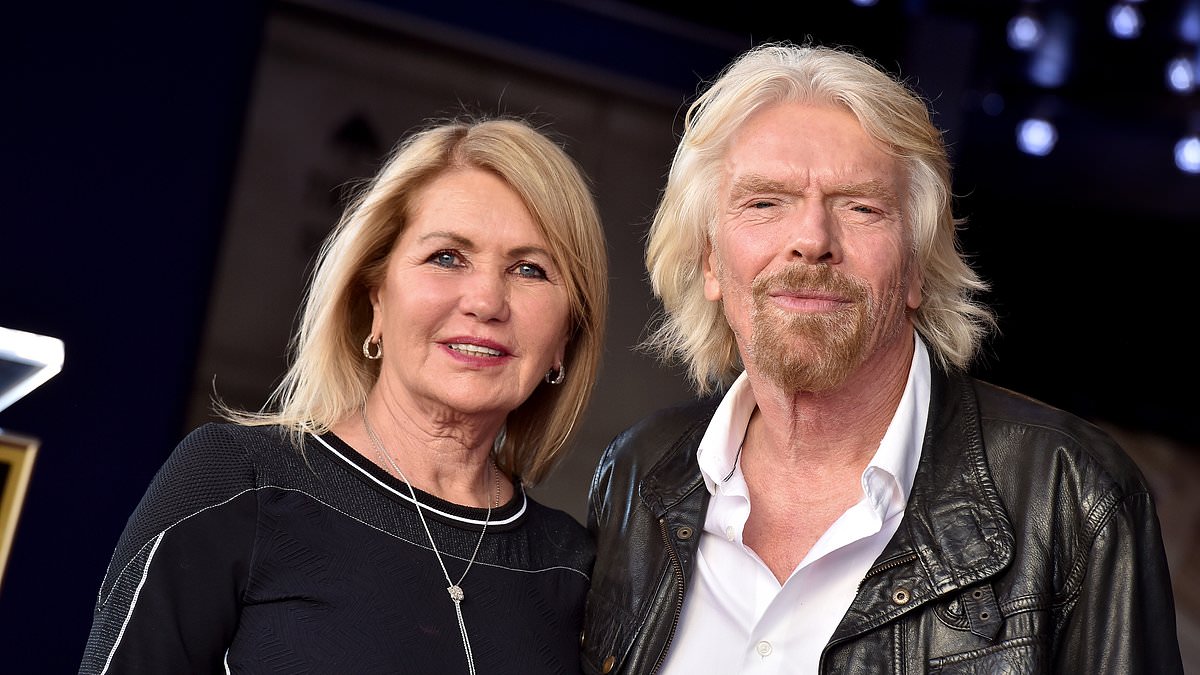
A deadly blood clot is often silent until it strikes, yet the warning signs are there if you know what to look for. This becomes tragically clear after a common problem claimed the life of Richard Branson's wife, Joan. Millions could be walking this same path without realizing the danger.
An inquest has revealed that Lady Joan Branson's death might have been prevented with a single, common medication designed to stop blood clots. The 80-year-old Sir Richard's wife suffered a cardiac arrest on November 24, 2025, triggered by a sudden blockage in her lung. This fatal event was caused by a deep-vein thrombosis (DVT), a life-threatening clot that forms in a vein, typically in the leg.
Lady Branson had been admitted to hospital following fractures to her pelvis and hip after she fell on a private retreat in the Caribbean. Despite having a long history of blood clots and being flagged as 'at very high risk of developing DVT', she did not receive anticoagulants while hospitalized. She was also not given compression stockings during the first 48 hours of her admission. Coroners say these oversights could have cost her life.
The human body forms clots to stop excessive bleeding, but things go wrong when those clots block circulation and travel through the bloodstream. DVT hits about 60,000 people in the UK every year. The danger spikes when a clot moves to the lungs, cutting off oxygen and blood supply, a condition known as a pulmonary embolism.
One in four deaths is linked to blood clots, making DVT a top cause of preventable hospital fatalities and disability. Yet estimates suggest up to a third of cases slip through the cracks because symptoms are mistaken for other issues or vanish entirely. Clots usually form when blood flow slows down during long periods of stillness. Risk jumps sharply with age and medical conditions like cancer. Obesity, smoking, hormone replacement therapy, combined contraceptive pills, high sugar levels from uncontrolled diabetes, and even cholesterol can all damage vessel linings and encourage clotting. Women face significantly higher risks during pregnancy and for six weeks after giving birth.
Long distance travel also raises the stakes, especially on journeys longer than four to six hours by air, car, train, or ferry. Sometimes DVT happens for no obvious reason at all. The NHS lists four red-flag warning signs: throbbing pain in one leg, usually the calf or thigh; swelling; red or darkened skin around the painful spot; and swollen veins. These symptoms can appear in the arm if that is where the clot forms. Rarely, people feel just lower abdominal pain. If you think you have DVT, book an urgent GP appointment or call NHS 111 immediately.
If shortness of breath and chest pain join the mix, it is a medical emergency requiring instant treatment at A&E. There is no magic bullet to prevent DVT, but lifestyle changes can lower the odds significantly. The NHS advises keeping a healthy weight, staying active, standing up every hour, drinking fluids to avoid dehydration, and quitting smoking. Regular travelers on long trips should wear loose clothes, compression socks, and avoid sitting still for too long.
Healthcare teams must check if patients are at high risk. When doctors find this to be true, they can prescribe treatments like rivaroxaban to prevent clots. These blood-thinning medicines usually need to be taken for at least three months to reduce the chance of another clot forming.
These medicines usually arrive in tablet form.
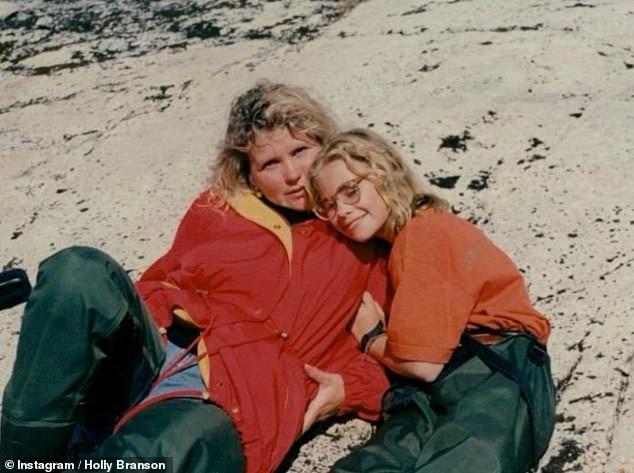
Dr Holly Branson sent an email to the court detailing her mother's long history of blood clots spanning more than ten years. She stated clearly that she would not have refused anticoagulants had they been offered.
The lead doctor on Lady Branson's case, Dr Basir Kunduzi, explained his reasoning during questioning. He chose to delay prescribing the drugs until a CT scan was completed. His goal was to confirm there was no internal bleeding that these medications might worsen.
Yet the inquest heard this decision not to administer anticoagulants would haunt him for the rest of his life. Dr Kunduzi expressed deep condolences to the grieving family.
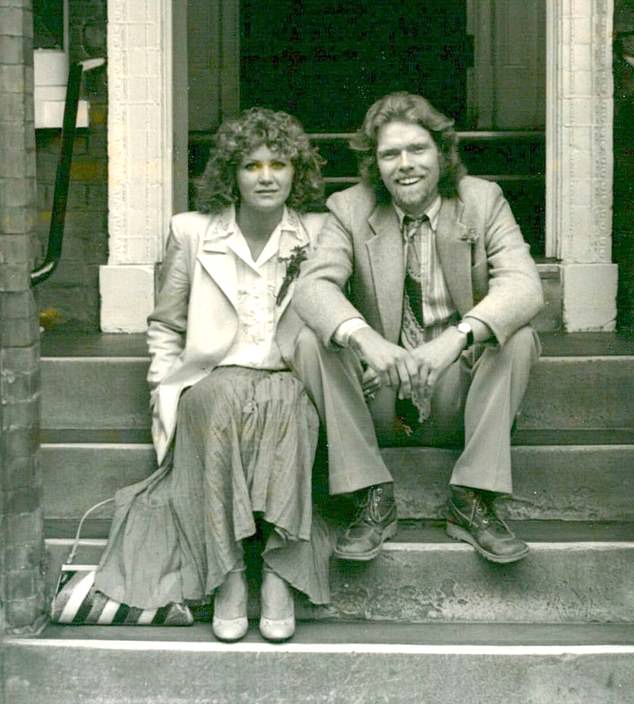
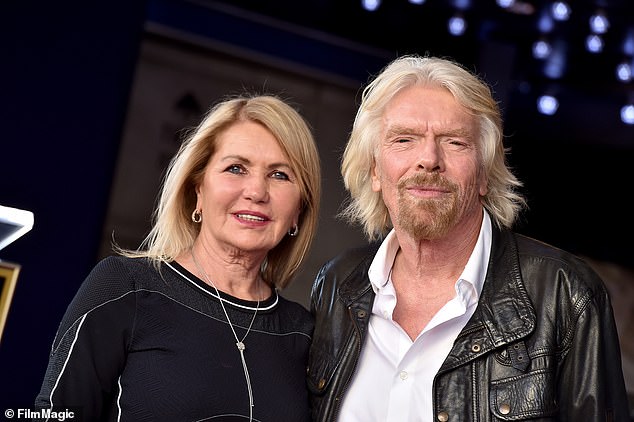
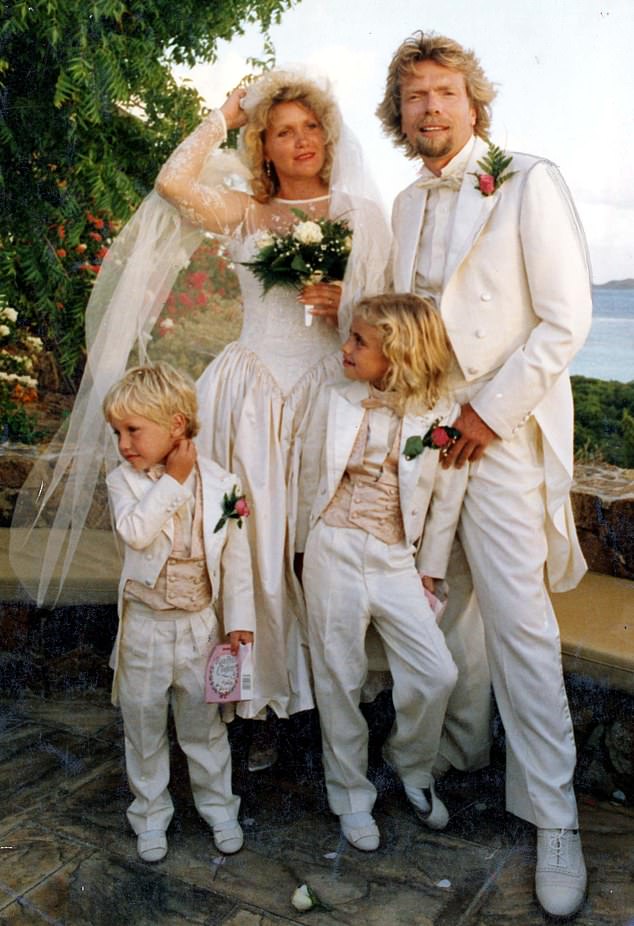
On Instagram, Sir Richard shared a message about his wife. He called her the 'most wonderful mum and grandmum'. His post ended with these words: 'She was my best friend, my rock, my guiding light, my world. Love you forever Joan x.
Photos