Health snack recalled nationwide over salmonella fears in organic powder
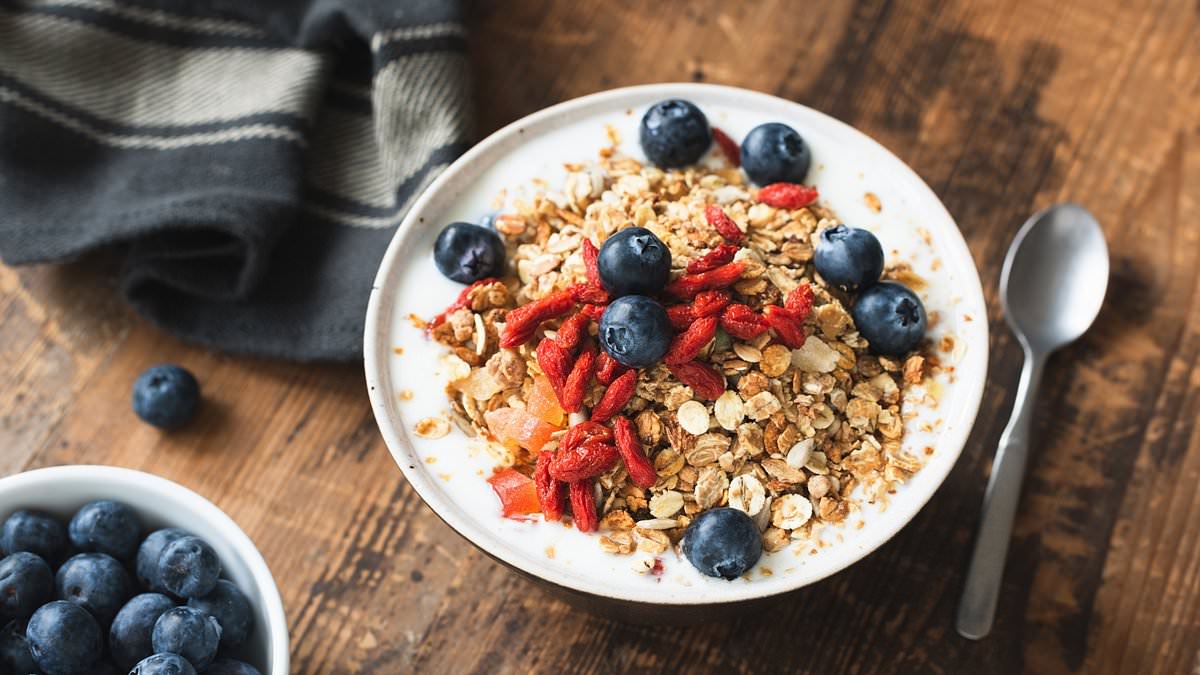
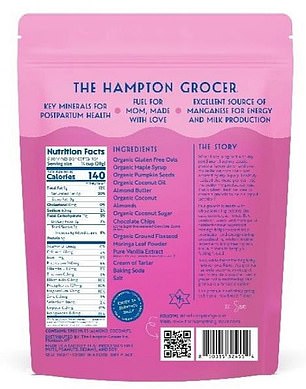
A beloved health snack found on shelves across the country is facing a sudden recall after fears it might carry deadly bacteria. The Hampton Grocer, Inc., which operates out of Montauk in New York's celebrity-frequented Hamptons, has pulled its Lacnola Lactation Granola from the market. These specific 8-ounce bags are being withdrawn because an ingredient used inside could be tainted with salmonella, a germ capable of triggering life-threatening sickness.
The trouble started when one of the supplier's components triggered its own separate safety alert. That component is organic moringa powder provided by Food to Live. The warning covers every batch of Lacnola sold or distributed starting October 23, 2025. Consumers who bought these items online through the company site or major platforms like Amazon need to be careful now.
The Hampton Grocer shared details on its Instagram page regarding the situation. They stated that neither the granola nor the specific batch of moringa powder has tested positive for Salmonella yet. No illnesses have been reported linked to either Lacnola or the recalled Food to Live products so far. The company says they are acting out of an abundance of caution and immediately stopped selling the item across all platforms as soon as they were notified.
This recall targets only the granola made by The Hampton Grocer, Inc. No other products from this manufacturer are affected. The bags in question carry expiration dates ranging from October 21, 2026 to February 13, 2027. Families relying on these snacks for nutrition must check their cabinets and dispose of any matching lots quickly. While the risk remains theoretical right now, the potential impact on community health is too serious to ignore.
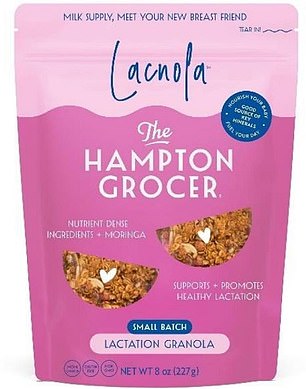
Two specific lots of granola sit under immediate scrutiny: HGLC-102125 and HGLC-021326. The universal product code matches at 850035324554. Anyone holding this item must stop eating it right now and ask The Hampton Grocer for a full refund before throwing the package away.
This warning follows a broader alert from Food To Live earlier this month. The company pulled moringa powder and several other items after the FDA found Salmonella in a sample of their Organic Supergreens Mix. Authorities have not yet confirmed exactly where the contamination started inside the factory.
The bacteria poses a real threat, especially to children under five, adults over 65, and those with weakened immune systems. Symptoms like diarrhea, fever, stomach cramps, and dehydration need medical attention fast. The CDC tracks about 1.35 million infections yearly in the US alone, leading to roughly 26,500 hospitalizations and 420 deaths.
Most cases end with rest and hydration, but Salmonella is a tough pathogen that survives stomach acid and invades intestinal cells easily. In severe instances, the infection spreads beyond the gut into the bloodstream, creating bacteremia. This allows bacteria to travel everywhere, causing secondary infections like endocarditis in heart valves, osteomyelitis in bones, meningitis around the brain, or septic arthritis in joints. These invasive forms require urgent antibiotic treatment, often delivered intravenously in a hospital.
Long-term damage can linger even after the acute illness fades. Some patients develop reactive arthritis with joint pain and eye inflammation that lasts months or years. Others suffer from post-infectious irritable bowel syndrome due to harm done to their intestinal lining during the initial sickness. Salmonella itself is incredibly resilient, surviving on surfaces for weeks and resisting many environmental stresses that try to kill it. Since contaminated food often looks, smells, and tastes perfectly normal, removing these products from the supply chain before they reach consumers remains the only effective protection strategy.
Photos