Gut Microbiome Found to Transfer Alzheimer's Symptoms in Groundbreaking Study

The connection between the gut microbiome and Alzheimer's disease is no longer a fringe theory—it's a rapidly evolving area of research with profound implications for public health. Recent studies from Ireland, England, and Italy have provided groundbreaking evidence that Alzheimer's symptoms can be transferred to healthy young organisms through gut microbiota. This revelation underscores a causal relationship between gut health and neurodegenerative disease, a link that experts have long suspected but now have mounting data to support. Such findings are not merely academic; they challenge the traditional understanding of Alzheimer's as a purely brain-based disorder and open new avenues for prevention and treatment.
The evidence builds on earlier research, including a 2022 study by King's College London, which analyzed blood and stool samples from 68 individuals with Alzheimer's and 68 without dementia. The results revealed a distinct 'Alzheimer's gut' characterized by elevated inflammation markers. This aligns with prior findings that the gut microbiomes of people with preclinical Alzheimer's—marked by altered amyloid and tau proteins—differ significantly from healthy individuals. Further experiments in rats showed that stool transplants from Alzheimer's patients hindered nerve cell growth, while early trials suggested that blood from Alzheimer's patients disrupts brain stem cell development. These findings point to a troubling conclusion: inflammation linked to gut metabolites may directly impact brain health, raising urgent questions about dietary interventions.
Dr. Partha Nandi, a leading gastroenterologist and author of *Heal Your Gut, Save Your Brain*, has long emphasized the role of nutrition in combating Alzheimer's. His observations span decades of clinical practice, where he has seen patients consume the standard Western diet for years and still develop the disease. However, global comparisons reveal a striking contrast. In northern India, where traditional diets rich in turmeric were once the norm, Alzheimer's prevalence was once below 1% in those over 55—far lower than global averages. This anomaly has fueled interest in culturally distinct diets and their potential protective effects against neurodegeneration.
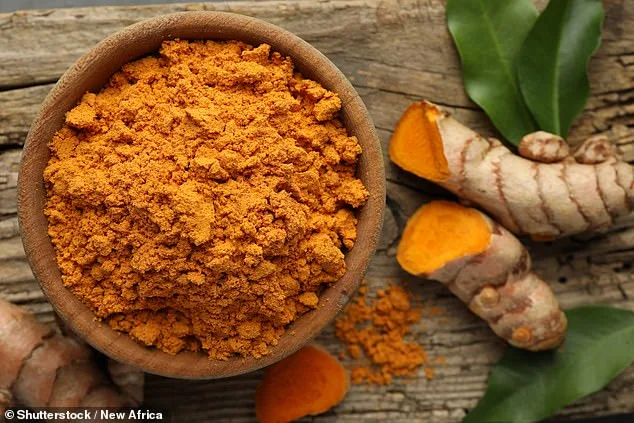
Turmeric, the golden spice central to Indian cuisine, has emerged as a critical player in this narrative. Its active compound, curcumin, is a potent anti-inflammatory agent with the added benefit of improving intestinal barrier function and reducing intestinal permeability, or 'leaky gut.' Dr. Nandi highlights that curcumin works synergistically with the gut microbiome to dampen systemic inflammation, a key driver in Alzheimer's progression. Despite initial hesitance from patients, he notes that turmeric's mild flavor and versatility make it an accessible addition to daily meals, from scrambled eggs to smoothies. When combined with fats and black pepper, its bioavailability increases, enhancing its efficacy as a natural neuroprotector.
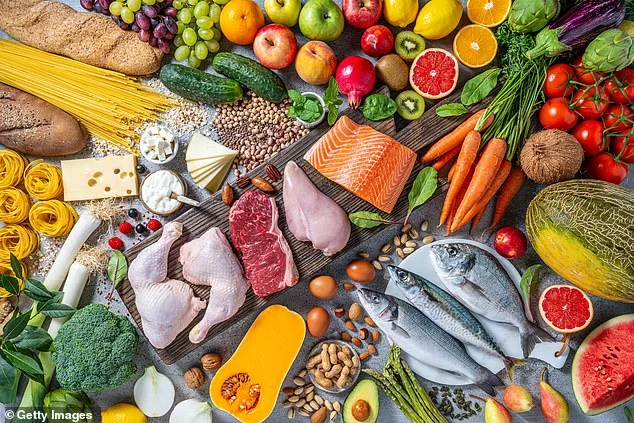
While turmeric is a powerful tool, Dr. Nandi argues that no single dietary change is sufficient to combat Alzheimer's. Instead, he advocates for a holistic approach, with the Mediterranean diet forming the cornerstone of his recommendations. Rooted in the culinary traditions of Greece and Italy, this diet emphasizes whole foods, including extra-virgin olive oil, leafy greens, legumes, nuts, and moderate consumption of oily fish. It prioritizes minimally processed foods, avoiding refined sugars, hydrogenated oils, and processed meats. By incorporating anti-inflammatory powerhouses like avocados, green tea, and fermented foods, patients can further support gut-brain communication and reduce systemic inflammation.
Dr. Nandi's advice extends beyond ingredients—it's a call for a lifelong commitment to dietary habits that prioritize health over convenience. He urges patients to avoid alcohol, excessive sugar, and highly processed foods, emphasizing the role of fiber-rich foods like psyllium husks and probiotic-rich options like yogurt. This tailored approach not only targets Alzheimer's prevention but also addresses broader public health concerns, such as the rising tide of metabolic syndrome and cardiovascular disease. As research continues to illuminate the gut-brain axis, the message is clear: what we eat today may shape our cognitive health tomorrow.

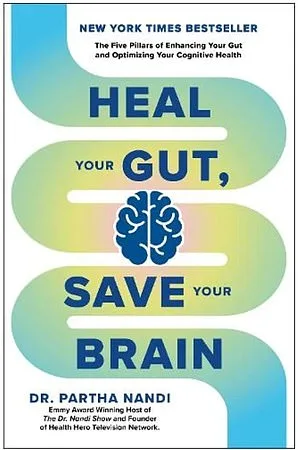
*Heal Your Gut, Save Your Brain* by Dr. Partha Nandi is published by Short Books (RRP £18.99). The book offers a comprehensive guide to harnessing the power of nutrition for brain health, blending clinical insights with actionable advice for readers seeking to protect their cognitive future.
Photos