GOP members distance themselves from Trump as midterms approach
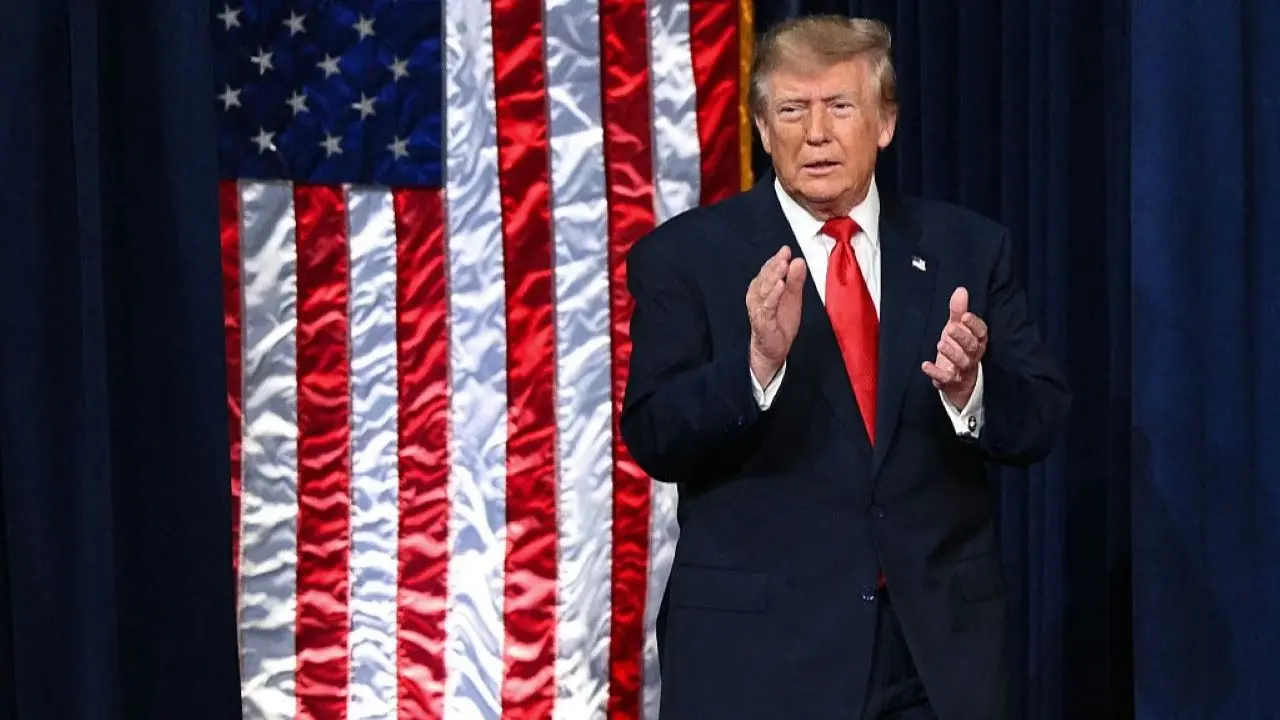
With Election Day just three weeks away, a distinct split is forming within the Republican Party as members distance themselves from President Donald Trump in an effort to hold onto congressional power. The stakes are high; voters will soon decide who controls Congress for the final stretch of Trump's term while the party grapples with serious political headwinds. Veteran GOP strategist Doug Heye told Fox News Digital that walking away from Trump at this specific moment was never a surprise to him.
"It happens in midterms when presidents aren't popular," Heye said, noting how public sentiment shifts during those elections. He added that the situation is worse now because of the more outlandish things he's done, often on issues unrelated to lowering costs or ending the war with Iran, etc., this was bound to happen. The scene mirrors what occurred in previous midterm years, most recently with former President Joe Biden in 2022.
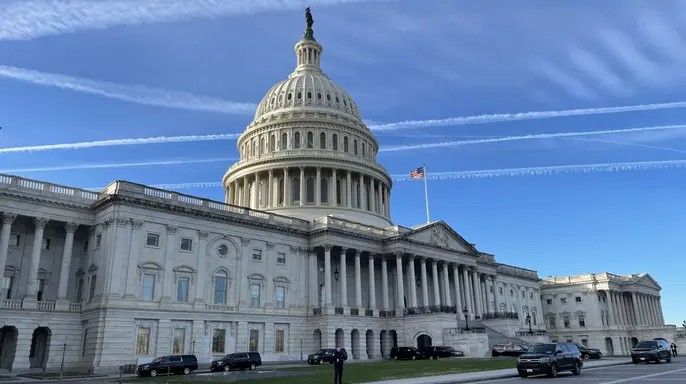
The Republican National Committee argues the party stands united behind Trump despite the cracks showing up online and in ads. They concede that individual candidates must focus on their own districts but insist the core mission remains intact. "Unlike the Democrats who are in a full-blown civil war with extremists, Republicans remain united behind the president's agenda of cutting taxes, lowering drug costs and securing our communities," RNC spokeswoman Natalie Baldessarre said. "We are laser-focused on winning, and our candidates will run the races necessary to best represent their districts and prevent Democrats from taking control."
Running their own campaigns allows several figures to balance individuality with support for Trump and the GOP base. At least two House Republicans have made conflict with Trump a central theme in their advertisements. Representative Jen Kiggans of Virginia ran a new ad touting herself as one of the most bipartisan members of Congress who has taken on her own party to protect jobs, and working with Democrats to save healthcare. One visual referenced a news article that said, "Kiggans bucks Trump on offshore wind."
Meanwhile, Mike Lawler of New York recently released an advertisement in which he highlighted taking on both sides, followed by a clip of Trump calling him a pain in the a-- on state and local tax deduction issues. But for many, like Lawler, it's a balancing act of trying to keep Trump and the GOP base happy while courting independent voters who might otherwise swing the election.
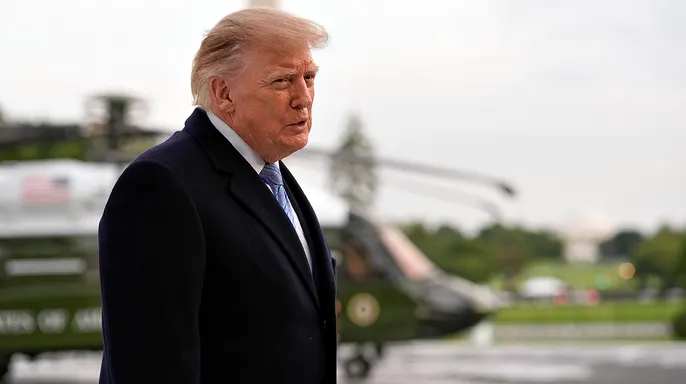
White House spokesperson Davis Ingle defended the president strongly. "No one can dispute the fact that President Trump has created one of the most robust coalitions in political history with the MAGA movement, and the president understands how to communicate with them," Ingle told Fox News Digital. "President Trump is the unequivocal leader, best messenger and unmatched motivator for the Republican Party, and he is committed to maintaining Republican majorities in Congress."
Ingle continued by listing recent achievements. "The president signed the largest working-class tax cuts in history, lowered the cost of prescription drugs, sealed the border, drove violent crime to the lowest level in nearly a century, unleashed an energy revolution, added more than a million private-sector jobs and sent Americans' 401(k)s climbing to record highs." He concluded that the choice has never been more clear: doubling down on President Trump's winning, commonsense agenda or the Democrats' extreme liberal policies and obstruction.
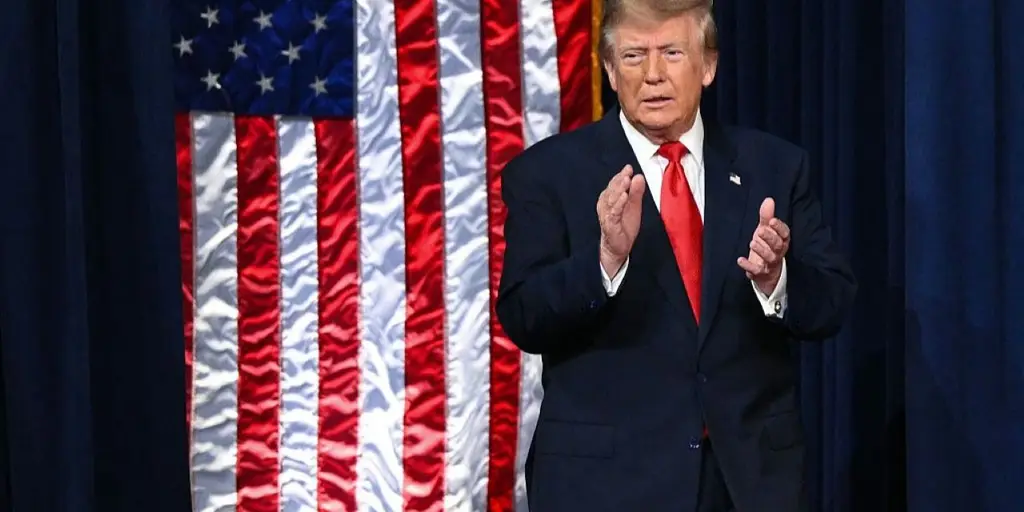
Still, the political tightrope was on full display when Lawler appeared on stage at Trump's midterm convention in September, where he noted he and the president didn't always agree. He told Fox News Digital at the event that he fundamentally believes if you want to get things done, you have to be able to work with whoever the president is. This dynamic suggests a fragile alliance where loyalty is tested constantly against practical political survival. The risk of losing key districts looms large as candidates walk this line carefully.
Former Rep. Mike Rogers, a Republican from Michigan, and Sen. John Husted, also a Republican from Ohio, recently showed up at Donald Trump's convention in Dallas. They now say they have walked away from him on major points to prove there is real distance between them and the president. One big issue involves Iran. These lawmakers want the war to stop. Trump posted on Truth Social right after the midterms that communities should not fear data centers unless they prefer staying poor and behind. Yet many Republicans on the trail see a problem with these giant, windowless buildings. They feel it looks bad for voters. Figures like Husted and Rogers do not think the federal government must control everything here.
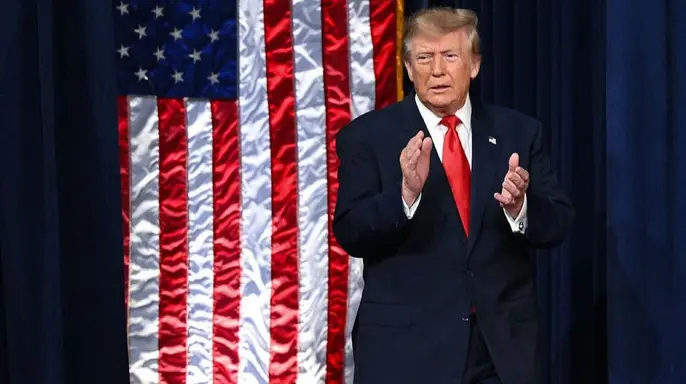
Rogers told Fox News Digital during the event that a pause is needed until voters get answers to their questions. He warned that if Washington can ban data centers, it could also force everyone to build them. Another lawmaker facing tough re-election is Rep. Tom Barrett from Michigan. He insists local towns should decide about these facilities in their own backyards. Barrett noted on Fox News' "The Big Weekend Show" that corporations often hide plans behind non-disclosure agreements before locals even know they are coming. This tricks the public and breaks trust with city officials.
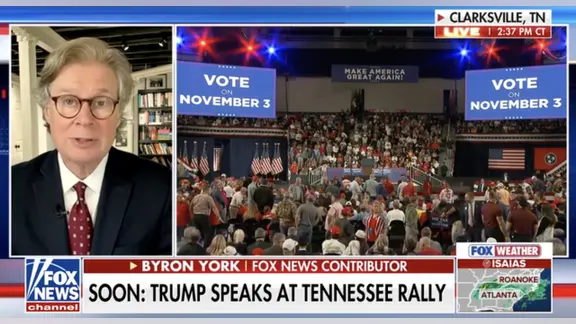
Barrett also joined a small group of House Republicans who have voted against U.S. military action in Iran without Congress saying yes. The conflict in the Middle East has drawn more GOP opposition as time goes on, shown by rising numbers of Republicans supporting Democratic war power resolutions. Rep. Marianette Miller-Meeks from Iowa previously sided with her party until last month's vote in mid-September. Rep. Max Miller from Ohio said he wants an end to this conflict quickly during a recent interview. He called Trump's attempt to stop nuclear danger beautiful but argued no one can trust the Iranians right now.
Miller faces shaky re-election odds due to domestic abuse claims involving his ex-wife and former father-in-law. Despite these troubles, he did appear at Trump's rally in Youngstown, Ohio. Trump's idea to import beef from other countries has faced resistance too. Vulnerable Republicans like Miller-Meeks and Rep. Zach Nunn from Iowa are pushing back on this plan. Nunn introduced a bipartisan bill last month asking the government to pause the imports while figuring out how to grow domestic cattle herds. Some candidates go further still by not mentioning Trump at all on their websites. Rep. Tom Kean from New Jersey does not list the president anywhere on his site. His page highlights him as an independent leader standing up for what is right in New Jersey with very few references to national party figures. A White House official claimed that Republicans distancing themselves from Trump cannot be further from the truth because he remains the clear leader of their party.
Photos