Golden Gate Bridge Begins Massive Seismic Upgrade Against Quake Threat
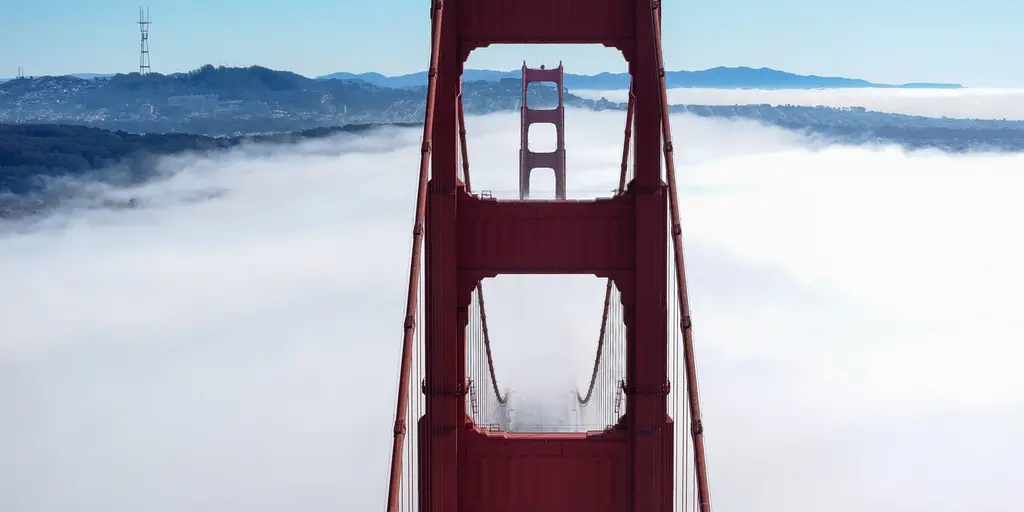
The Golden Gate Bridge is getting its biggest seismic upgrade ever, marking the final chapter in a decades-long battle against California's earthquake threat. More than thirty years after engineers first studied how the 1989 Loma Prieta quake exposed structural weaknesses, this billion-dollar project finally enters its most critical construction phase. The goal remains clear: limit shaking damage and keep the iconic span open for emergency response if disaster strikes.
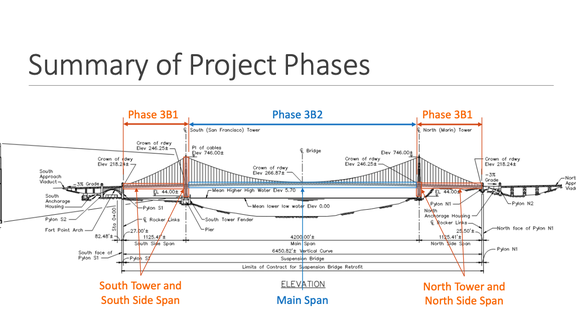
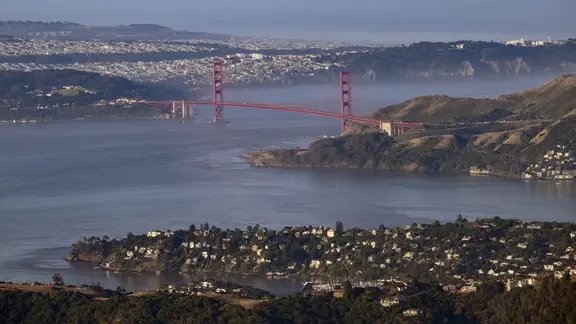
Crews are now installing temporary platforms beneath the roadway while they reinforce the massive towers and side spans that hold up the crossing. This work connects San Francisco with Marin County, serving as a lifeline for nearly 40 million vehicles every year. The structure sits dangerously between two major fault lines: the San Andreas Fault roughly seven miles west and the Hayward Fault about ten miles east, not to mention several other active fractures beneath the Bay Area.
The U.S. Geological Survey warned back in 2014 that there is a seventy-two percent chance of at least one magnitude six-seven earthquake hitting the region before 2043. A quake strong enough to cause widespread destruction would test every bolt and cable engineers have added over the last generation. The new design specifically targets an eight-three-magnitude event centered on the San Andreas Fault, pushing the bridge's resilience far beyond previous standards.
The Golden Gate Bridge District started this retrofit program in 1996 right after the devastating Loma Prieta earthquake hit the Bay Area. That disaster forced officials to acknowledge the reality of seismic vulnerability and establish a long-term plan for reinforcement. Now, thirty years later, that original plan is finally reaching its conclusion with an investment exceeding one billion dollars to secure the structure against future tremors.
Overnight lane closures began last October as construction officially kicked off this year. This schedule disruption allows teams to work safely without interfering too much with daily traffic flow. The project team aims to complete these final upgrades before the next major seismic event, ensuring the bridge remains a vital connection even when the ground shakes violently beneath it.
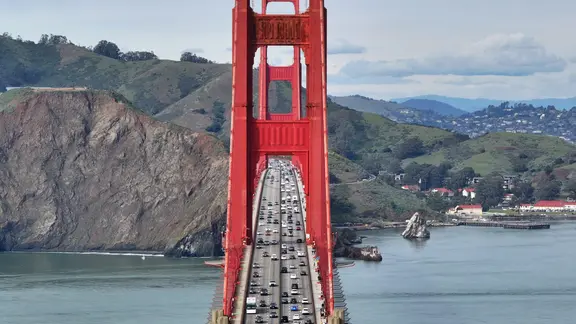
Construction on the final phase began this year with work focused on the towers and side spans. The bridge remains open in both directions throughout this process, ensuring at least one lane operates each way. District officials say the ultimate goal is to withstand a magnitude 8.3 earthquake centered on the San Andreas Fault. This specific size represents the maximum credible threat for the region.
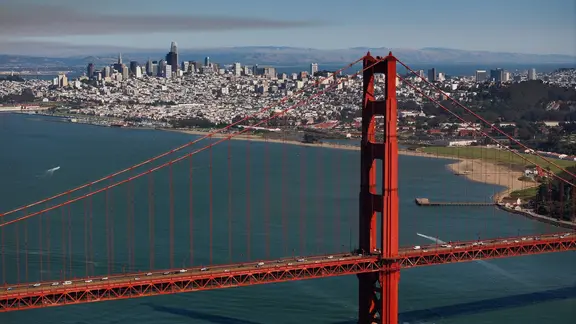
The retrofit aims to limit structural damage and keep the bridge running after a major quake. Before this program started, district studies warned that an event of magnitude 7.0 or greater near the span could cause severe harm. Such damage would likely force an extended closure. Now, the final phase will strengthen the main suspension span, two side spans, both towers, and the south tower pier. Roadway floor beams, trusses, and lateral bracing are getting reinforced too. Energy-dissipation devices are being installed as well.
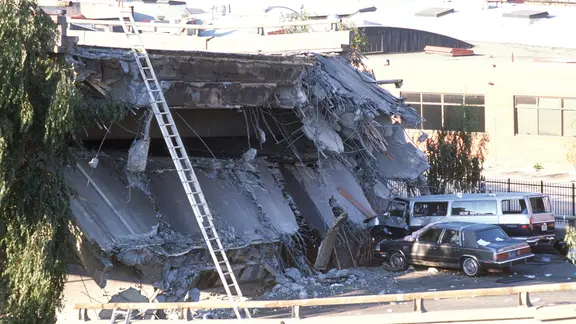
Major quakes have devastated the region before. On Oct. 17, 1989, a magnitude 6.9 earthquake struck Loma Prieta. That disaster resulted in 68 deaths, at least 3,700 injuries, and an estimated loss of $6 billion to $7 billion. The numbers show how vulnerable the San Francisco area was back then. Although the Golden Gate Bridge itself wasn't impacted by that specific event, it became a catalyst for extensive seismic work on the vital roadway.
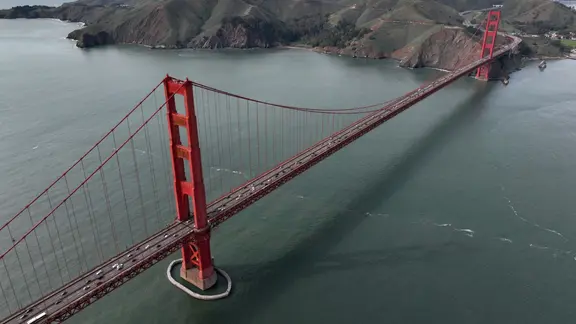
The official timeline shows the first three phases completed between 1997 and 2014. Those earlier efforts strengthened approach structures, Fort Point Arch, and the north anchorage. The full retrofit, including upgrades to the main suspension span, is expected to finish around 2036. If a powerful quake strikes along the nearby fault system soon, these upgrades will be critical. They serve as a lifeline connection for emergency responders, commuters, and freight alike.
Photos