Gillian Owens, Nicola Sturgeon's Sister, Opens Up About Harrowing Two-Year Battle With Co-Codamol Addiction

Gillian Owens, 50, the younger sister of former First Minister Nicola Sturgeon, has opened up about her harrowing two-year battle with co-codamol addiction following a whiplash injury from a fairground ride in 2012. The incident, which she described as "throwing her neck out," led to a prescription for the powerful painkiller, a decision that spiraled into a life-altering dependency. "It ruined my life for two years," Owens said in a recent TikTok video, her voice trembling with emotion. "I have terrible guilt and I carry it every day."
The medication, a combination of codeine and paracetamol, was initially intended to alleviate pain from her injury. But as her marriage collapsed and she navigated a volatile new relationship, Owens found herself relying on the pills to cope with stress, sleeplessness, and emotional turmoil. "I started taking them when I needed them," she explained. "At first, maybe six a day. But by the time my marriage ended, I was vulnerable and in a very stressful situation."
Within four months, her usage escalated dramatically. "I was taking 12 pills every night," she admitted. For two years, her GP continued to prescribe 100 tablets every fortnight, a practice that left her in a precarious position. "I panicked if I ran out," she said. "I begged and borrowed from friends because my prescription was never enough." The pills, she claimed, became her only solace. "They helped the stress levels. I felt like I could cope. But eventually, I didn't need them during the day—only at night. And even then, two wasn't enough."

Co-codamol, a medication often prescribed for severe pain when over-the-counter drugs fail, carries significant risks. Codeine, an opioid, is inherently addictive, while paracetamol can cause liver and kidney damage in high doses. Jan Gerber, founder of the Swiss rehab clinic Paracelus Recovery, has warned that codeine's psychological effects can be as compelling as its pain-relieving properties. "The warm fuzzy feeling becomes the primary reward," he told the *Daily Mail*. "It calms you down, improves sleep, lessens anxiety. For people in a bad place, that effect is like 'wow, my God, that feels amazing.'"
Owens described her experience with similar intensity. "I got high basically," she said. "That's how I felt." Her addiction worsened when she began taking antidepressants and diazepam, creating a dangerous cocktail of medications. "All I thought about every day was getting to my bed to have co-codamol," she said. "I hated the world. I just craved them and knew I couldn't live without them."
The toll on her family was profound. "I could have ended up dead," she said, her voice breaking. "Either from taking something stronger or losing my family." She now reflects on the possibility of becoming addicted to even harder opiates. "I was on a path that could have been worse," she admitted. "But I'm lucky I didn't go there."

Owens' story has sparked conversations about the risks of long-term opioid prescriptions, particularly for patients dealing with emotional or psychological distress. Her GP, who prescribed the medication for years, has not publicly commented on the case. Meanwhile, Owens is advocating for greater awareness about the dangers of co-codamol and the need for better support systems for those struggling with addiction. "I want people to know this can happen to anyone," she said. "It doesn't matter who you are—this is a real, life-threatening problem."
Her journey has also highlighted the complex interplay between physical pain, mental health, and medication dependency. "The pills weren't just for my neck," she explained. "They were for everything else too. The stress, the loneliness, the fear. It's not just about the injury—it's about the whole person."
As she rebuilds her life, Owens is focused on preventing others from making the same mistakes. "I'm not saying co-codamol is bad," she said. "But it needs to be used with caution. If you're in a vulnerable place, it can take over. And once it does, it's hard to get back."
Her words serve as a stark reminder of the fine line between pain relief and dependency—a line that, for many, can blur in an instant.
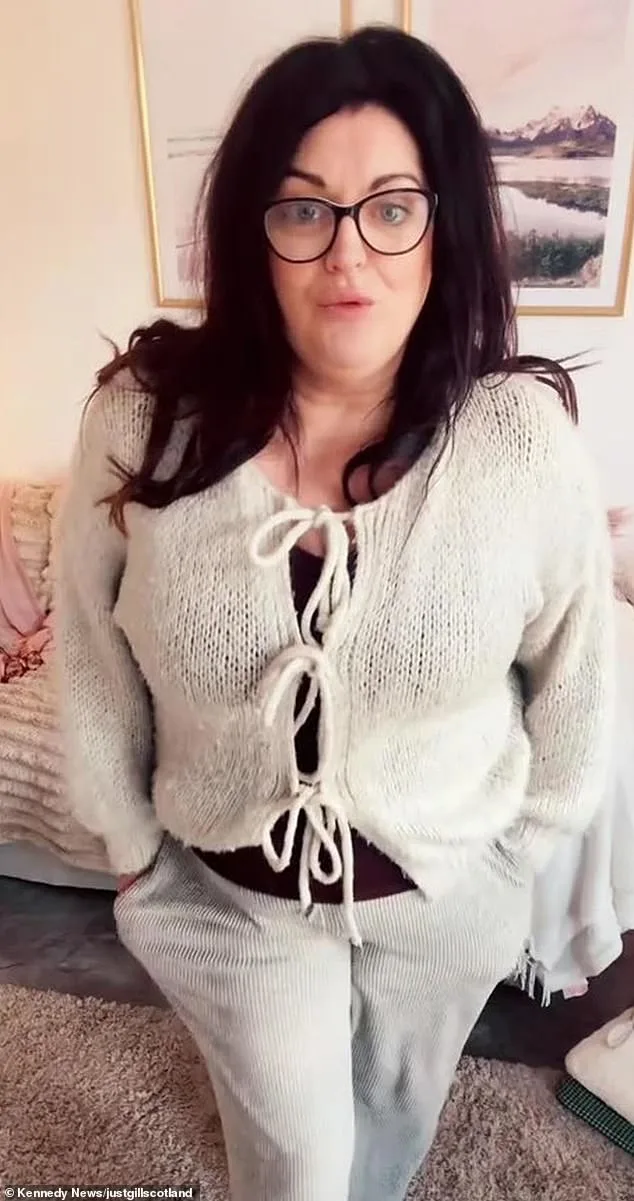
Ms. Owens' journey through addiction to co-codamol is a stark reminder of how quickly dependency can spiral out of control. She describes a two-year period marked by a growing reliance on the medication, a dependency that she now believes could have escalated into something far more severe had she continued. "If I'd been longer, I probably would've struggled more to come off them," she admits, a sentiment that underscores the precarious line between medical necessity and dependency. Her decision to quit cold turkey—despite knowing the risks—was a desperate attempt to reclaim her life, a choice she now regrets. "It was horrendous," she recalls, detailing the physical and psychological toll of withdrawal. Yet, this raw honesty is what makes her story both compelling and alarming. How many others, she wonders, have faced similar crossroads without the courage or support to seek help?
The signs of her struggle were not subtle. Colleagues at the hospital where she worked began questioning her performance, noting her frequent absences and disheveled state. At home, her family watched as she "slept the days away," neglecting responsibilities that once came naturally. "I took blood samples and I probably did less work than I normally would," she admits, her voice tinged with regret. The toll on her mind was just as severe: short-term memory loss, brain fog, and a sense of detachment from the life she once knew. Even basic tasks—cooking dinner, cleaning the house—became insurmountable hurdles. How, she asks, could someone who once thrived in a high-pressure environment like healthcare fall so far? The answer, she suggests, lies in the easy access to prescription drugs and the lack of oversight in their use.
Her decision to quit cold turkey was not made lightly, but it was driven by a moment of clarity. A concerned family member pushed her to confront the reality of her dependency, and she chose to sever the connection abruptly rather than follow a structured programme. "I just went cold turkey," she says, reflecting on the absence of medical guidance that left her vulnerable. The withdrawal, she explains, was a brutal awakening—exactly what experts warn against. Yet, in the aftermath, she found a strange sense of freedom. "I'm in control of my life way more now than I ever was," she says, a sentiment that highlights both the pain of recovery and the empowerment that comes with it. But how many others, she wonders, might have faced the same crisis without the support to navigate it safely?
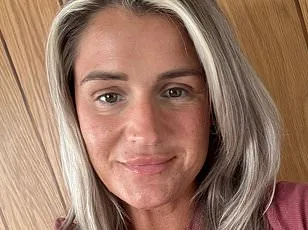
Ms. Owens' story took a public turn when she shared her experience on TikTok, where her video titled "my addiction almost lost me everyone" amassed over 25,000 views. The raw vulnerability of her confession—admitting she could have died or lost everything—resonated deeply with others in similar situations. Her message was clear: seek help, follow a programme, and never attempt to quit alone. "I always say go to your GP," she insists, a plea that cuts through the stigma often associated with addiction. Yet, even as she advocates for structured recovery, she acknowledges the fear that comes with the Department of Health's announcement of a co-codamol shortage. Would that scarcity, she asks, be a blessing in disguise—or a nightmare for those still clinging to the drug?
The broader implications of her story are impossible to ignore. Ms. Owens' experience is not unique, and her anger at the accessibility of prescription drugs reflects a growing concern among experts. "Many drug addicts start off with prescription drugs," she says, a statement that echoes warnings from public health officials about the slippery slope from medical use to dependency. The shortage, while potentially beneficial in pushing users to seek help, also raises fears about the chaos that could follow for those unprepared to face withdrawal without support. In a world where addiction often begins with a prescription, how can society better balance pain management with the risks of dependency? And what does it say about a system that allows such drugs to be so readily available, yet so poorly monitored?
For Ms. Owens, the journey has been one of survival and transformation. From a hospital worker struggling with memory loss to a spiritual life coach who speaks openly about her past, she now sees her experience as a chance to help others avoid the same pitfalls. Yet, her words are laced with a quiet urgency: reach out, seek guidance, and never let fear dictate your choices. In a world where addiction is often shrouded in silence, her voice is a beacon—though whether it will be enough to change the system remains to be seen.
Photos