Georgia Governor Suspends Fuel Tax Amid Rising Prices
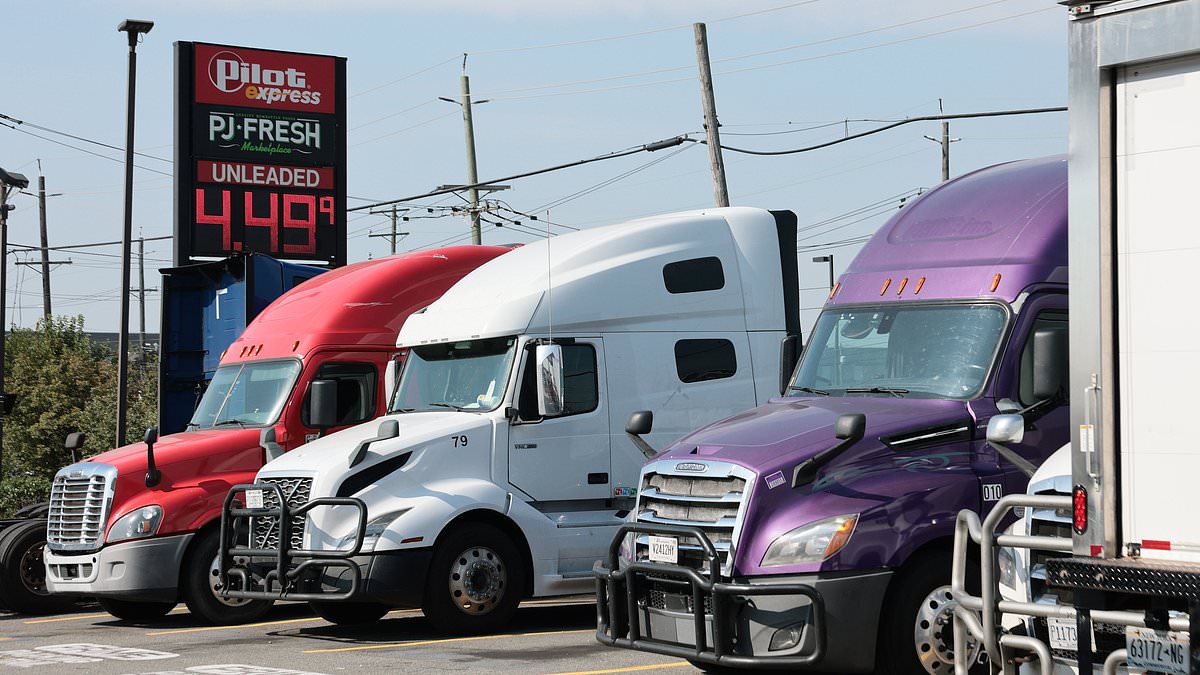
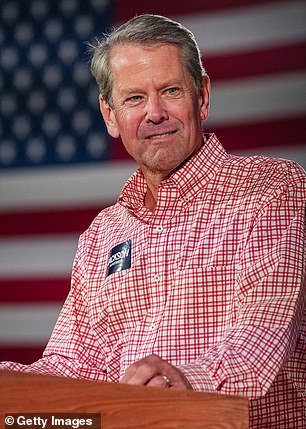
Republican Governor Brian Kemp has declared a state of emergency for Georgia. His move comes as fuel costs climb toward stratospheric levels, a situation he blames on global market volatility, including the war with Iran. Late Monday, Kemp signed an executive order to temporarily suspend the Peach State's motor fuel excise tax. He wants this relief to help citizens pay for the money they are losing at the pump.
Kemp is no friend of Donald Trump. The President expressed fury in 2020 over how Georgia certified Joe Biden's election victory. Yet Kemp says his goal here is simple: provide relief from skyrocketing prices for gas and diesel. Even though Kemp will not face voters this year, the political stakes remain high. Georgia Republicans are trying to hold onto the governorship in November while trailing consistently in state US Senate contests.
The numbers show just how much a drop in tax can help. According to the governor's office, suspending the tax saves drivers 33 cents per gallon on regular gasoline and 37 cents per gallon on diesel. The order also lifts weight limits on commercial vehicles. Kemp argues this will lower costs for everyday goods, from the produce in grocery store shelves to other essentials.
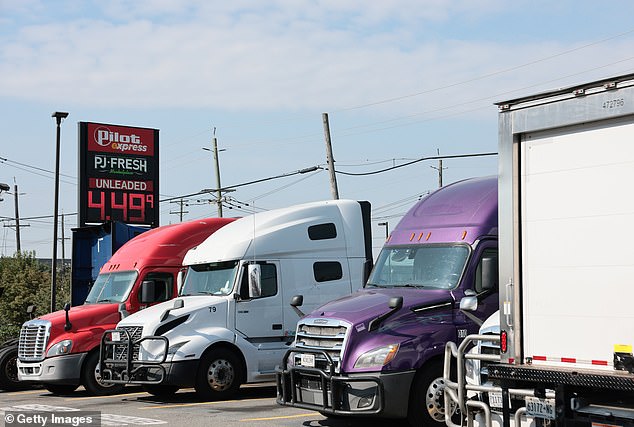
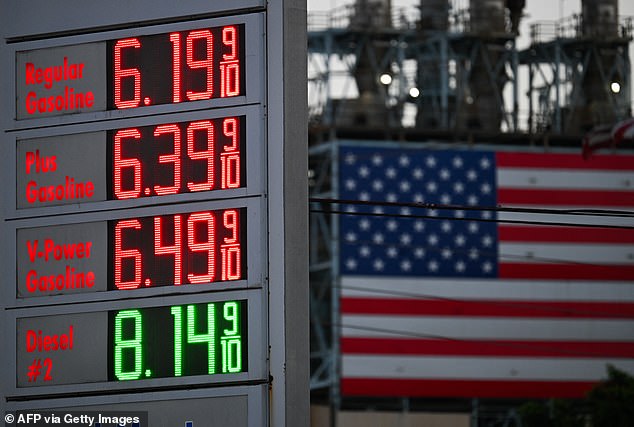
Right now, a gallon of regular gas averages $4.19 in Georgia. Diesel runs even steeper at $6.24 per gallon. Compare that to just one year ago. A year back, regular gas was $2.87 and diesel sat at $3.54. That is a massive jump for families filling up their cars.
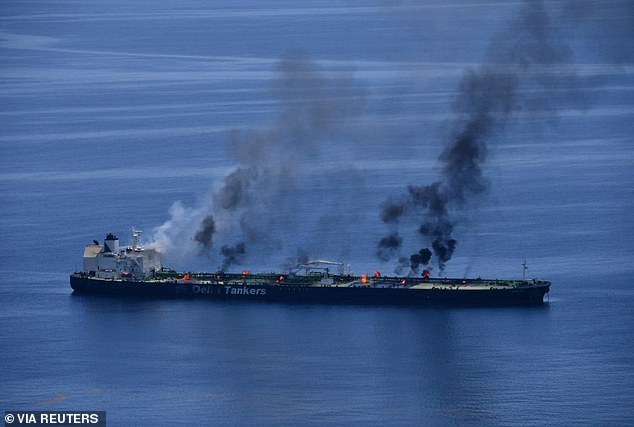
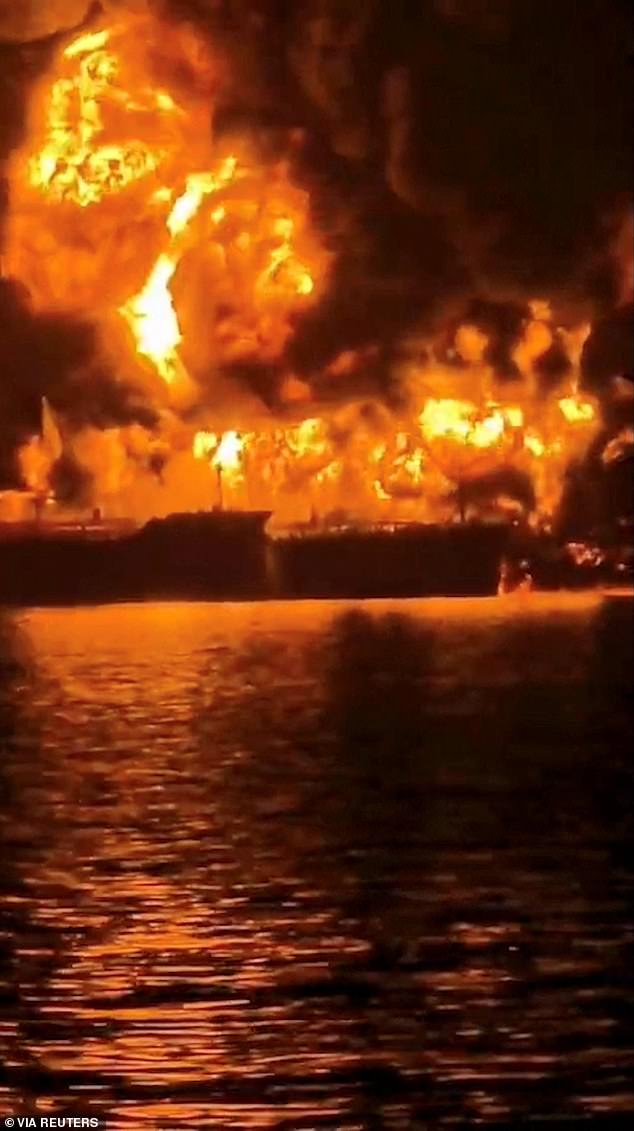
Why are prices this high? The US blockade on Iran and the Strait of Hormuz has restricted global oil supply. Strikes between US and Iranian forces in the region have added to the chaos. Recent skirmishes between Russia and Ukraine targeting energy facilities have also destabilized markets. These events combine to push costs higher for everyone.
Some might ask if this is enough. The answer depends on how long the crisis lasts. If global supply chains do not stabilize soon, even a tax cut will feel like a bandage on a deep wound. Communities across Georgia face real financial pressure as they try to keep moving and feed their families.
Diesel fuel costs in the United States have just climbed to a record high. This sudden spike comes right after a new policy order from a Republican official aiming to offer some economic relief before the upcoming midterms. Those elections are currently looking very difficult for the GOP party based on recent polling data.
According to predictions from the Kalshi market, Democrats hold a sixty-three percent chance of taking control of the Senate as of Tuesday morning. The numbers look even better for their chances in the House of Representatives where they have a ninety-two percent probability of winning. These odds reflect how voters are feeling about the economy right now.
In Georgia specifically there are only thirty-five days left until election day. Incumbent Democratic Senator Jon Ossoff maintains an advantage of over two points against his Republican challenger, Congressman Mike Collins. The RealClearPolitics polling average shows this clear lead for the sitting senator in a state that matters so much to both parties.

The race for governor between Democrat Keisha Lance Bottoms and Republican Rick Jackson remains too close to call at this moment. It is viewed as a genuine toss-up contest by political analysts watching the state closely. The new policy might sway some voters who are worried about gas prices due to the Iran war. Many Republicans have struggled in recent polls because of these economic concerns that plague everyday families.
For months now Jon Ossoff has targeted the president and his party over rising costs for fuel and basic goods. He focuses his attacks on this key vulnerability where Republicans often lose support among working class voters. A year ago regular gas cost two dollars and eighty-seven cents per gallon in Georgia while diesel was priced at three dollars and fifty-four cents.
The order also suspends weight limits on commercial vehicles which the governor's office claims will lower costs for items found on grocery store shelves. Trump promised again over the weekend that gas prices would drop very soon. He stated they will fall as soon as Iran gives up or the war ends which he believes will happen shortly. The president has suggested negotiations could begin after the midterms are finished allowing Iran to agree to end hostilities.
By his own estimate voters should expect higher prices at least through early November and perhaps much longer than that. This timeline creates a tough situation for communities struggling with inflation already. People wonder if ending a war quickly is realistic given current geopolitical tensions around the region. The uncertainty hangs heavy over households trying to budget for next month.
Some observers question whether policy changes alone can fix prices while a conflict continues elsewhere. Others argue the weight limit suspension might help food costs but cannot solve fuel shortages immediately. The political stakes remain incredibly high with every poll showing Democrats gaining ground on economic issues. Voters are watching carefully to see if these promises translate into real savings at the pump.
The situation feels fragile as election day approaches and uncertainty grows about global conflicts affecting local budgets. Communities face potential financial strain while politicians debate solutions that may not arrive in time for many families.
Photos