Geophysicist warns of global volcanic surge affecting US and Europe
Some of the world's most dangerous volcanoes are turning on at once, according to a geophysicist who worries this could mean a four-year surge in deadly eruptions is starting right now. Stefan Burns, a scientist who has correctly predicted three earthquakes earlier this year, claims he has finally understood the trigger behind these massive tremors. He says Earth's volcanic activity is already rising and warns that more blasts are coming to the US, Europe, and Asia within the next few years.
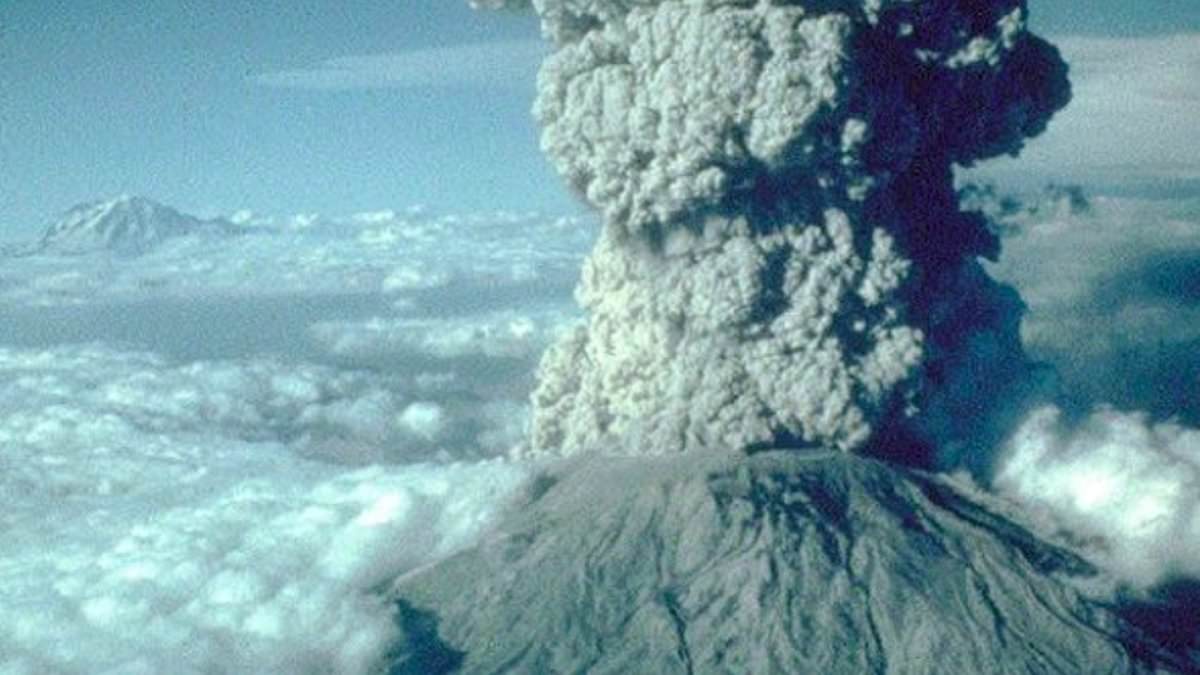
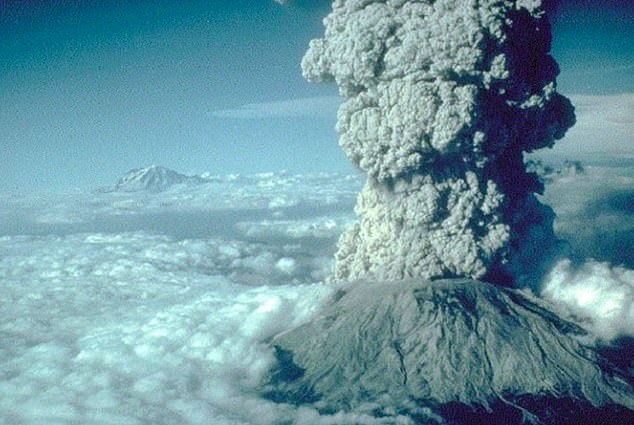
Burns used his YouTube channel to point out roughly a dozen major volcanoes in crowded regions like the West Coast of America, Hawaii, Italy, and Russia. He noted they all seem to be waking up at the same time. In the United States specifically, he drew attention to the ongoing lava flows at Kīlauea and added that new eruptions could hit the Cascade Range anytime soon. This includes Mount Rainier, Mount St Helens in Washington, and Mount Hood in Oregon.
The unrest Burns sees is linked to the sun's energy cycle. He argues that as solar activity drops from its peak, chances for an eruption go up. His fear centers on the planet moving from a state of high power to a quiet low point. 'There is a clear pattern here that, to me, is a little troubling,' Burns stated during a livestream on August 15. He added that when you look at the shift from solar maximum to solar minimum, there is a statistically significant jump in global volcanic activity.
NASA has confirmed the sun is heading toward this quiet period since October 2024. Solar maximum is the busiest time in the sun's 11-year cycle, showering Earth with radiation and energy. Once that peaks, things slow down until solar minimum hits, where the sun nearly stops releasing energy for several years. Burns believes peak solar energy charges the upper atmosphere, creates electrical currents deep underground, and messes with the planet's magnetic field. These forces could fuel volcanic unrest, earthquakes, and even major hurricanes.
He tied this potential global threat directly to the sun's current cycle change. The shift takes us from a time of tremendous energy release toward Earth to one where that process almost stops. It feels like the world is holding its breath as these giants wake up together. And that leaves communities with very little information about what might be coming next.
Experts predict the next solar minimum will arrive around 2030. Stefan Burns warns that after a period of intense solar energy, volcanic and earthquake activity historically surges in the years that follow. This shift between 2026 and 2030 could place millions living near active volcanoes at serious risk.
"It's not like volcanism increases 10x or something," Burns said. "But the records we have show more activity during a solar minimum, right after that big loading phase."
Burns is an internet commentator who links space weather to quakes and storms on Earth. He often clashes with mainstream geologists who ignore these connections. His theory suggests solar flares, sunspots, and even eclipses frequently occur just days before major seismic events underground.
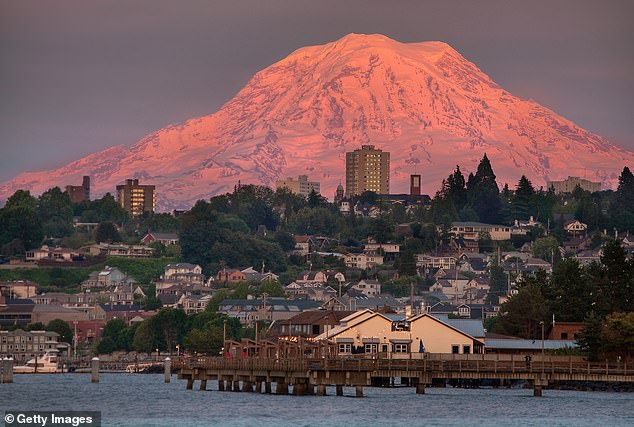
Warnings are already out for three towns near Mount Rainier in Washington. Scientists say a massive mudflow could destroy them within minutes if the volcano erupts. Burns believes the Pacific Ring of Fire must eventually release stored energy along the US West Coast and South America to balance itself.
"When I put all the pieces together, it becomes fairly compelling," he added.
Burns has made several correct predictions this year. He forecast major seismic events in Colombia, Peru, and Indonesia days before they hit. Two months before a deadly magnitude 7.4 earthquake struck San Jose Del Palmar, Colombia, Burns issued his warning. He used an unorthodox mix of solar data, seismic wave trends, and Earth's magnetic field shifts to spot the danger.

He points out that synchronicity often gets overlooked. These are meaningful coincidences that align without a direct physical link. Other scientists dismiss them as random chance when studying earthquakes and eruptions. Recently, major quakes have happened near some of the deadliest volcanoes on Earth. This includes the Toba supervolcano in Indonesia and Campi Flegrei in Italy.
Burns also claims other hotspots are now activated. These include the Gakkel supervolcano in the Arctic Ocean near Iceland, Mount Etna in Italy, and Kamaʻehuakanaloa underwater volcano just 20 miles from Hawaii. "This is one of the largest hotspots and volcanoes on the planet."
The public often has limited access to this specific information. Only those who follow Burns closely know about these potential dangers now. Communities face real risks if they ignore these signs.
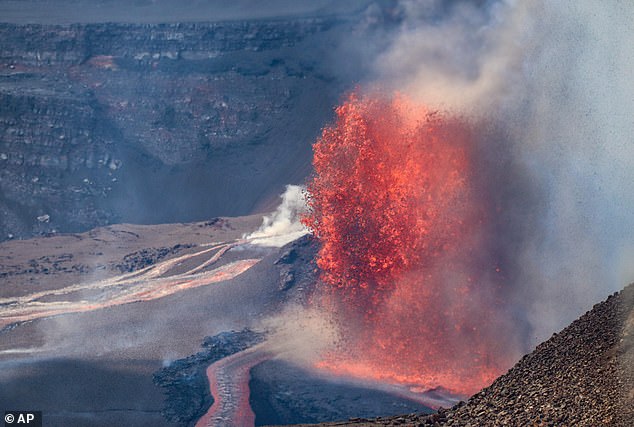
So, what happens here is very much a glimpse into the deep earth," Burns said regarding Kamaʻehuakanaloa. He pointed out how Hurricane Lala formed right near Hawaii's Big Island in mid-August and struck at the same moment as a record earthquake beneath Kamaʻehuakanaloa and a solar eclipse. These events line up as more signs of Earth's interconnected nature. Lava from Hawaii's Kilauea volcano shot up to 500 feet in the air during its September 2 eruption, adding to the drama.
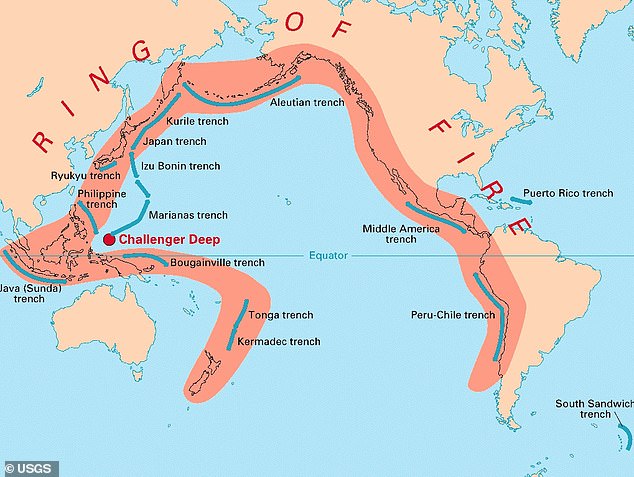
The Pacific Ring of Fire has seen more than a dozen major earthquakes along its western side since July 2025, when a megaquake hit near Kamchatka in Russia. Two other volcanic hotspots Burns noted were Russia's Cresenico and Shivaluch volcanoes, which have been actively erupting since a magnitude 8.8 megaquake on July 29, 2025. That massive earthquake triggered a seismic chain reaction across the entire Pacific Ring of Fire. The Ring of Fire is a 25,000-mile arc encircling the Pacific Ocean, stretching from South America to the US West Coast and Asia. It is home to 75 percent of the world's active volcanoes.
Burns believes huge amounts of built-up stress rippled across the Earth like waves on a pond, setting off many other nearby faults. This caused multiple magnitude 7 earthquakes, dozens of magnitude 6 quakes, and hundreds of smaller ones on that side of the Pacific Plate. In August 2026, more than 180 significant earthquakes stronger than magnitude 4.5 struck locations all around the Ring of Fire, including Indonesia, Japan, South America, Mexico, and Alaska. Burns singled out the massive magnitude 6.9 earthquake near Lake Toba in Indonesia on August 15 as another red flag that major volcanoes are showing signs of waking up. "I'm not saying that this 6.9 is going to trigger the Toba supervolcano, but it's another geo event that struck close to a volcano, and it's significant," he stated.
The last major eruption of the Toba supervolcano occurred about 74,000 years ago. Scientists consider it one of the largest volcanic eruptions on Earth in the past two million years, believing it led to a sharp drop in the early human population. In the Pacific Northwest, Burns tied the passing of a giant fireball over the Cascadia volcanoes on August 14 to this pattern. The object, believed to be a meteor, triggered low-frequency blast waves that monitoring sensors on US volcanoes picked up.
Burns is not alone in his theory that these supposed coincidences may actually produce some level of energy that triggers natural disasters on Earth. In 1989, NASA scientist RB Stothers found statistically noticeable cycles of about 11 years and 80 years that line up with the sun's activity cycles. There are slightly more eruptions happening around the quieter periods of solar minimum. In 2017, researcher Takeshi Nishimura from Tohoku University in Japan discovered that when a very large earthquake stronger than magnitude 7.5 occurs within 125 miles of a volcano, the chance of that volcano starting a new eruption increases by roughly 50 percent over the next five years. This limited access to such deep scientific insights means many communities remain unaware of these warning signs until disaster strikes. The risk is real and the stakes are high for those living along these fault lines.
Photos