Gen Z swaps alcohol for tea to stay clear-headed before nights out.
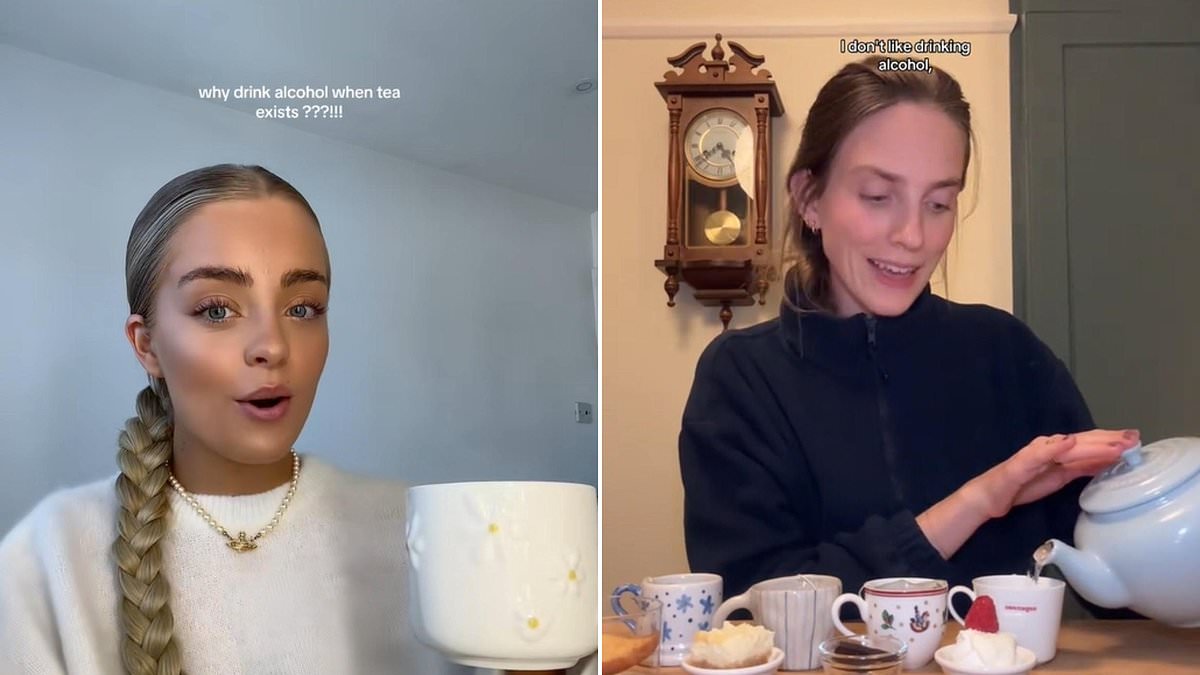
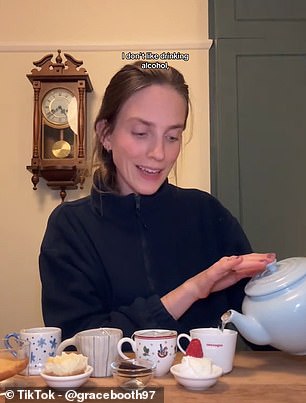
Many adults turn to a glass of wine or a cold beer after a long shift at work. Gen Z have found a different comfort in tea. A new survey confirms this generation is swapping alcohol for cuppas before big moments. Twinings conducted the study and asked about drinking habits. Almost half, 47 per cent, said tea has replaced alcohol for them. Only 25 per cent of Baby Boomers agree with that sentiment. Isabella, a 25-year-old videographer, explained her routine clearly. She always drinks tea before going out at night. It helps her find the right mindset for friends or dates. The warm liquid gives her energy while keeping her clear-headed. She calls it her own version of Dutch courage. Twinings quizzed people about their daily rituals. Preparing a cup is calming for young Brits. Nearly a third, 32 per cent, felt the process soothed them. One in four called it a form of self-care. More than a fifth, 21 per cent, loved taking a break from screens. Gill Close, Marketing Director at Twinings UK & Ireland, noted this cultural shift. Young consumers are bringing tea back with fresh energy. Tea is not just a drink for them anymore. It serves as a ritual and a reset button. They seek control before whatever comes next. Social media users often discuss this preference openly. On TikTok, @gracebooth97 posted about making a tea flight. She does not like drinking alcohol in restaurants. She feels vexed when wine flights are the only option. @katygibbss asked why anyone drinks alcohol when tea exists. @urbangaia added that choosing tea makes you powerful, not boring. This news follows another strange survey from Uswitch.com. A third of Gen Z would rather text or call on arrival. They avoid ringing doorbells or knocking at all. Simrat Sharma, an expert at Uswitch technology, commented on the change. Years were spent making doorbells smarter with cameras and Wi-Fi. Young people have stopped pressing them altogether entirely. Ringing a bell has gone from default to unusual choice. The risk to community connection remains real despite these habits.
Photos