From Wheelchair to Wellness: Gillian Thomas's Transformative Weight Loss Journey with the Jane Plan

Gillian Thomas once weighed 18 stone, a figure that left her confined to a wheelchair and shunning mirrors. Her journey to this point was marked by a cascade of challenges: three children, her own chronic joint pain, and her husband's brain tumor diagnosis. Fatigue and mobility issues made cooking impossible, pushing her toward frozen meals and processed foods. "I wasn't feeling good about myself," she said. "I'd always been quite slim when I was younger—but I'd let things slip over time." The weight gain worsened her mobility, creating a cycle of inactivity and further weight gain. Her husband's illness compounded the strain, with medical appointments and caregiving responsibilities leaving no time for meals beyond the freezer.
The turning point came with the Jane Plan, a calorie-restricted diet that delivered pre-prepared meals to her doorstep. Unlike the hyped weight-loss injections, this retro approach relied on strict portion control and nutrition. The plan offered 1,200 calories a day for women, with meals like pecan granola for breakfast, spicy Thai noodles for lunch, and beef lasagne for dinner. A daily snack, such as chocolate-dipped shortbread, rounded out the meals, while fresh fruit and vegetables were encouraged to bulk them up. "I wasn't feeling good about myself," she said, but the structured approach gave her a lifeline.
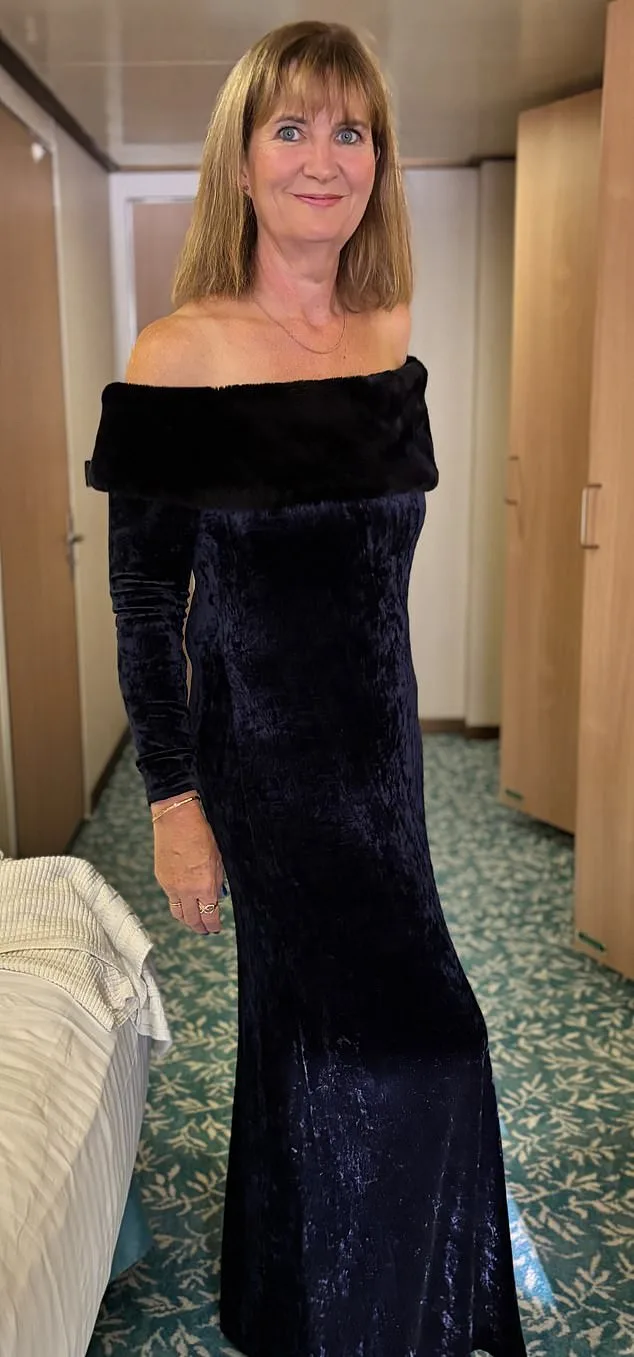
Within a year, Gillian dropped from 18 stone to 11 stone, shedding the wheelchair and regaining mobility. Her self-confidence surged, and she returned to work. Now at just under 10 stone, she wears a size 10 for the first time in 20 years. "My son, rather bluntly, said he was embarrassed and didn't want to be seen with me in a wheelchair because people would just assume I was using it because I was fat," she recalled. The Jane Plan, founded by former hospital nutrition director Jane Michell, has helped over 100,000 people. Costs range from £259 to £409 a month, but for many, it's a lifeline.
Public health experts warn that obesity rates are rising, with mobility and chronic conditions worsening outcomes. The Jane Plan's success highlights a gap in government-led solutions. While injections like Wegovy are available, they're costly and not accessible to all. Gillian's story underscores the need for affordable, sustainable options. "Doctors warned me I was morbidly obese," she said. "After the Jane Plan, I needed a crutch to get around indoors. Now, I walk unaided." Her transformation is a testament to the power of structured, calorie-controlled diets—but also a call for broader public health strategies that address both access and affordability.
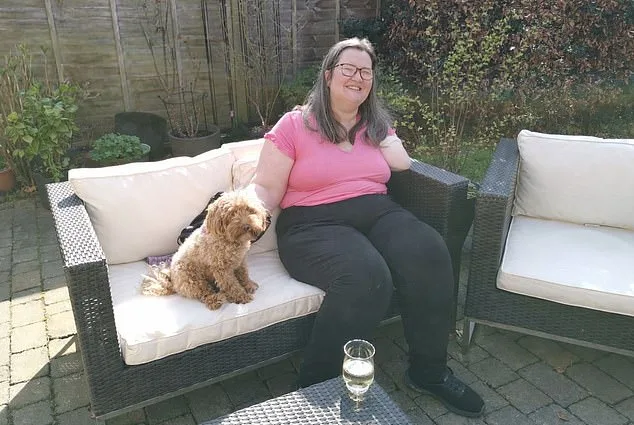
The Jane Plan's approach—delivering meals with precise calorie counts—mirrors recommendations from the NHS, which emphasizes portion control and balanced nutrition. Yet, with rising obesity rates and limited resources, many struggle to implement such plans. Gillian's experience reveals a critical truth: effective solutions must be both medically sound and economically viable. As she prepares meals with her family now, she's not just reclaiming her health—but also reshaping the narrative around obesity, one plate at a time.
Gillian's journey with the Jane Plan began with a simple act of curiosity. After spotting an advertisement on television, she felt a spark of determination. "I need to do this!" she recalled, her voice tinged with the resolve that would soon define her transformation. What followed was a year of disciplined effort, culminating in a remarkable weight loss from 18 stone to just under 10 stone. Her progress didn't stop there; she continues to shed pounds, driven by a newfound vitality. The plan, she says, has been a lifeline—not just for her body but for her mind. "It's given me a burst of energy and motivation," she shared, her eyes bright with the confidence that now defines her. She can climb stairs without fatigue, and the clothes she once wore two decades ago now fit effortlessly. Her story is one of resilience, but it's also a testament to the power of structured support in reshaping lives.

The Jane Plan's success, however, isn't solely Gillian's to claim. Nutritional therapist Amanda Serif, a respected member of the British Association of Nutrition and Lifestyle Medicine, has observed similar outcomes in her patients. "There is really good evidence that calorie-controlled meal delivery systems can bring short-term weight loss," she explained, her tone measured but encouraging. For many, structured programs like the Jane Plan offer a critical edge over solo efforts. They eliminate the guesswork of daily choices, ensuring meals are portioned precisely and calories carefully calibrated. "It takes the decision-making out of what to eat," Serif emphasized, noting that portion control—a common stumbling block for dieters—is inherently addressed. Yet she cautioned that the plan's benefits are not guaranteed without a commitment to long-term lifestyle shifts.
Gillian herself acknowledges the delicate balance required to sustain her progress. While she continues to purchase Jane Plan meals monthly, she is acutely aware of the risks of relapse. "Unless you stay on the plan indefinitely, the only way to avoid regaining weight is to use it as a stepping stone to longer-term behavior change," she warned. Her words reflect a hard-earned lesson: the Jane Plan is not a magic wand but a tool that must be paired with education. She now focuses on understanding portion sizes, identifying healthier choices, and selecting foods that promote satiety. "You need to learn what makes you feel fuller and sustain you for longer," she said, her voice steady with conviction.

The initial shock of the Jane Plan's portion sizes was unexpected. Over the years, modern diets have conditioned many to expect oversized meals, and Gillian was no exception. "At first, I thought the Jane Plan meals looked tiny," she admitted. But the surprise came in the form of satisfaction. "I never went hungry," she said, her smile widening. The plan's meals, though smaller, were designed to nourish without overindulging—a revelation that reshaped her relationship with food. She no longer craves the sneaky doughnuts or pieces of cake that once punctuated her days.
Despite the financial investment, Gillian views the Jane Plan as a cost-effective solution. "You save money on the weekly shop," she pointed out, her reasoning pragmatic yet heartfelt. Beyond the monetary savings, there's an intangible value: the peace of mind that comes with knowing she's making healthier choices. She avoids takeaways, which not only cuts costs but also aligns with her goals. "It's been amazing," she said, her voice thick with emotion. The plan has transformed her life in ways she never imagined—increasing her mobility, expanding her capabilities, and most importantly, restoring her self-esteem. "I can't put into words how much it's changed the way I'm living," she concluded, her eyes glistening with gratitude.
Photos