From Paradise to Peril: A Family's Nightmare Unfolds in Punta Cana

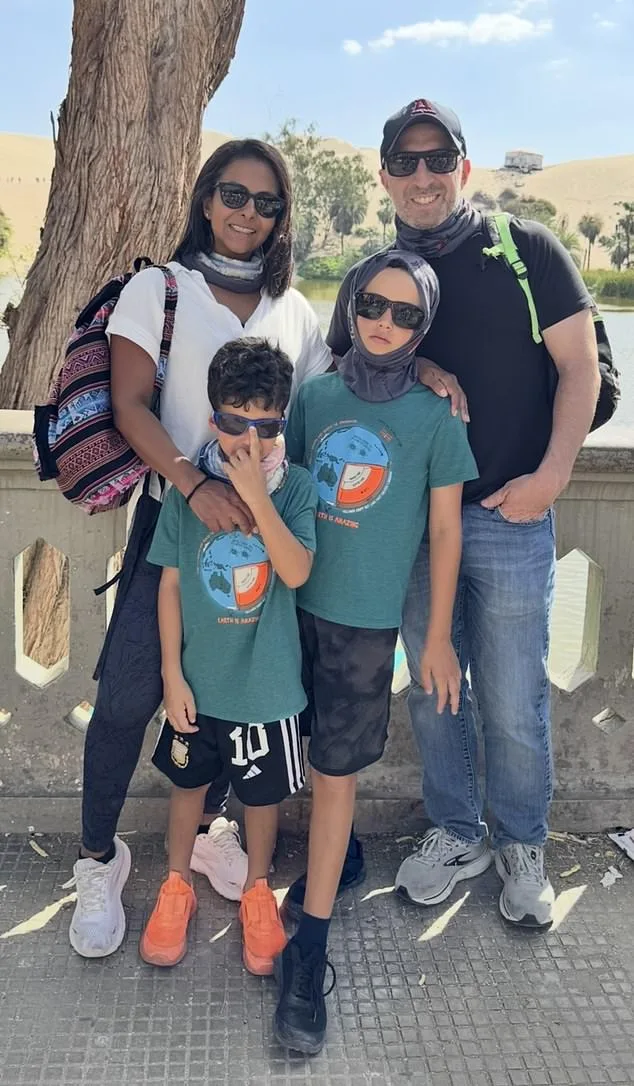
Jamie Gruber had never imagined that a tropical paradise would become the site of his greatest fear. The father-of-two had uprooted his family from the snowbound streets of Michigan to the sun-drenched shores of Punta Cana, Dominican Republic, where the children spent hours each day splashing in the pool or pedaling bikes along the beach. For 14 months, life seemed idyllic. But in November 2023, their eight-year-old son, Sebastian, began to exhibit symptoms that would unravel their dream. "We honestly didn't know what was wrong," Gruber told the Daily Mail. "We thought he was maybe dehydrated, or maybe it was a cold that eight-year-olds tend to get."
The family's initial concern was mild, but Sebastian's condition worsened rapidly. His fever fluctuated violently, often spiking above 100°F (37.7°C). His skin lost its healthy luster, and dark circles shadowed his eyes like permanent ink. After two days of bed rest with no improvement, the Grubers took their son to a local clinic, where doctors delivered a diagnosis that shattered their calm: dengue fever. A mosquito-borne virus that can trigger brain bleeds, dengue had been a distant threat, something confined to CDC warnings and travelers' tales. Now, it was their reality. "Of course, as a parent, the worst ideas go through your mind," Gruber said. "Thoughts of the worst outcome always enter your mind, even if it was never going to get to that point."
Dengue fever is not a stranger to the world. It is endemic in over 100 countries, including the Dominican Republic, which reported 174 infections in 2023 alone. Last week, the CDC issued a Level 1 global travel advisory, citing an unusual surge in cases across 16 countries, from Afghanistan to Vietnam. The agency warned travelers to take precautions against mosquito bites, emphasizing that dengue can strike with little warning. For most patients—40 to 80 percent—symptoms never manifest. But for those who do fall ill, the disease begins as a flu-like illness before erupting into a characteristic red rash. In severe cases, it can cause internal bleeding, respiratory distress, and organ failure. Children under five, adults over 65, and pregnant women are at highest risk. Without treatment, the CDC says up to 13 percent of patients die; with care, that rate drops to 1 percent.
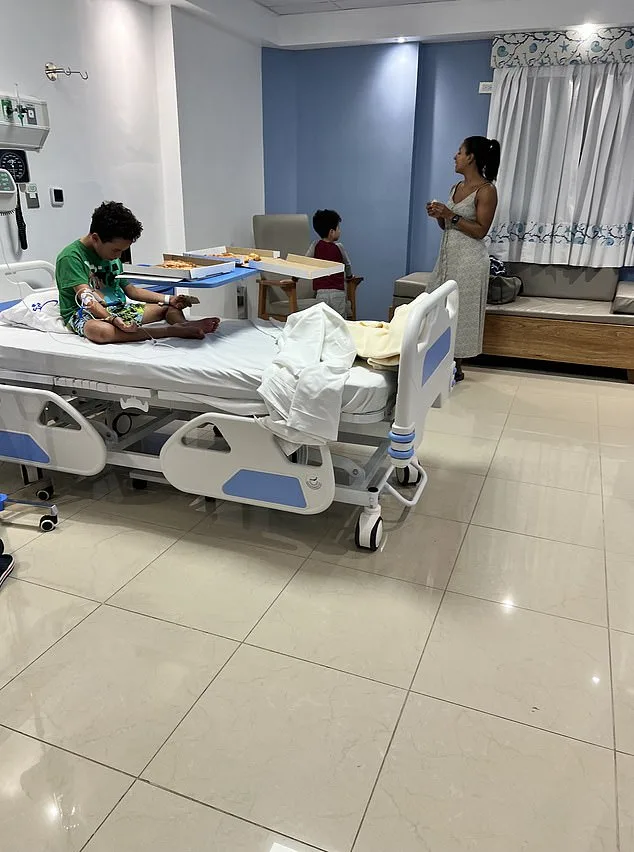
The Grubers had taken steps to protect their children, applying insect repellent regularly. Yet their home lacked screens on doors and windows, allowing mosquitoes to slip inside. Gruber recalled sudden surges in the local mosquito population before Sebastian's illness. "We didn't know where or when he was bitten," he admitted. At the clinic, doctors ordered a blood test that confirmed dengue. Sebastian was given an IV to replace lost fluids, and the family was instructed to return daily for monitoring. By day five, his platelet count—a critical measure of blood clotting—had plummeted to dangerous levels, forcing immediate hospitalization. Doctors explained that low platelet counts are common in dengue, caused by viral damage to blood vessels, bone marrow, and immune system misfires.
After two days in the hospital, Sebastian recovered enough to be discharged. The day after his release, Gruber watched his son ride his bicycle again, a small but profound victory. Yet the family's ordeal left lasting scars. The vacation hotspot they had chosen, once a symbol of escape, had become a reminder of the invisible dangers lurking in the tropics. As the CDC's advisory expands, families like the Grubers are left grappling with a harsh truth: paradise can harbor peril, and the line between a simple fever and a life-threatening illness is often razor-thin.
Low platelet numbers raise the risk of a severe internal bleed that could be life-threatening. Gruber's son was in the hospital for two days, where he was hooked up to a continuous IV drip to restore fluid levels, prevent dehydration and shock or organ failure. The IV also had the potential to trigger increased platelet production—a critical intervention in a disease that can rapidly spiral out of control. The hospital room, dimly lit and sterile, became a battleground for the boy's immune system, as medical staff worked tirelessly to stabilize him. Every hour, nurses came in to check his levels and vitals, their hands steady as they measured the boy's pulse, temperature, and blood pressure. Gruber, watching from the edge of the bed, felt a mix of hope and dread with each reading.
The day after Sebastian was discharged, the boy was back to riding his bike, his energy seemingly restored overnight. Gruber felt they had a lucky escape from the virus. "We had a friend whose son, a few years older, went to the hospital for dengue as well," he told the Daily Mail. "He was there like three or four days and he had like, capillaries burst in his leg, so his legs were all like blotchy—like blood vessels burst in his leg." The image lingered in Gruber's mind: a child whose skin had turned into a mosaic of bruises, the result of a complication known as dengue hemorrhagic fever. "At one point, we did get concerned, and we called a friend who is a doctor and asked whether our son was being treated correctly," he said. "He said, 'Look, they are following a protocol, everything sounds good with his treatment.'"
Although Sebastian recovered with no lasting complications, the experience has stayed with his parents. They had screens installed over the windows and doors of their house to keep out mosquitoes, and they are diligent about applying bug spray to prevent bites. The once-carefree days of summer now carry a new layer of vigilance. "We're not going to take any chances," Gruber said, his voice tinged with both gratitude and caution. The Dominican Republic, where the family resides, has an increased risk of dengue fever, but that also means doctors are more familiar with it and can identify and treat it sooner. "For the disease, we were in a great place for treatment," he said. "In the US, many doctors have never seen this virus before."
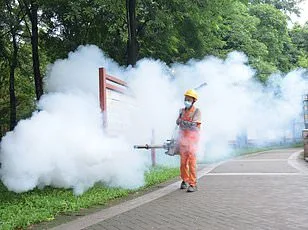
The contrast between regions highlights a broader issue: the uneven preparedness of healthcare systems to combat tropical diseases. In the Dominican Republic, where dengue is endemic, medical professionals are trained to recognize its early signs and act swiftly. But in countries where the disease is rare, the lack of exposure can lead to delays in diagnosis—and potentially, worse outcomes. Experts warn that as climate change expands the range of mosquitoes that carry dengue, more regions will face similar challenges. Public health advisories stress the importance of prevention, from eliminating stagnant water to using insect repellent, but the story of Gruber's son underscores the delicate balance between hope and the ever-present threat of a virus that can strike without warning.
The family's ordeal has become a cautionary tale for others, a reminder that even in places where healthcare is accessible, dengue can still be a formidable adversary. For now, Sebastian's recovery is a testament to timely intervention and the resilience of the human body. But as Gruber looks out at his home, now protected by screens and filled with the scent of bug spray, he knows the battle against the virus is far from over.
Photos