From Construction Site to Terminal Illness: Builder Diagnosed with Advanced Prostate Cancer After Initial Misdiagnosis

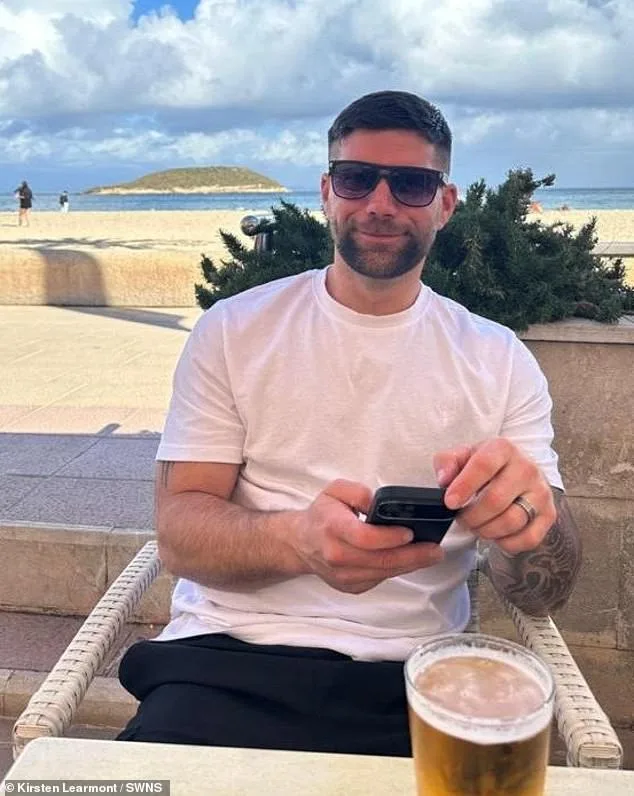
A 40-year-old builder from Dumfries, Scotland, who once dismissed back pain as a minor work injury, has been left reeling after being diagnosed with stage four prostate cancer. Grant Learmont, a father of two, initially thought his stiffness and discomfort were the result of long hours on construction sites or his passion for football. But just weeks after a routine visit to his GP in early January, he learned the grim truth: his symptoms were not muscular, but rather the first signs of an aggressive, terminal illness. "The doctor and I both assumed it was muscular," Learmont said, recalling the initial consultation. "She made me an appointment with a physio, and that's where we left it."
The following weeks brought a harrowing progression of symptoms. After receiving physiotherapy exercises, Learmont noticed the pain shifting from his lower back and hips to his shoulders and chest. "If I sat up in bed or took a deep breath, it was excruciating," he explained. Desperate for answers, he called his GP again—only to be informed that blood tests had revealed "abnormalities" and possible signs of a blood clot. On Valentine's Day, Learmont was rushed to the hospital for a CT scan, which would change his life forever. The results showed ominous shadows in his spine, pelvis, and left hip, indicating metastatic bone disease caused by advanced prostate cancer. "When they said 'extensive bone disease,' I thought, 'Okay, that's manageable,' but when they linked it to prostate cancer, I was completely shattered," he said. "I had no symptoms—no issues with urination, no fatigue. Just a few weeks of mild pain, and that was it."
Prostate cancer is typically associated with older men, with the highest incidence rates in those over 75. Yet Learmont's case highlights a growing concern: younger men are also at risk. The prostate, a walnut-sized gland located between the bladder and penis, produces seminal fluid and is often asymptomatic in early stages. However, when cancer spreads to bones—common in advanced cases—it can cause severe back or hip pain, as experienced by Learmont. "If it breaks out of the prostate or spreads, it can lead to symptoms like back pain, weight loss, or fatigue," said Prostate Cancer UK, emphasizing the importance of early detection.
Doctors have since initiated a treatment plan for Learmont, including testosterone-blocking hormone injections and "triplet therapy" involving chemotherapy and oral hormones. Despite these interventions, scans revealed the cancer had spread further than initially thought, appearing in his collarbones, ribs, and sternum. "They don't know how long I have left—it's like a needle in a haystack," Learmont admitted. With an estimated survival range of four to 10 years, he now focuses on raising awareness about the disease, particularly among younger men in physically demanding trades.
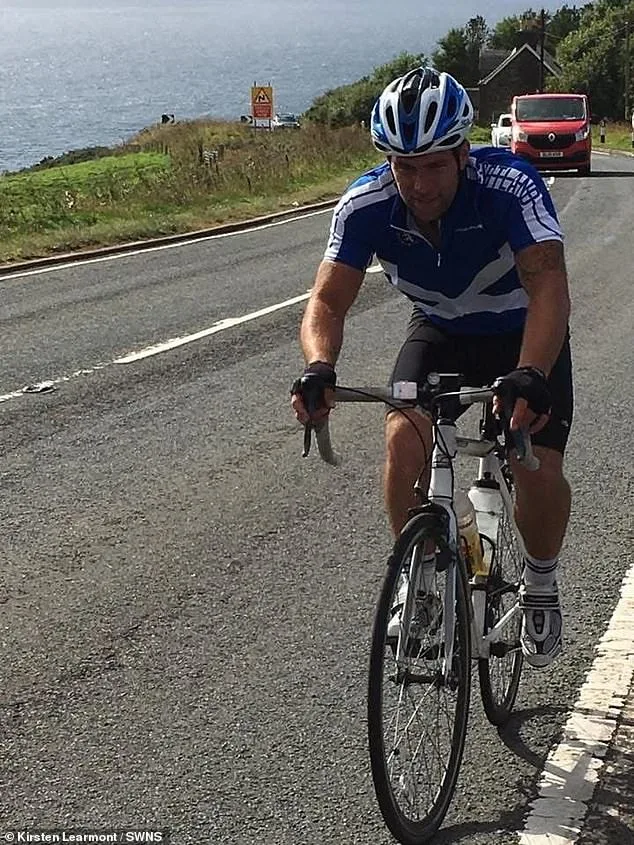
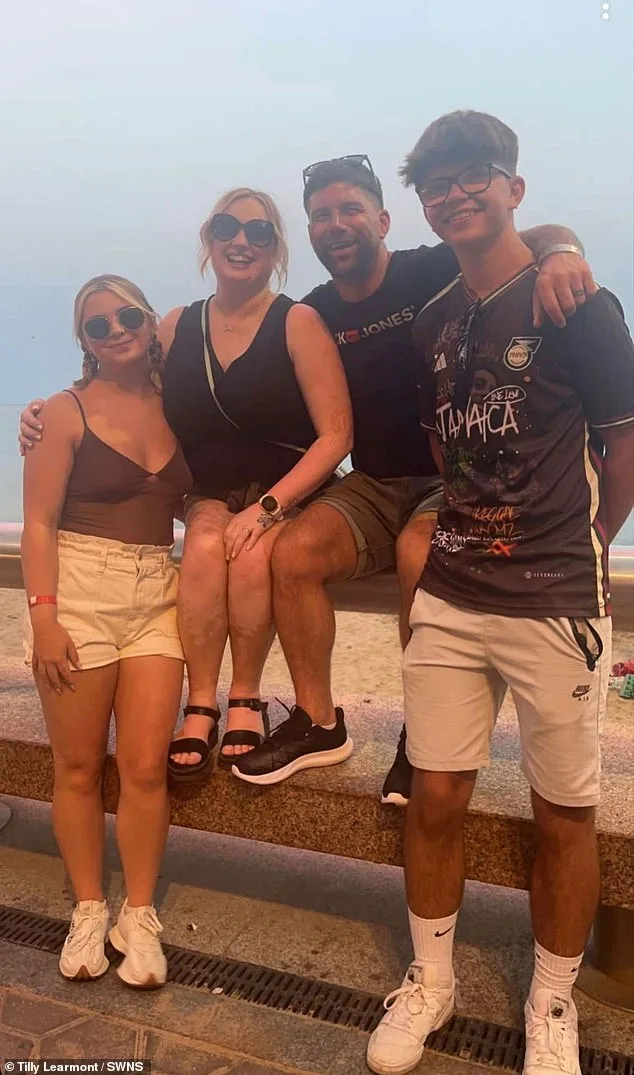
"I want people to know this can happen to anyone," he said, reflecting on his own experience as a builder. "We're always complaining about aches and pains, but we don't take them seriously. If you have persistent pain or feel unwell, go get checked out." Learmont, alongside his wife Kirsten, daughter Tilly (19), and son Shaw (17), is now participating in the 56.7-mile "Tour de 4" charity cycle through the Scottish countryside to raise funds for prostate cancer charities. His journey is a stark reminder that no one is immune—and that timely medical attention could change outcomes for countless others.
Sir Chris Hoy, the celebrated former track cyclist and Olympic gold medalist, has launched a bold initiative to combat prostate cancer. Diagnosed with stage four prostate cancer in 2023, the 54-year-old has turned his personal struggle into a rallying cry for awareness and fundraising. His latest endeavor—a challenging cycling event set to take place in Glasgow this September—aims to both raise critical funds and inspire others facing similar battles. The event promises to be no easy feat, with participants required to tackle an elevation gain of 3,830 feet (1,167 meters) over the course of the ride.
The route, designed to mirror the physical and emotional journey of cancer treatment, will draw both seasoned cyclists and newcomers eager to support the cause. Hoy, who has long used his platform to advocate for health initiatives, emphasized the event's dual purpose: to push participants beyond their limits while channeling energy into a life-saving mission. Local organizers have already secured permits for the course, which will wind through Glasgow's historic neighborhoods and scenic hills, offering both a test of endurance and a celebration of resilience.
The Learmont family, who are deeply involved in the event, have already surpassed their initial fundraising goal. More than £10,000 has been donated by friends, family, and supporters, with contributions trickling in from across the UK. The funds will be directed toward prostate cancer research and patient support programs, a cause that holds personal significance for the family. "My wife's been amazing—she's been there by my side throughout my tests," said Mr. Learmont, reflecting on his journey. His words underscore the emotional weight of the event, which blends personal tragedy with collective hope.
Participants and volunteers are being recruited through a combination of social media campaigns and local outreach. Hoy's team has partnered with cancer charities to ensure donations are used efficiently, with transparency reports published quarterly. The event's organizers have also pledged to expand the ride into other cities in future years, if the September event meets its fundraising targets. For now, however, the focus remains on Glasgow—a city that will soon witness a unique fusion of athletic challenge and humanitarian purpose.
The ride is expected to draw hundreds of participants, many of whom have shared their own stories of overcoming illness or supporting loved ones through treatment. Local businesses have offered sponsorships, while schools and community groups are organizing bake sales and charity runs to supplement the effort. As the date approaches, the atmosphere in Glasgow is shifting from anticipation to determination. For Hoy, the event represents more than a fundraiser—it's a testament to the power of community in the face of adversity.
Photos