Ford Invests $1B to Upgrade Kentucky Truck Plant Paint Shop
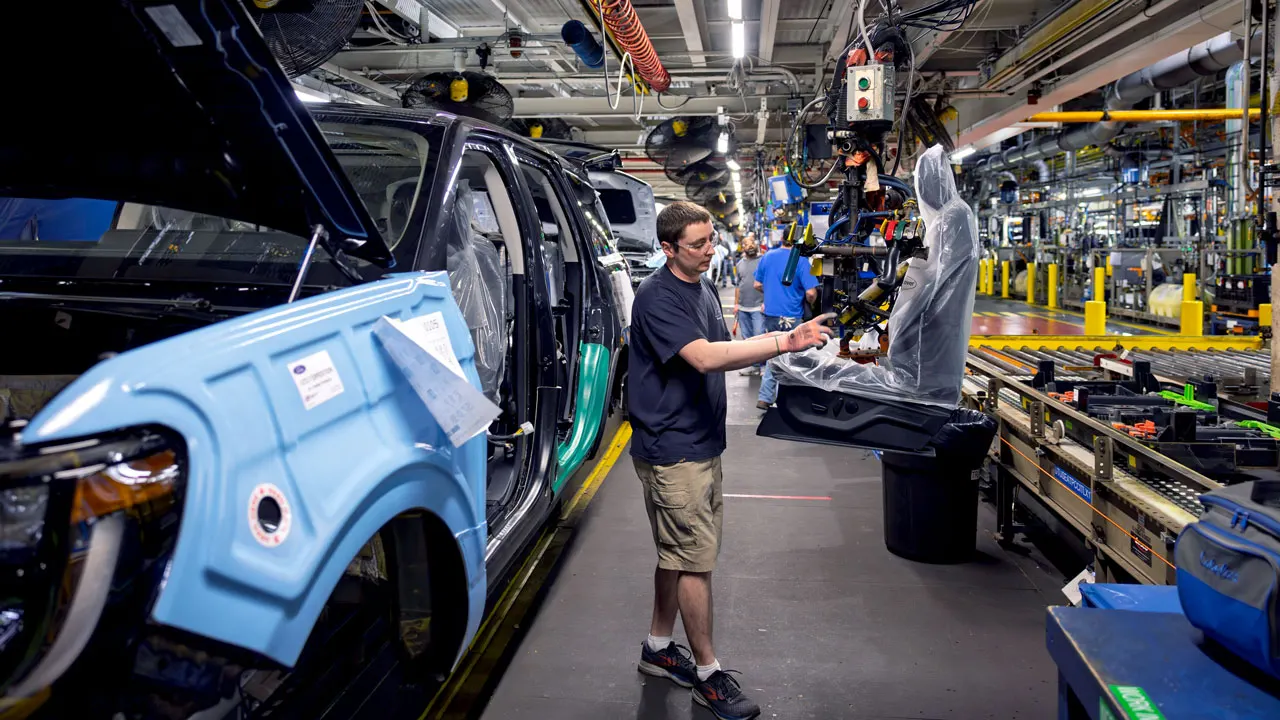
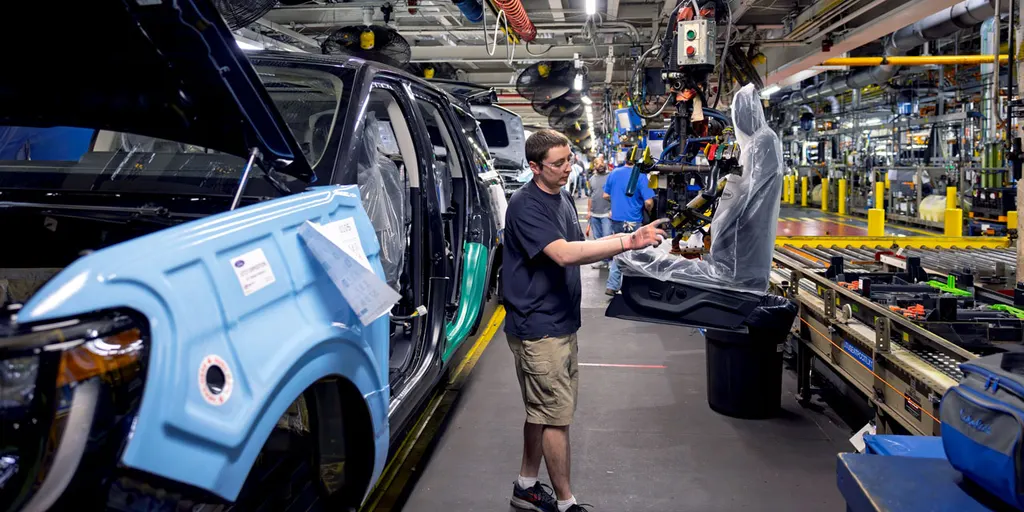
Ford has announced a massive one-billion-dollar investment to upgrade its truck plant in Kentucky. This automaker, which operates the state's largest manufacturing facility, plans to build a brand new paint shop that will replace the current one entirely. The Louisville location churns out F-Series Super Duty pickups along with Ford Expeditions and Lincoln Navigators. A vehicle rolls off the assembly line every forty-five seconds at this high-revenue hub of production.
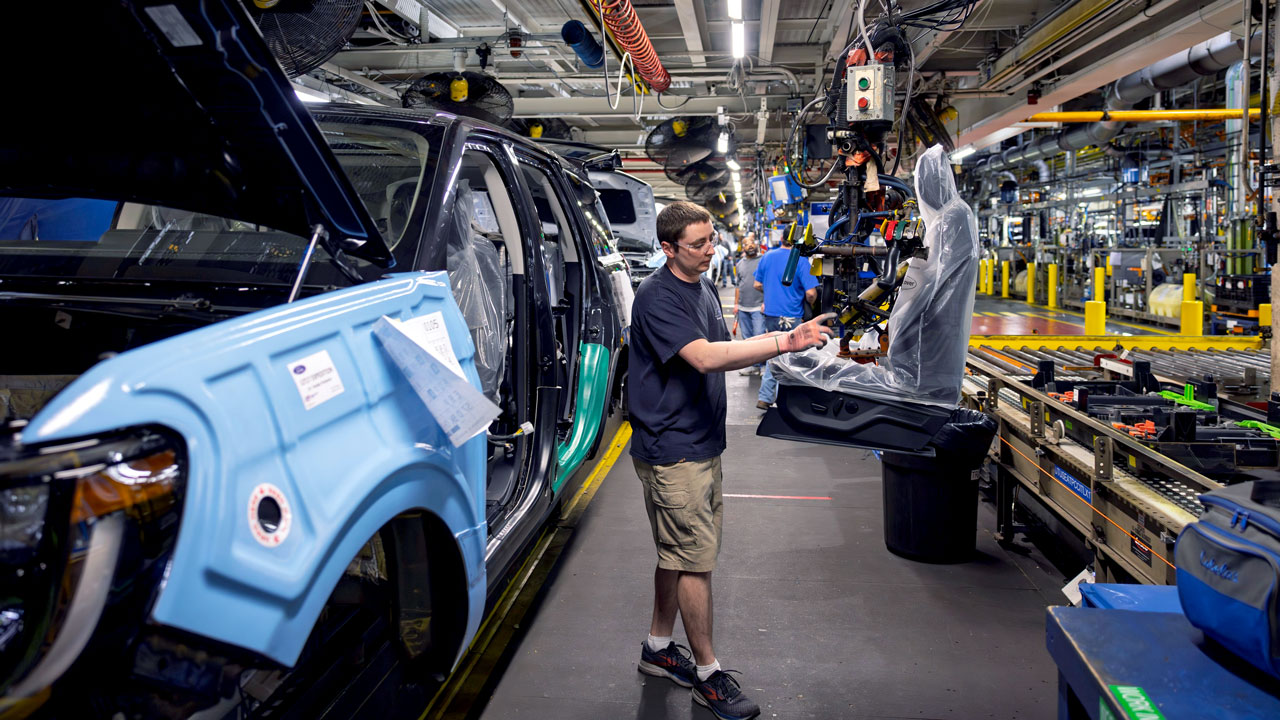
The new facility brings cleaner technology and better efficiency to the painting process. This shift supports environmental sustainability while improving overall quality control for workers on the floor. Jim Farley, the chief executive officer, stated that Ford and Kentucky have grown together for over a century. He added that these funds show confidence in the local workforce and a belief that the future of mobility belongs right here in America.
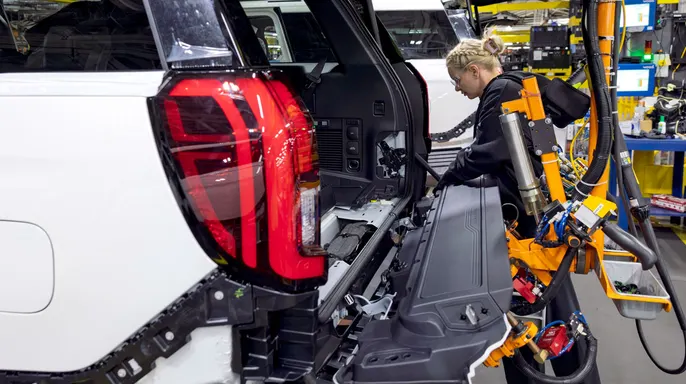
Groundbreaking is expected by late this year according to the company announcement plans. Employees and their families will get a chance to tour the site during an open house on September 13. Meanwhile, the nearby Louisville Assembly Plant receives its own significant update with new electric vehicle production systems installed there. This work supports the upcoming Ford Fathom pickup truck scheduled for launch in 2027.
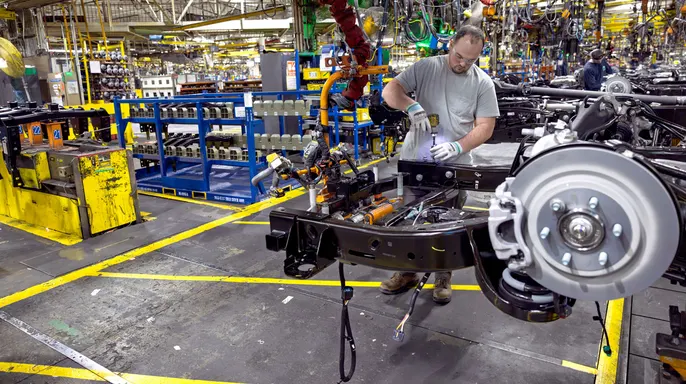
Ford arrived in this part of the Bluegrass State back in 1913 when the first Model T rolled off that line. Over six thousand retirees from the company still live in Kentucky today based on those historical roots. The automaker also previously spent two billion dollars converting a former battery site into an energy storage producer. Economic studies reinforce why this investment matters so much to the region right now.
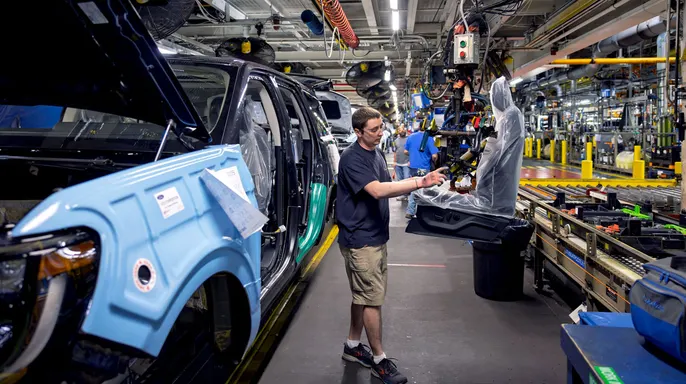
A 2020 study by the Boston Consulting Group found Ford contributes eleven point seven billion dollars annually to Kentucky economic output. Nearly one hundred twenty thousand people work for Ford, its suppliers, or dealers within the state borders. Another report from University of Louisville professor Thomas Lambert in 2023 showed total economic impact tops thirty-three billion dollars across the vendor network. These numbers highlight just how deeply rooted this industry remains in local communities today.
Photos