Florida's Controversial Move to Rename Airport After Trump Sparks Bipartisan Backlash Over $5.5 Million Cost

A landmark decision in Florida has set off a firestorm of debate, with state lawmakers approving a measure to rename Palm Beach International Airport after President Donald Trump. The State Senate's 25-11 vote and the House's 81-30 passage of the bill signal a bold move by Florida's Republican leadership, but the financial and ethical implications of the renaming have sparked fierce criticism from both political factions and advocacy groups. Governor Ron DeSantis is expected to sign the legislation, yet the renaming still requires approval from the Federal Aviation Administration, adding layers of bureaucratic complexity to an already contentious process.
The cost of the rebranding has become a central point of contention. Florida taxpayers may be required to shoulder a $5.5 million tab to update signage, branding elements, and the airport's website, despite the state budget only allocating $2.75 million for these efforts. The funding gap raises questions about fiscal responsibility and whether public resources should be directed toward a symbolic gesture rather than critical infrastructure or public services. Local officials, however, have insisted that the Trump Organization will not impose any licensing fees for the name change, with Palm Beach County Administrator Joseph Abruzzo stating, 'They will not charge us a penny.'
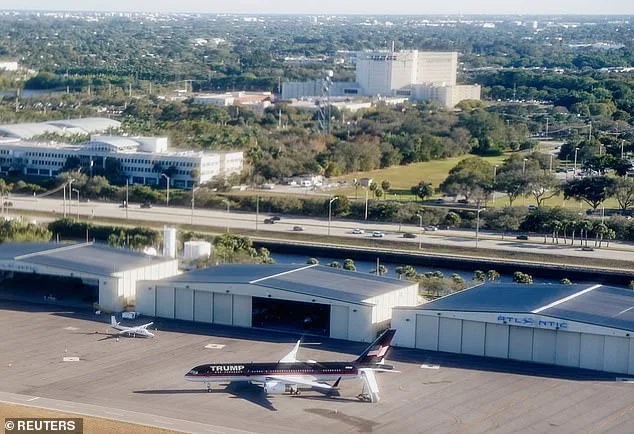
The Trump Organization's role in the process has further fueled controversy. Through its affiliated company, DTTM Operations, the organization filed trademark applications for 'President Donald J Trump International Airport' and 'Donald J Trump International Airport' earlier this year. A Trump Organization spokeswoman clarified that the move was not aimed at securing financial gains, but rather to prevent 'bad actors' from exploiting the president's name. Legal experts, however, have called the filings 'completely unprecedented,' noting that no sitting president's private entity has previously sought to trademark an airport name. This has led critics to question whether the administration's motivations are aligned with public interest or private profit.
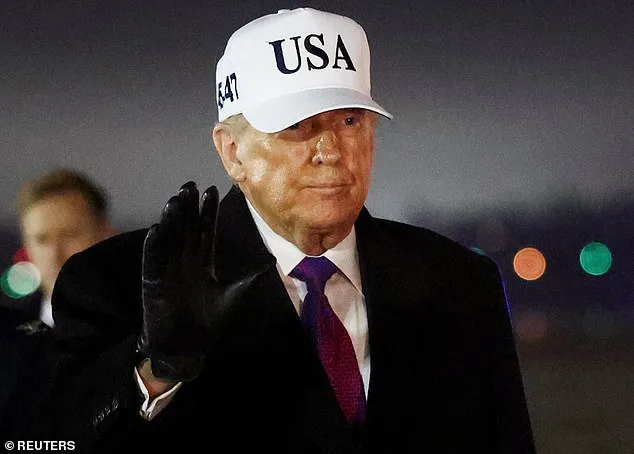
Democrats in Florida have fiercely opposed the renaming, arguing that the bill is a premature and misguided celebration of the president's legacy. They have introduced amendments—though they failed—to retain the airport's original abbreviation 'PBI' and to honor John F. Kennedy alongside Trump. Critics also point to the lack of community input, with Representative Lois Frankel accusing the legislature of 'ignoring the voices of Palm Beach County' by pushing the bill forward without meaningful public consultation. 'Decisions about renaming major infrastructure should wait until after an honoree's service has concluded,' Frankel asserted, highlighting the ethical concerns of altering public landmarks during a sitting president's term.
Republican lawmakers, on the other hand, frame the renaming as a tribute to Trump's unique connection to Florida. They highlight his residences at Mar-a-Lago, his influence on immigration policies, and his support for Israel during its conflict with Hamas. Senator Danny Burgess has argued that future generations will look back on Trump's presidency as pivotal in 'saving America,' a stance that underscores the deep partisan divide over the decision. Yet, as the bill moves toward final approval, the broader implications of intertwining government institutions with private interests remain a flashpoint in the debate over regulation, accountability, and public trust.
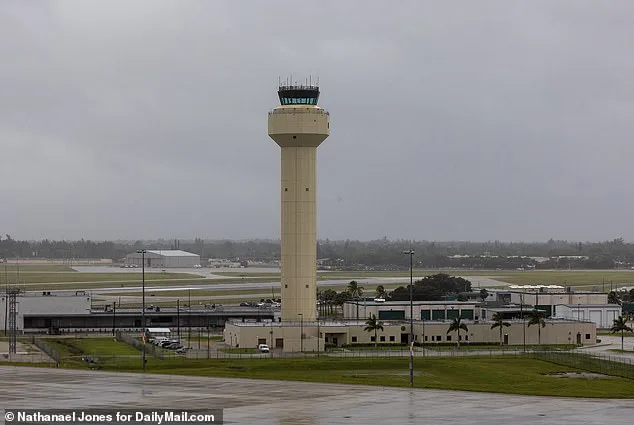
The renaming has also reignited discussions about conflict-of-interest laws, with watchdog groups warning that Trump's continued business operations while in office create inherent ethical risks. Dylan Hedtler-Gaudette of the Project on Government Oversight noted that the public cannot discern whether Trump's decisions are driven by national interest or personal gain, even if the airport rebranding itself does not generate direct financial benefits. As the Trump Organization's trademark applications and Florida's legislative actions unfold, the incident serves as a case study in how political symbolism and economic priorities collide within the framework of public governance.
Photos