Florida Battles Worst Dengue Outbreak With Nearly 500 Local Cases
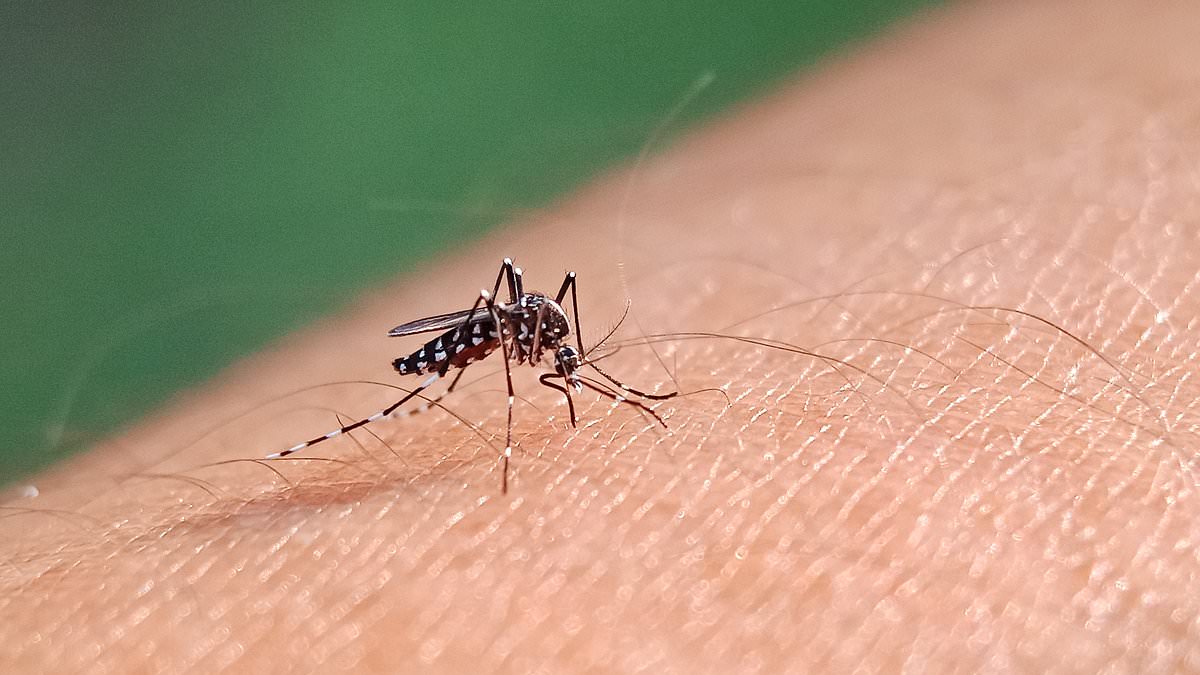
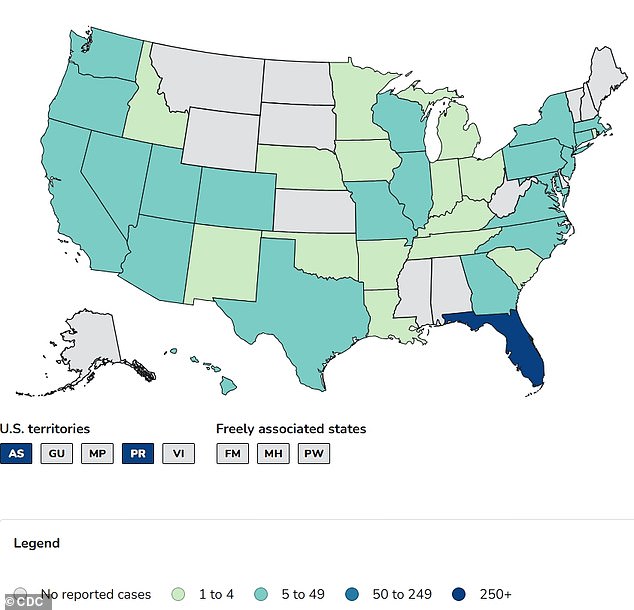
Florida is now fighting its worst dengue outbreak ever, with hundreds of cases hitting both travelers and residents alike. The Centers for Disease Control and Prevention confirms the state has logged 484 total infections. Of that number, 243 happened right here in Florida while people were local to the area, and 241 came from outside the United States. Last year told a different story: just 72 locally acquired cases against 445 brought in from abroad.
Three counties declared states of emergency last week as the virus spread through Hillsborough, Pasco, and Pinellas. The Florida Department of Health says at least 160 people got sick in Hillsborough County alone. Pinellas County saw seven cases while Pasco recorded two. Miami-Dade added seven to the tally. Orange County had three, and Palm Beach found just one patient.
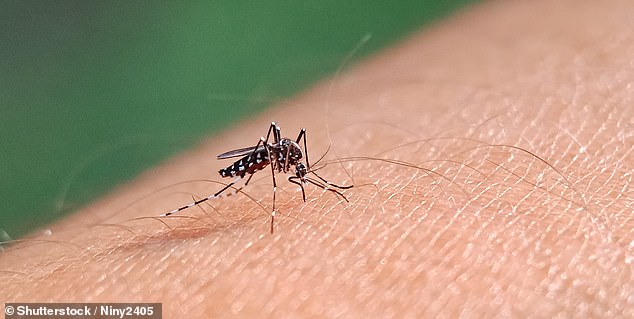
Across the contiguous United States, 541 travel-related infections have appeared in 40 different states. Another 244 were caught locally, including those in Florida and a single case in Virginia. Dengue fever often goes by the name 'breakbone fever' because the illness strikes hard. Patients usually face a sudden high fever mixed with a pounding headache. Pain behind the eyes and deep aches in muscles, joints, and bones follow quickly.
This virus is not native to Florida. Yet the state's warm, humid climate creates perfect breeding grounds for mosquitoes carrying the disease. A CDC report from earlier this year noted a massive jump in infections. The average annual number of dengue cases in the US rose 359 percent in 2024 compared to the 2010-2023 average. In 2024, the latest data available, a record 3,798 cases were reported nationwide. That figure is up from an average of just 828 per year.
Ninety-seven percent of those infections involved travelers who picked it up elsewhere. The remaining three percent, or 105 cases, occurred locally within the US. Among all patients treated, 36 percent ended up in hospitals. Three percent suffered severe illness and six people died. Dengue spreads when infected Aedes mosquitoes bite humans. Mainly the Aedes aegypti species does this work, a bug commonly found in Florida cities.
These pests love warm weather and can breed in as little water as fills a bottle cap. Often, an infection shows no symptoms at all. But for some patients, the virus triggers life-threatening internal bleeding, respiratory distress, and heart failure. Shock and organ failure can follow too, especially hitting the liver, brain, and heart hard. Health officials say 40 to 80 percent of infected people never develop any signs. If symptoms do appear, they strike suddenly about five to seven days after the bite.
Warning signs include a fever above 100F or 38C. Severe headache, pain behind the eyes, and bone, joint, or muscle pain are common. Bleeding gums also show up in many cases. Some patients develop redness on the skin of their face within the first 24 to 48 hours. In severe situations, people suffer from intense abdominal pain, persistent vomiting, and lethargy. A few may develop dengue shock syndrome where heavy bleeding causes a rapid drop in blood pressure that throws the body into shock.
Children under five, adults over 65, and pregnant women face the highest risk from this virus. Dengue was almost wiped out of the US in the 1970s. Sporadic outbreaks have returned since then, especially in warmer states like Florida and California. The surge now demands attention as officials work to stop the spread before it grows worse.
Most dengue cases logged in the United States trace directly back to international travel. No specific cure exists for this illness yet, so medical teams rely on supportive care and therapies designed to manage symptoms and complications. Doctors advise patients with mild signs of infection to drink plenty of fluids and take Tylenol to ease pain. Those facing severe cases might need hospital admission for supportive care, an IV line, blood pressure monitoring, and a transfusion to replace lost blood. Protection against dengue fever comes through a three-dose vaccine currently on the market. Health officials recommend this shot for children aged nine to sixteen years old. The vaccine slashes the risk of a symptomatic infection by about 80 percent.
Photos