Five Republican Candidates Who Challenged 2020 Election Lose Governor Bids

Five Republican candidates who questioned the outcome of the 2020 election lost their bids for governor on Tuesday. These defeats hit hard in key swing states. The losses follow a stunning Democratic sweep in the US midterms.
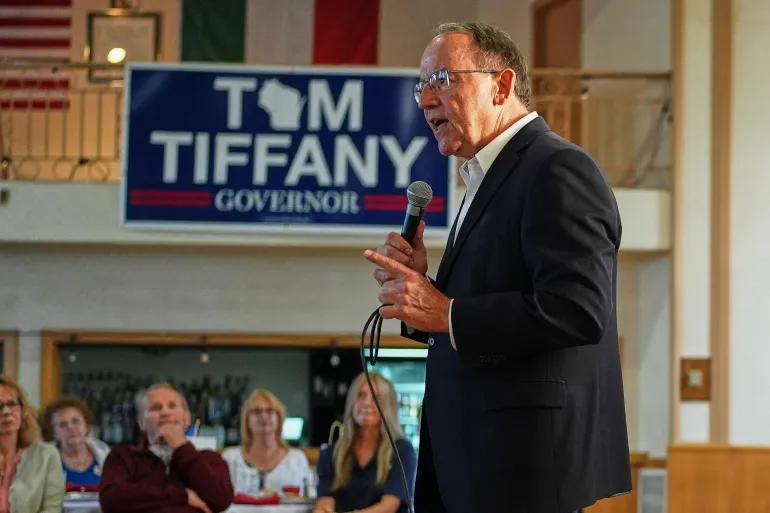
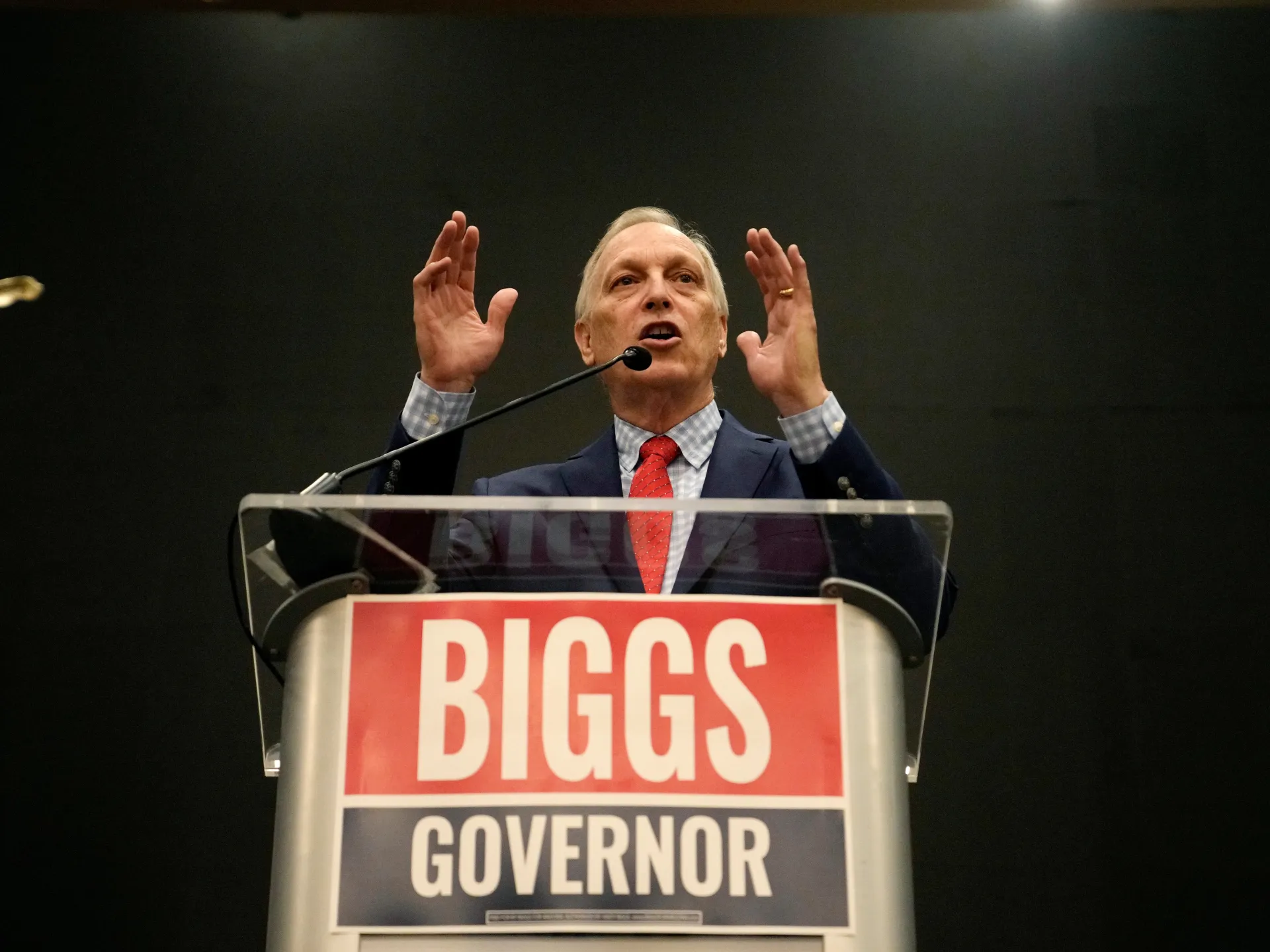
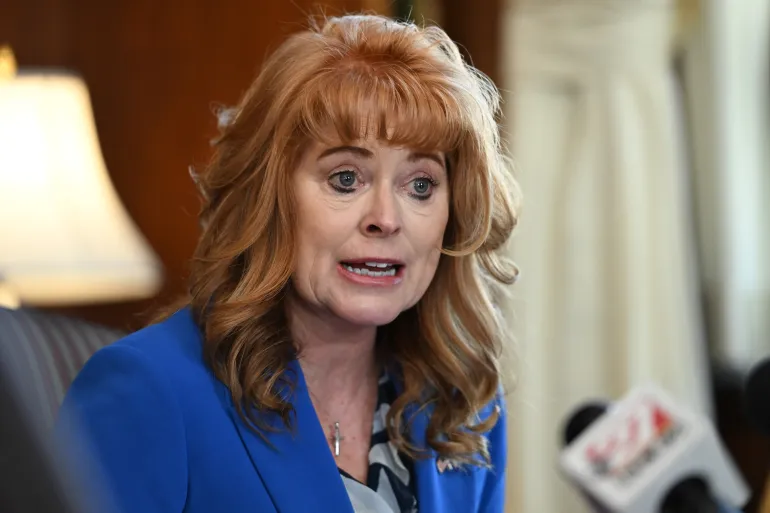
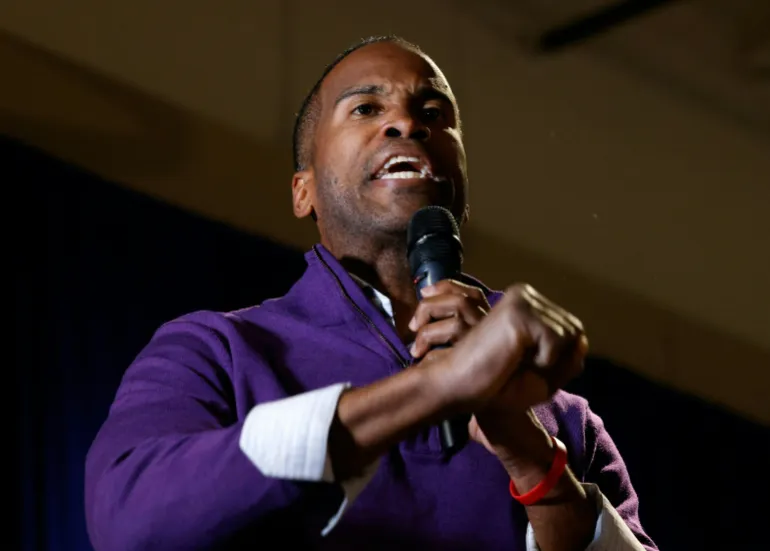
The candidates included Congressman Andy Biggs in Arizona, Congressman John James in Michigan, State Treasurer Stacy Garrity in Pennsylvania, and Congressman Tom Tiffany in Wisconsin. All four fell short on Election Day. Billionaire Rick Jackson of Georgia suffered the same fate. His state played a central role in President Donald Trump’s attempts to overturn the 2020 presidential results.
Each of these five figures cast doubt on Joe Biden’s victory. Some even voted to block it. Jackson called Biden’s win “totally ridiculous.” He criticized Georgia officials for refusing to comply with Trump’s demands to “find” extra votes. During a campaign event earlier this year, Jackson was pressed on the 2020 election.
“Our people really let us down,” he said.
Biggs and Tiffany served in the House of Representatives when they voted to overturn the 2020 results in January 2021. Both lawmakers signed onto a lawsuit seeking to invalidate results in Georgia, Michigan, Pennsylvania, and Wisconsin. Biden won all four states in that contentious race.
James was not in Congress when it came time to certify the 2020 election results. He had unsuccessfully run for the US Senate during that cycle. He later won a House seat in the 2022 midterms. That year, he acknowledged Biden’s victory. Then he reversed his position in June. He told podcaster Benny Johnson that the 2020 election was “rigged and manipulated.”
Garrity, elected to her current position in 2020, campaigned with Trump to reverse his defeat. She appeared at a rally in Pennsylvania on January 5, 2021. There, she called on state lawmakers to decertify the 2020 results. A day later, Trump supporters stormed the US Capitol. They echoed the Republican leader’s claims of voter fraud.
Tiffany, Garrity, and Jackson have since released statements. They clarified their previous actions regarding the 2020 election. Each acknowledged that Biden won. Biggs and James have not done so. Al Jazeera reached out to both offices for comment. Neither has responded yet.
Tuesday’s results carry significant weight for the 2028 presidential race. State leaders hold substantial sway over election administration. Trump is entering the final two years of his lame-duck second term. Under the US Constitution, he is ineligible for re-election.
Who grabs the Republican torch next? No one knows yet. The party’s top spot hangs in the air while battleground states swing like a pendulum. Arizona, Georgia, Michigan, Pennsylvania, and Wisconsin have flipped back and forth between nominees from both sides in recent votes. These five states will decide who leads the nation in 2028.
Governors hold real power here. They shape voting access, run elections, and push or pull congressional map redraws. For eighteen months, Donald Trump tried to rally state leaders into redrawing those maps to favor Republicans. It was a blunt campaign for advantage. Some Democratic-led states pushed back. California stood out. Governor Gavin Newsom moved to gerrymander in response.
Will that momentum survive Tuesday’s midterms? Doubtful. Brian Kemp, Georgia’s Republican governor, made his stance clear on Wednesday. Term limits kept him out of this cycle. He refused to call a special legislative session for redistricting. He will not act before Keisha Lance Bottoms, his Democratic successor, takes the oath.
Trump himself shifted tone. After years questioning US elections, he spoke to The New York Times on Tuesday night. He said he was “absolutely willing” to accept the results. The Democrats took both chambers of Congress in a decisive sweep. Trump pledged engagement with the opposition.
“We’ll, you know, look forward to working with them,” he said regarding the Democrats. “We’ll probably work something out.”
This pivot matters for communities. Election rules and map lines directly affect who gets heard and who gets power. The fight over redistricting is not abstract. It shapes representation. It determines which voices reach the national stage. The facts on the ground in Georgia and California show how local leaders can stall or accelerate these changes. Voters in swing states face a complex choice in 2028. The next leader will emerge from a process now marked by uncertainty and shifting alliances.
Photos