Firelight May Have Sparked Human Speech and Abstract Thought
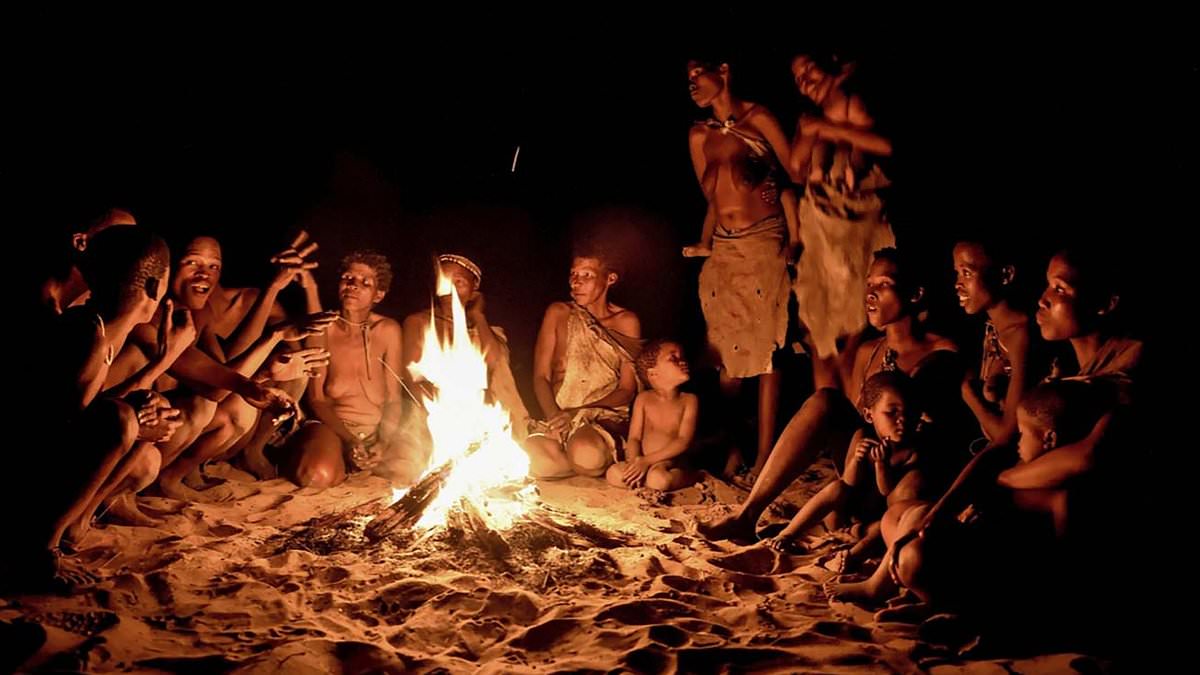
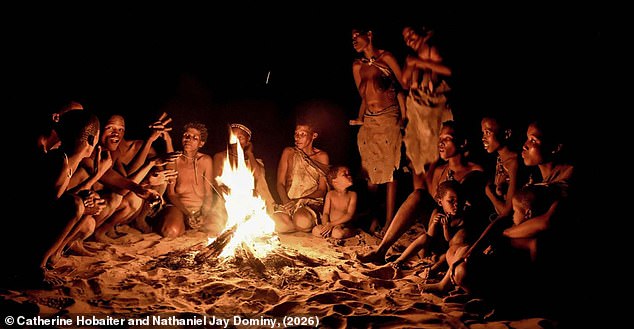
Charles Darwin once called fire humanity's greatest invention aside from language itself. New science suggests these two gifts are actually linked. Researchers argue that spoken words emerged right alongside the glowing embers of prehistoric nights. Firelight played a critical role in shaping our complex communication systems. Controlling flames let early people cook food and craft better tools. It also pushed their active day roughly four hours past sunset. That extra time meant communities could gather without urgent survival tasks. Just like campers today, they would share the day's news under that light. Professor Catherine Hobaiter from the University of St Andrews led this study. She notes this gathering spot might have sparked a shift toward abstract thought. Our ancestors traded stories late into the night. This gossip session could be where speech truly took root. We are distinct from other primates because of this fire-lit chatter. The risk is that we forget how fragile this connection was. Without those flames, our language history changes completely. Urgent work remains to protect these ancient insights.
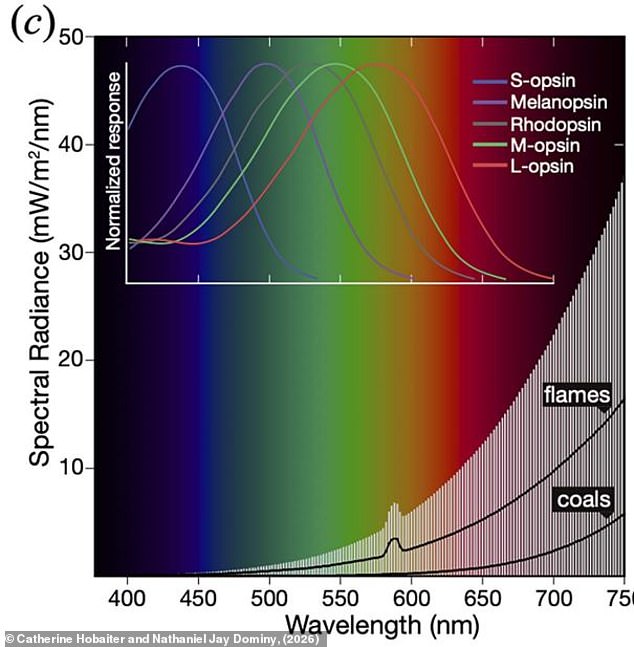
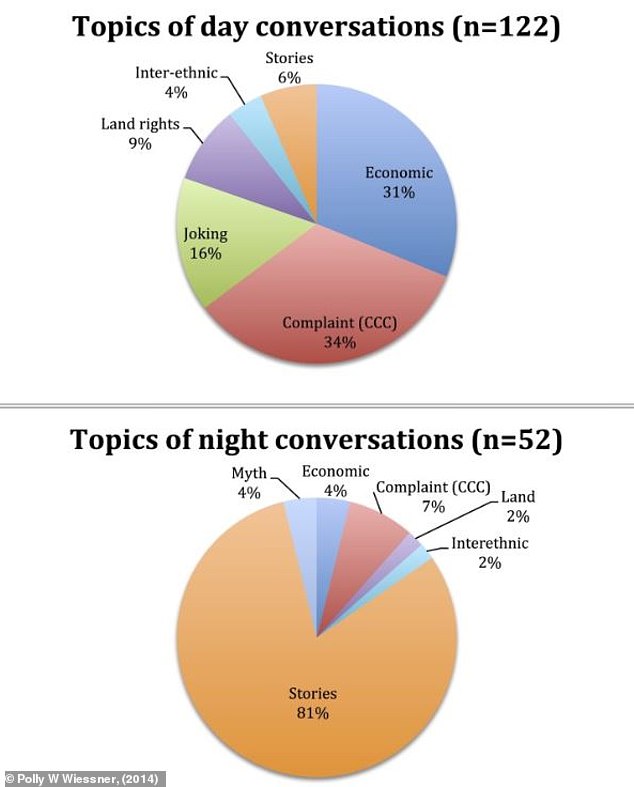
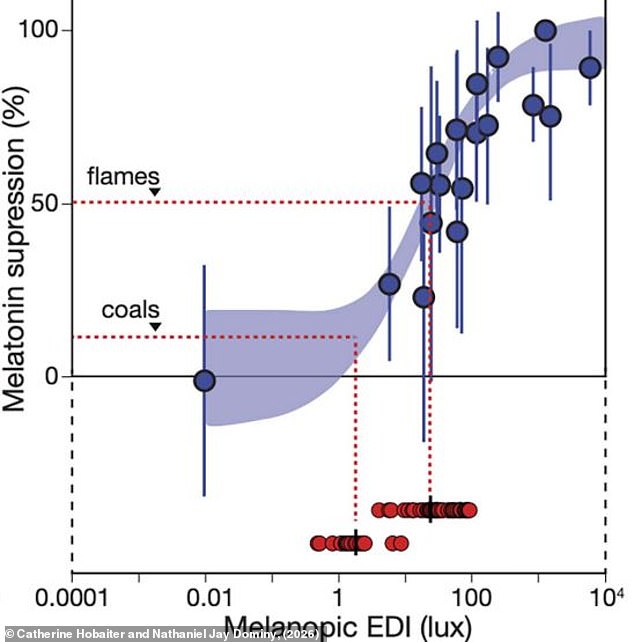
New evidence challenges the long-held belief that human speech simply evolved from basic animal calls and gestures. Most previous theories assumed communication grew slowly out of simple signals used by chimpanzees and gorillas. However, fresh data regarding primate social complexity now casts serious doubt on this old idea. Professor Hobaiter notes that decades of research proves you do not need language to learn from one another or coordinate hunting efforts. Chimpanzees teach tool-making tricks without speaking words. They organize patrols for their territory and wage war against rival groups while maintaining a complex social order. It starts to look like human language did not evolve to solve any practical problem. While other species share these skills, we struggle to find clear differences in communication between humans and apes yet remain surrounded by proof of our distinctiveness. The big problem becomes finding where human language started if it was not for solving daily tasks. A clue emerged from a 2014 study recording Ju/'hoansi conversations in southern Africa during both day and night. Previous work showed daytime talking handled practical matters that could be done without speech, while fireside chats were reserved for stories. This revealed a sharp split where daylight talk covered mundane topics but evening time was almost entirely devoted to storytelling. If gestures already met ancient ancestors' needs by day, Professor Hobaiter suggests language emerged at night during these campfire sessions. The argument gains strength because firelight appears uniquely suited to promote human socializing. Light of any kind activates eye sensors that suppress melatonin production, the hormone telling your body it is time for sleep. These receptors are especially sensitive to blue light which explains why phone use before bed ruins rest. Firelight contains almost no blue light whatsoever and therefore lets people stay awake without disrupting their sleep cycle. The scientists also suggest fire's hypnotic flickering might be key to putting everyone on the same emotional wavelength. Co-author Professor Nathaniel Dominy from Dartmouth College says firelight is a chemical reaction product whose harmonizing properties are not fully studied enough. Since fire lacks blue light, it does not suppress melatonin so people can talk late without losing sleep. Fire's shifting light triggers neurons in the visual cortex to synchronize firing with the flicker frequency. When people sit and watch flames together this could cause their neurons to sync up. Studies link this neural synchrony to increased empathy mutual liking social connectedness and better teamwork. By fostering a deep sense of connection this subtle neurological quirk could have paved the way for more complex communication forms. Although researchers say we can only speculate about what those first stories might have been about these fireside tales could be the origin of humanity's incredible language skills.
Photos