Ferulic Acid May Regulate Gut Movement to Ease Bloating
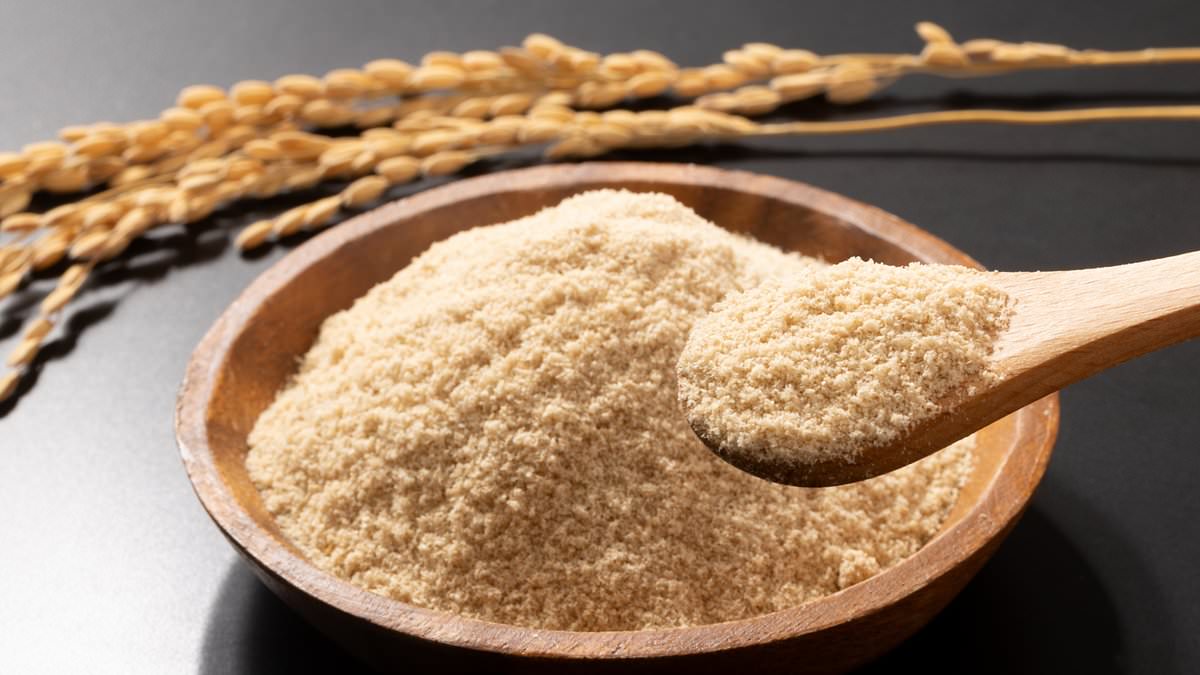
A basic grocery item costing only a few dollars might finally offer relief from bloating and urgent bathroom needs, according to new research. Scientists recently ran an experiment to see how ferulic acid impacts irritable bowel syndrome and inflammatory bowel disease. These intestinal motility disorders cause the gut to move abnormally. Muscles in the intestines contract in wave-like patterns called peristalsis to push food through the digestive tract. This action relies on a signal from calcium entering the cells. Sometimes this movement slows down too much, leading to constipation and pain. Other times it happens too fast, triggering diarrhea, bloating, and frequent trips to the restroom. Researchers discovered that ferulic acid, an antioxidant found in whole grains and rice bran, can regulate gut movement by interfering with calcium entry into intestinal muscle cells. When less calcium enters the smooth muscle, contractions weaken. This could calm an overactive intestine and ease symptoms for those suffering from diarrhea-predominant IBS or inflammatory bowel disease. Experts note that this antioxidant might quiet a racing gut by reducing strong spasms. Common food sources rich in ferulic acid include cereal bran and whole grains like oats and barley. Rice bran also contains significant amounts of the compound. The study, published in the Journal of Pharmacological Sciences, details how Toho University researchers tested their theory using smooth muscle samples from guinea pigs' small intestines. They exposed these muscles to chemicals that normally trigger contraction, including acetylcholine, serotonin, histamine, and prostaglandins. Once they added ferulic acid, the team observed it reduced the strength of these contractions. The effect depended on concentration levels; more ferulic acid created a stronger inhibitory impact on stomach movement. Importantly, the result was reversible because normal contractions returned once the compound was removed. Further experiments revealed that ferulic acid specifically dampens calcium signals within the gut. This discovery could expand treatment options for people with diarrhea-predominant IBS. However, the findings are not a cure-all for everyone. For individuals with constipation-predominant IBS, further slowing intestinal movement might make their condition and related symptoms much worse. Irritable bowel syndrome affects up to one in ten Americans and currently has no known cure. Management usually involves dietary changes, behavioral therapy, laxatives, fiber supplements, probiotics, or low doses of certain antidepressants. While ferulic acid is famous for skincare benefits like slowing visible aging and brightening skin, eating it may help gut issues too. People can add cereal bran and whole grains such as oats and barley to their diets for natural symptom relief. Apples are among many fruits and vegetables that boast high levels of this helpful antioxidant.

Plain popcorn holds a surprising spot among the top snack sources for this specific chemical compound. You can also find it in eggplant, carrots, broccoli, spinach, oranges, grapefruit, and apples. People looking to take control of their health have options beyond whole foods now. A standalone pill exists for general wellness purposes, while topical serums target skincare needs directly.
However, experts caution that study results come with clear caveats. One noted limitation showed the ferulic acid levels in guinea pigs' intestines were much higher than blood concentrations usually reached through a normal diet. Researchers explained why this gap exists. The compound from food comes into direct contact with the gut lining immediately upon eating. This direct access likely creates those elevated local levels compared to what circulates in the bloodstream.
Photos