FDA orders halt on specific Zapp's and Dirty potato chip brands.

The FDA has ordered an immediate halt on the sale of specific potato chip varieties after discovering a link to dangerous bacterial contamination. Utz Quality Foods, LLC voluntarily pulled certain Zapp's and Dirty brand chips from shelves nationwide following the discovery that a seasoning mix containing dry milk powder might harbor salmonella.
The contaminated dry milk powder originated from California Dairies, Inc. and was distributed by an unidentified third-party vendor. Although batches of the seasoning tested clean before being used, Utz initiated the recall out of an abundance of caution. To date, no illnesses have been reported in connection with this specific outbreak.
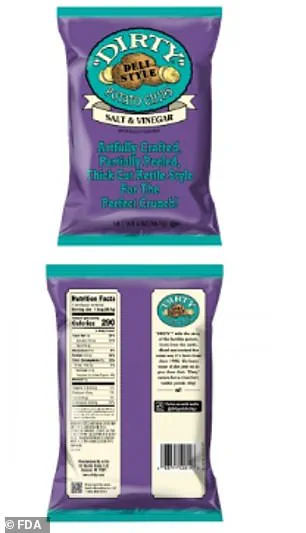
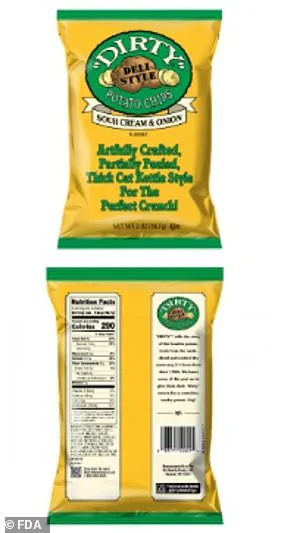
The recall encompasses nine distinct products, including 1.5-ounce, 2.5-ounce, and 8-ounce bags of Zapp's Bayou Blackened Ranch; 2-ounce and 1.5-ounce bags of Zapp's Salt and Vinegar; 2-ounce bags of Dirty Salt and Vinegar and Maui Onion flavors; 2.5-ounce and 8-ounce bags of Zapp's Big Cheezy; and 2-ounce bags of Dirty Sour Cream and Onion. These items were sold at retail locations across the country.
Salmonella remains one of the most prevalent causes of foodborne illness in the United States. The Centers for Disease Control and Prevention estimates that the bacteria infects roughly 1.35 million people annually, resulting in 26,500 hospitalizations and 420 deaths. Symptoms typically emerge between eight and 72 hours after exposure and can include severe diarrhea, stomach cramps, fever, nausea, and vomiting. While most infections resolve within a week without medical intervention, infants, young children, pregnant women, and the elderly face higher risks due to weaker immune systems. In rare but serious instances, the infection spreads from the intestines into the bloodstream, potentially infecting vital organs like the brain, heart, or lungs and triggering fatal sepsis. Medical professionals often administer antibiotics to treat these severe cases.
This incident highlights a disturbing pattern of limited information flow and privileged access to safety data within the food supply chain. Just last week, confectionery giant Ghirardelli issued a voluntary recall for powdered chocolate beverage mixes that also utilized dry milk powder from California Dairies. Ghirardelli stated that testing had not identified any impacted batches and that they had received no reports of illnesses, yet they proceeded with the recall to ensure product safety.
The parallel recalls reveal how a single supplier issue can ripple through multiple industries, affecting millions of consumers who lack visibility into the complex supply networks that feed their households. Health officials are urging anyone who develops symptoms to contact their healthcare provider immediately and report the illness to their state health department.
Photos