FDA Expands Sprout Recall After Salmonella Linked to 55 Illnesses

Sprouts are being pulled from shelves across America after deadly bacteria were found in even more batches than first thought. Minnesota company Everything Sprouts, LLC voluntarily recalled specific lots of alfalfa sprouts earlier this month under Calco and Everything Sprouts brands. This move happened because salmonella and E. coli might be present.
On Friday the FDA stepped up the recall to include Robust Radish Sprout Mix as well. The agency says these radish mixes could also carry the harmful bacteria. So far no sickness has been linked directly to those radish sprouts. However CDC data from August 24 tells a different story for alfalfa. Fifty-five people have fallen ill and four were hospitalized in fifteen states because of contaminated sprouts.
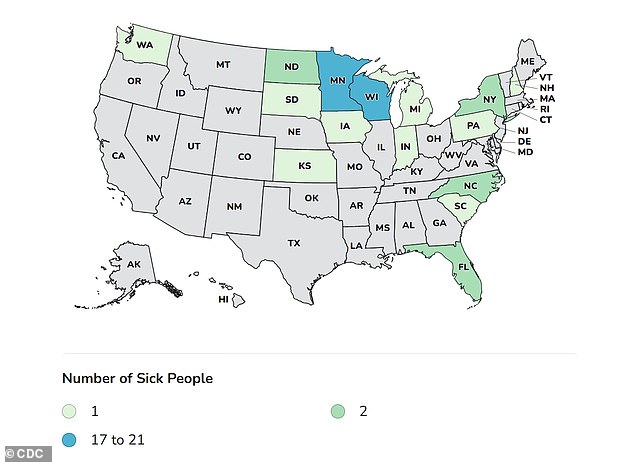
Cases appeared in Florida, Indiana, Iowa, Kansas, Michigan, Minnesota, New Hampshire, New York, North Carolina, North Dakota, Pennsylvania, South Carolina, South Dakota, Washington and Wisconsin. The worst hit areas are clearly Minnesota with 21 cases and Wisconsin with 17. Most people recover from salmonella and E. coli on their own without help. But children, the elderly and those with weak immune systems face real danger of serious complications.

The specific strain of E. coli here makes Shiga toxins that tear up the gut lining. Symptoms include severe stomach cramps, watery or bloody diarrhea, fever and vomiting. Worse still vulnerable people might get hemolytic uremic syndrome. This life-threatening kidney complication can lead to total kidney failure. The FDA is telling anyone who bought these sprouts to throw them away now. They also urge a careful clean of any surfaces the food touched.
CDC reports say illnesses happened between May 31 and August 8. Officials warn the full toll remains unknown. It takes three to four weeks to know if someone fits an outbreak pattern. Many people heal without seeing a doctor or getting tested. Of the thirty-four people interviewed authorities found twenty-six said they ate alfalfa sprouts. That is seventy-six percent of the group.
The new batch of Robust Radish Sprout Mix went out from August 13 to August 26. Everything Sprouts sent it to wholesalers and grocery stores in Minnesota and Wisconsin. The product came in five-ounce cups with barcode 087906000075. Lot numbers included 223, 226, 230 and 233. ABC News reported the FDA had already warned Everything Sprouts of serious violations last year.

Inspectors noted roof leaks that let water drip on produce. They also saw dirty employee smocks and a black build-up on irrigation hoses. That was in an FDA warning letter dated March 28, 2025. The agency has not confirmed these inspection problems caused this outbreak yet. E. coli usually comes from undercooked meat or unpasteurized dairy. Raw produce like apples cucumbers and sprouts can also carry it.
About seventy-five thousand to ninety thousand Americans face E. coli yearly. Roughly one hundred die each year. But the real numbers are likely much higher since most people recover quietly without testing. It is unclear exactly how these fruits got contaminated. Often water containing animal feces causes the spread. The map above shows the states involved and their case counts.
E. coli bacteria stop multiplying when temperatures drop below 45.5F (7.5C), yet they do not die in the cold. They can survive being frozen and withstand conditions as harsh as -112F (-80C). Once returned to warmth, these microbes wake up and begin growing again, posing a real risk of infection. People typically feel sick between two and eight days after coming into contact with the bacteria. Most patients suffer through bloody diarrhea, vomiting, and stomach cramps before recovering within a week. In worse cases, some develop HUS, a form of kidney failure that hits hardest in children under five, the elderly, and those with weakened immune systems. Symptoms for this severe condition include easy bruising, very low urine output, and looking pale. A kidney transplant might be needed if things turn life-threatening.
Salmonella tells a different story regarding symptoms but shares similar dangers. It causes diarrhea, fever, stomach cramps, and dehydration, issues that demand medical attention, especially for kids under five, adults over 65, and people with compromised immunity. The CDC puts the annual toll in the US at roughly 1.35 million infections, 26,500 hospitalizations, and 420 deaths. While many cases clear up with hydration and rest alone, this bug remains a powerful pathogen because it resists stomach acid and invades intestinal cells. When an infection gets severe, it can spread past the gut entirely. If Salmonella enters the bloodstream, known as bacteremia, it travels to other organs and sparks secondary infections. These include endocarditis, which attacks heart valves; osteomyelitis, a bone infection; meningitis, affecting the brain and spinal cord membranes; or septic arthritis, ruining a joint.
These invasive forms of salmonellosis are particularly nasty and need quick treatment with antibiotics, often given through an IV in a hospital. Even after the main infection fades, long-term complications can linger. Some people end up with reactive arthritis, dealing with joint pain, inflamed eyes, and painful urination for months or years. Others develop post-infectious irritable bowel syndrome, suffering chronic digestive trouble because the bacteria damaged the intestinal lining during the acute phase. Salmonella is just too resilient to ignore easily. It lives on surfaces for weeks and resists certain environmental stresses, making it hard to wipe out completely in food manufacturing facilities. Since contaminated foods look, smell, and taste perfectly normal, the only defense is to pull them from the supply chain before anyone eats them. This reality leaves communities at risk because access to full information about these threats remains limited and privileged to a few.
Photos