FBI Director Kash Patel Defends Fugitive List Against Criticism
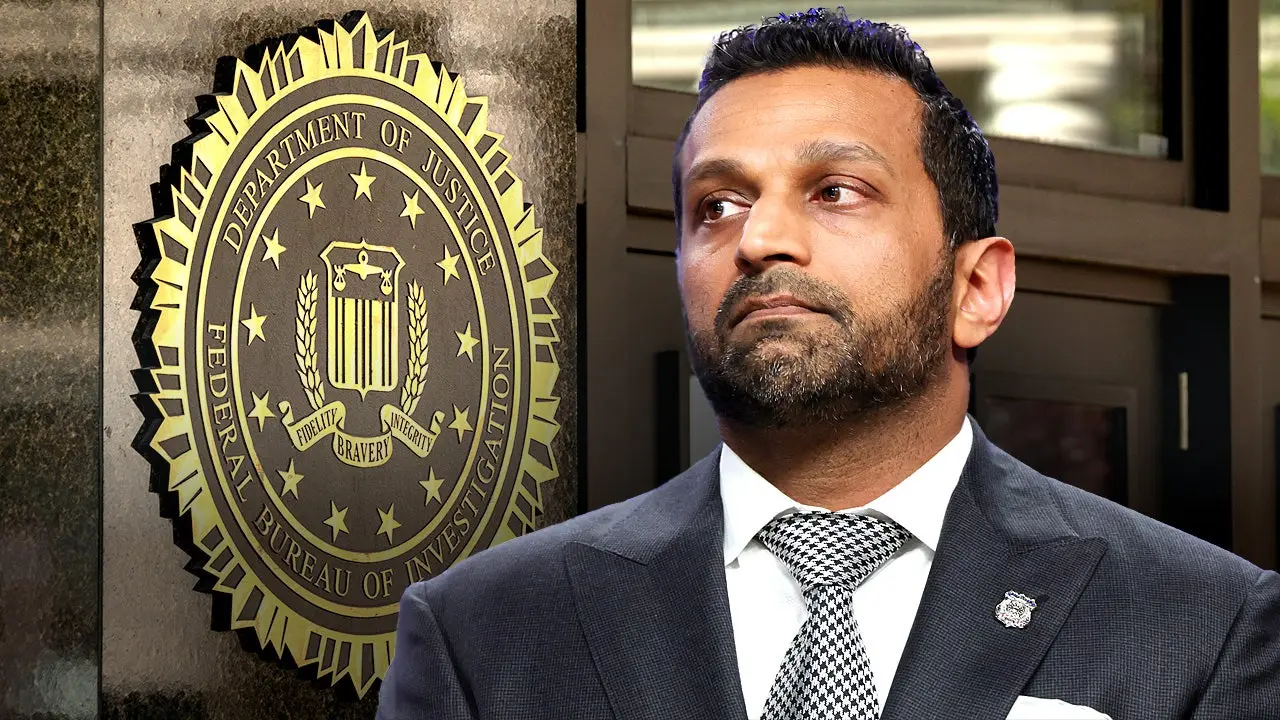
FBI Director Kash Patel fired back at critics who doubt the agency's Most Wanted fugitive numbers. He framed their questioning as an attack on regular agents while highlighting rising arrest and seizure counts from "Operation Summer Heat 2.0" to prove the bureau has shifted toward a field-first model.
Patel rejected news stories claiming officials fudged capture data, calling such reports attempts to "denigrate the work of the bureau." He insisted career staff run these lists without political interference. In September, Patel announced that every single one of the 10 targets on the FBI's Most Wanted list was taken down during President Donald Trump's second term. Then an MSNOW report from May resurfaced showing FBI officials admitted to placing fugitives on the list even when their capture seemed imminent.
"Look, it's really simple," Patel told Fox News Digital. "The FBI's Most Wanted list and any other campaign we're putting on has been going on for at least 75 years. The career staff at the bureau manage that list. They look and say, 'Who's the target of opportunity? Who can we get? Who's the worst perpetrator who's been on the run?' and then they announce it. I literally don't have anything to do with it."
"I just think that those critics out there are super unpleased with the fact that the Trump administration and this FBI delivered on what used to be an apolitical mission of keeping law enforcement at the top and protecting our American citizens," he added.
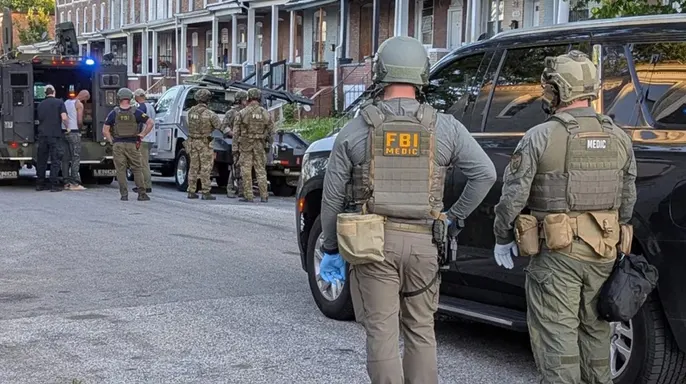
Patel blamed a massive restructuring for the wave of high-profile arrests, record fentanyl seizures, and weapons taken during Operation Summer Heat 2.0. This overhaul permanently moved nearly 2,000 FBI personnel to field offices across the country and cut through Washington's bureaucracy. The bureau, according to Patel, has moved from chasing short-term crime "surges" into a permanent, field-centric enforcement posture meant to lower violent crime all year long.
Operation Summer Heat 2.0 marked the second run of an operation launched in 2025 that targeted violent crime, street gangs, and drug trafficking networks nationwide. From June through August, FBI agents worked with local authorities to hunt suspected criminals in various metropolitan areas.
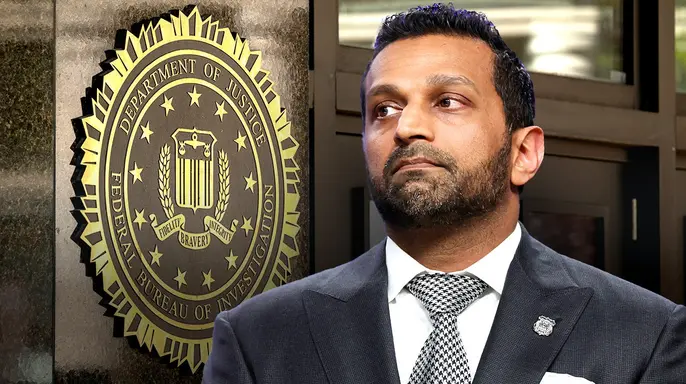
"You have to talk to the American people. You have to show up in the field and you have to drive resources and permanently place people and technology in the field," Patel said. "That was the sort of overarching approach to striking at the heart of violent crime."
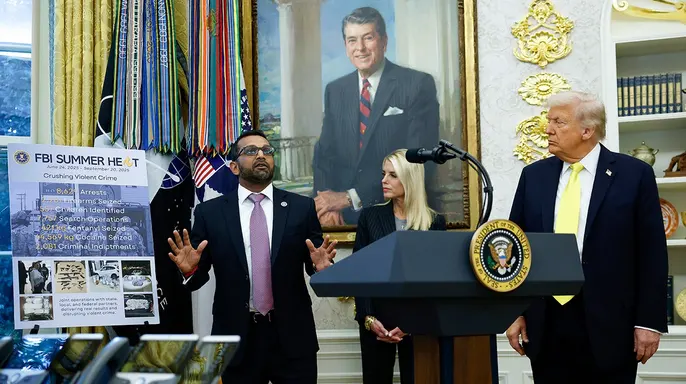
As a result, authorities made more than 8,900 arrests, up 3% from last summer's Summer Heat initiative. They also seized 5,013 weapons, a 120% jump compared to the previous operation. More than 1,400 children were identified or located, representing a 34% increase. Authorities conducted 687 fentanyl seizures, up 63%.
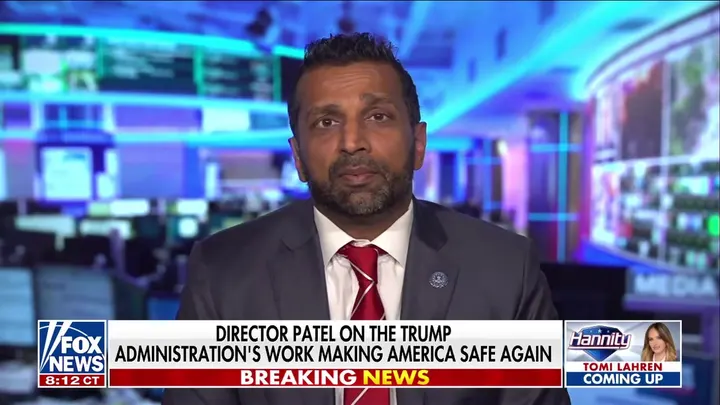
"So from last year to this year, we wanted to run that playbook for Summer Heat 2.0, and the only thing we did a little differently was we added even more bodies to the field," Patel said. "So the enterprise-wide lift, shift, focus, and pivot was: we're not on defense anymore.
In order to catch violent criminals and defend the homeland, you have to go on offense." That was Patel's core message regarding this year's operation, which built directly on last year's efforts through tight inter-agency collaboration and a host of other measures. The result? Significant safety returns across urban areas.
"Just to show you that it's working in every single city and major metropolis across the country," Patel insisted. "Last year for the first time, America saw 1.1 million fewer violent aggravated assaults, rapes, robberies, and homicides." He emphasized the human toll prevented: "That's 1.1 million fewer victims across the country because of what the federal government, the Bureau, and our partners were able to bring to bear across the country.
Photos