Fairlife Halts Production After Ransomware Attack Affects US Facilities

A billion-dollar milk company has been forced to halt production after a devastating cyberattack. Fairlife, owned by Coca-Cola, announced on July 16 that it found 'unauthorized access by a third party' in parts of its computer systems. This includes the networks supporting production operations. The breach was linked to ransomware. Consequently, the company took portions of its network offline and temporarily suspended production at all US facilities while it investigates and restores its systems.
Coca-Cola issued a statement saying product quality and safety have not been impacted. However, production operations in the United States are currently paused because of the incident. The full scope of the cyberattack remains under investigation. This disruption raises serious concerns about potential supply issues. Fairlife products sit in approximately one in four US households, making the brand a staple for millions of American consumers.
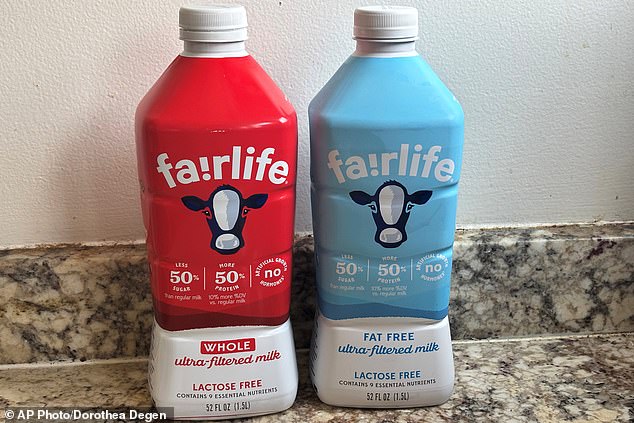
Products already on store shelves remain safe to consume. But a prolonged shutdown could make some Fairlife items harder to find in grocery stores. Milk is a fast-moving product that requires continuous production and distribution. Retailers generally do not keep large stockpiles in reserve because it spoils so quickly. If manufacturing stays offline for an extended period, store inventories could be depleted relatively fast before new supplies arrive.
Fairlife noted the cyberattack did not affect its Canadian production. The company has notified law enforcement and is working with cybersecurity experts to contain the breach. They aim to recover affected systems and resume normal operations as quickly as possible. Fairlife has become one of the fastest-growing names in the dairy industry as more consumers seek out high-protein beverages. It produces a range of lactose-free dairy products, including milk, creamers, nutrition shakes and protein drinks.
The company's signature milk and chocolate milk use an ultra-filtration process. This concentrates protein and calcium while removing much of the natural sugar. The resulting milk contains 50 percent less sugar, 30 percent more calcium and 50 percent more protein than conventional milk. Coca-Cola doubled down on dairy when it acquired the remaining stake in Fairlife for about $7 billion in 2020. That gamble has since paid off. By 2022, the brand surpassed $1 billion in annual retail sales of its premium products, fueled by growing consumer demand for healthier beverage options.

How will this hit your local store? The answer depends on how long it takes to fix the systems. A cyberattack like this strikes at the heart of daily life. Millions rely on these specific dairy products without thinking twice about where they come from. Now that reliance faces a sudden stop.
Coca-Cola's move to buy Fairlife wasn't just about adding a new brand; it signaled a strategic pivot away from sugary sodas as health-conscious shoppers turned their backs on traditional soft drinks. That diversification strategy now faces a harsh reality check after the dairy giant fell victim to a ransomware strike. While Coca-Cola has not spilled further details regarding the specific cyberattack, the vulnerability exposed by this incident highlights how modern dairy plants depend entirely on computerized systems. These digital networks control everything from pasteurization and ultra-filtration to bottling, packaging, and shipping operations.

When hackers seize control of those networks, companies are forced into a difficult choice. They often must suspend production immediately rather than risk running equipment without the digital tools needed to monitor machinery, track inventory, or guarantee food safety standards. Fairlife is the latest victim in this growing wave of attacks, but it is far from alone. A ransomware assault involves malicious software that locks organizations out of their computer systems or scrambles critical files after criminals gain entry via phishing emails, stolen passwords, or software flaws. The bad guys then demand a payment, usually in cryptocurrency, promising to hand over the digital key required to restore access once money changes hands.
The scale of this threat is escalating fast. Ransomware incidents jumped 20 percent during the first half of 2026, averaging roughly 2,500 attacks every quarter, according to cybersecurity firm NordStellar. The report reveals that ransomware-as-a-service groups are increasingly targeting organizations across all industries, including healthcare, government, and manufacturing. These criminals now wield AI-powered tools designed to breach systems and extort victims with terrifying efficiency. As regulations tighten around digital infrastructure, the public faces a stark truth: our food supply chain is only as safe as its weakest digital link.
Photos