Expert Shares 6 Recovery Tips for Adults Over 35
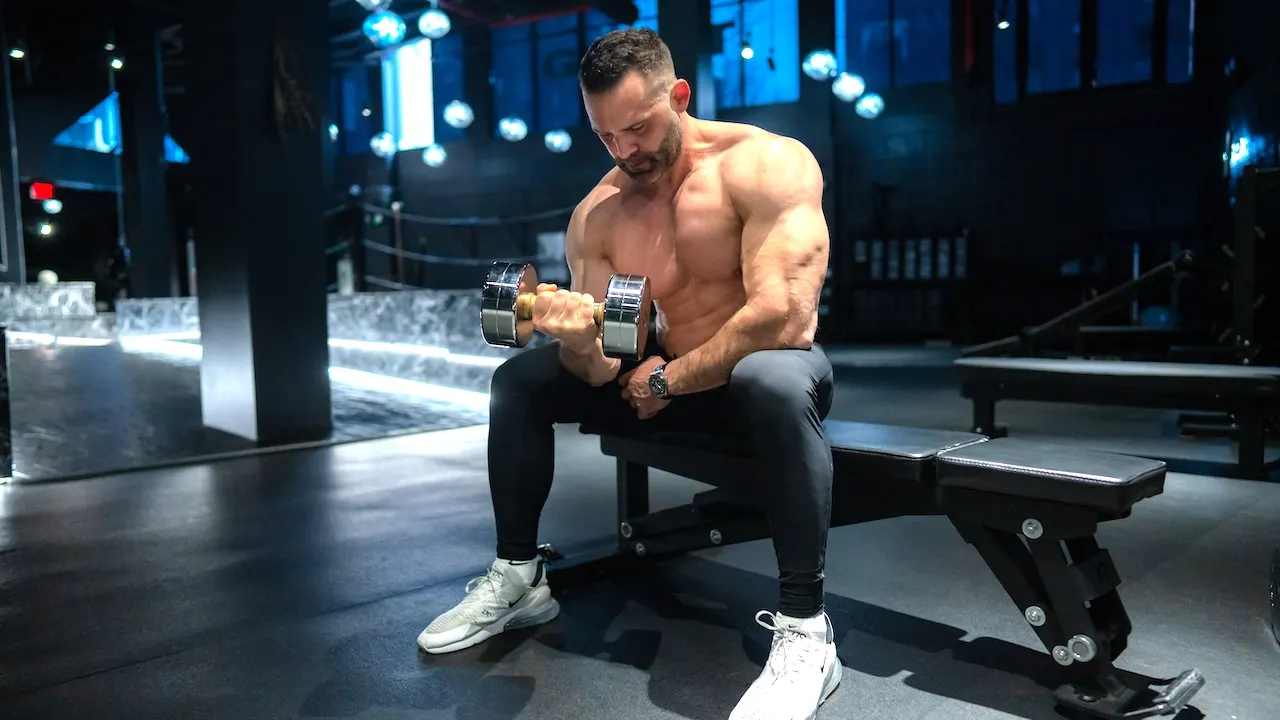
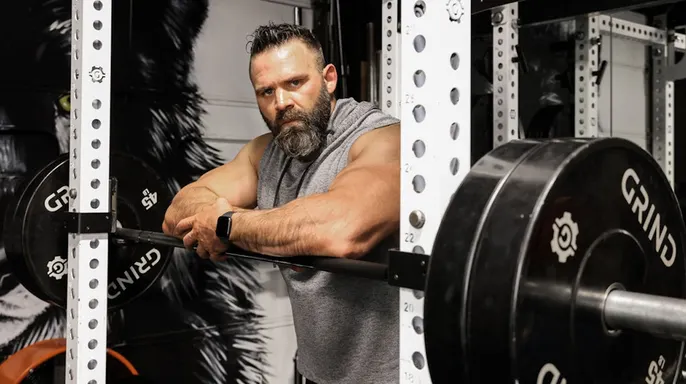
The most critical phase of a workout often happens long after the final rep drops. As people grow older, their muscles stop responding as well to protein and other signals meant to build tissue. This makes recovery essential for repairing damage and keeping strength intact. Jacob Zemer is a fitness coach based in New York who focuses heavily on this exact process with his clients. His group mostly ranges from 35 to 55 years old. "Most of my clients are really focused on longevity," he told Fox News Digital. They do not want to become bodybuilders or power lifters. Instead, they simply wish to age well. Zemer shared six specific methods for adults over thirty-five to recover better after exercise.

Getting seven to nine hours of quality sleep is vital according to the expert. He suggested several steps to support deeper and more restorative rest. Stop eating a couple of hours before bedtime because this will dramatically reduce your resting heart rate. Adhere to a set bedtime every single night without fail. Discontinue any screen use a couple of hours prior to going to sleep. Try not to have stressful conversations close to the time you plan to lie down. Take a hot shower which raises the body's core temperature and then drops afterward, potentially helping promote sleep. Keep the bedroom temperature between 60 and 65 degrees. Make the bedroom as dark as physically possible.
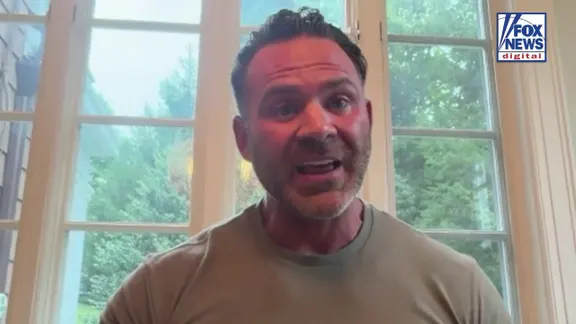
Getting regular checkups and completing recommended lab work can also help identify issues that may interfere with recovery according to Zemer. "Make sure you're keeping up with what's going on with your hormones," he advised. Ensure everything in your body is functioning properly because our bodies change as we age. Experts emphasize however that preventive testing should be personalized based on factors such as age, gender, symptoms and medical history. The U.S. Preventive Services Task Force recommends screening for conditions including high blood pressure, prediabetes or type 2 diabetes and osteoporosis.
Heat exposure may be another way to support muscle strength and recovery after exercise according to Zemer. Warmth causes blood vessels to widen which increases circulation to tired muscles and potentially helps deliver nutrients involved in repair. A 2025 review of 22 studies found that nearly half of participants reported improved muscle-function recovery with heat therapy. "If you don't have access to a sauna, taking a hot shower after your workout releases heat proteins that may help with recovery – and actually it helps improve what we call 'gains' from the gym," the trainer told Fox News Digital.
After you get done working out your muscles are shortened as Zemer stated. You want to re-lengthen them by stretching. As strength training can put significant wear and tear on the body, it is important to maintain full mobility by moving through a complete range of motion and stretching afterward according to the expert. Getting adequate protein after a workout aids in muscle repair and rebuilding which Zemer emphasized. The International Society of Sports Nutrition recommends targeting about 20 to 40 grams of high-quality protein after training. For active adults, the general guideline is roughly 1.4 to 2 grams of protein per kilogram of body weight per day. Protein needs should be individualized however particularly for people with certain medical conditions. Hydration is also important prior to working out according to Zemer. "If you don't drink enough water, you're really setting yourself up for failure when you're in the session, which is going to cause you to have lackluster results," he said.

Giving your body time to de-stress is non-negotiable. You might just have finished a session that was healthy and offered a positive impact on your physique, yet it still taxed the system. Zemer explained that cortisol stays high right after you finish. "So getting a good meal and a little bit of rest before you move on with your day" can help the body recover. If it takes a full week to bounce back, you simply trained too hard. The goal remains clear: give the nervous system and muscles the resources they need. A 2026 review described exercise as a cycle of "stress response, adaptation and recovery," noting that workout benefits hinge on sufficient recovery time, sleep, and energy availability.

There is a distinct line between 'good sore' and 'bad sore'. While feeling stiff after moving your body is normal and often beneficial, Zemer warned about the difference. "The soreness should be only for a short period of time, like maybe a day or so after you're done training," he told Fox News Digital. If that ache lingers past two or three days, you pushed too much. That advice holds true if your knees and joints ache as well.
This does not mean you must quit the gym immediately. "It just means maybe drop back what you did by 30% and start from there," Zemer advised. For instance, if you completed six sets of legs one day, try doing four sets the next time you train. That adjustment makes recovery far more effective. The most critical thing to recognize is that exercise-induced endorphins can temporarily mask pain. Discomfort that feels manageable while you are sweating may feel terrible later once those chemicals wear off. "If something hurts in the gym when you have your endorphins going strong, it's going to hurt really bad later – and that's the last thing you want, because if you're hurt, you're not going to be able to train consistently.
Photos