Exiled PM Hasina Vows Return to Bangladesh Despite Death Sentence
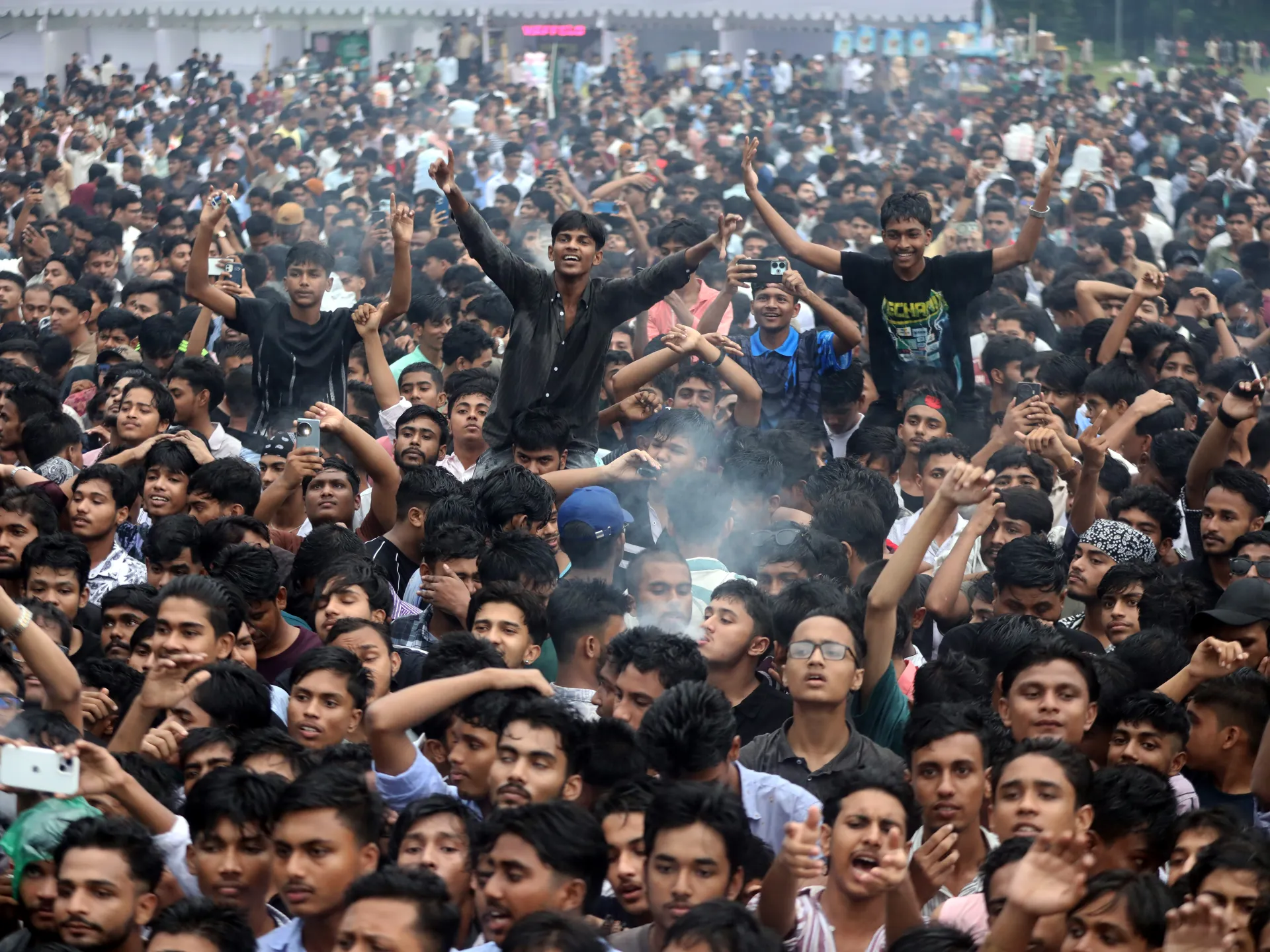
Former Prime Minister Sheikh Hasina has vowed to return to Bangladesh from her exile in India despite facing a death sentence. She plans to go back even though the country issued that penalty for ordering killings during the 2024 uprising that forced her out of office. Two years after fleeing, she told reporters in New Delhi on Wednesday that she cannot stay away from her supporters any longer.
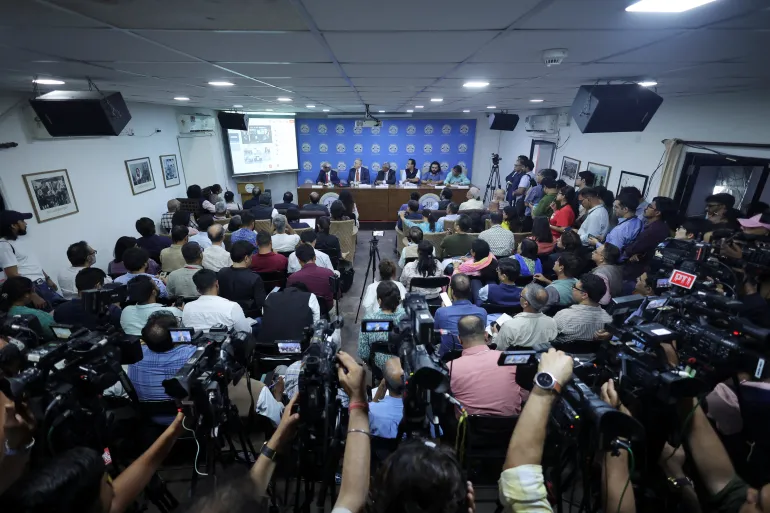
She knows arrest waits for her. Prison may follow. Even execution could happen if authorities enforce verdicts from fabricated cases. Fear will not decide her duty to the people. Hasina, seventy-eight years old, made these words clear in an audio address hosted by New Delhi's Foreign Correspondents' Club of South Asia. This event marked the second anniversary of the end of her fifteen-year rule. That era saw widespread allegations of killing political opponents and rigging elections while human rights violations occurred frequently.
Bangladesh's International Crimes Tribunal found her guilty of crimes against humanity last November. The court sentenced her to death for ordering more than 1,400 people killed during the protests. A notorious court she herself founded tried her rivals in those days. Bangladesh asked India repeatedly for extradition while New Delhi said it examines the request. Prime Minister Tarique Rahman's government expressed outrage over allowing the event because diplomatic ties could further strain from such actions.
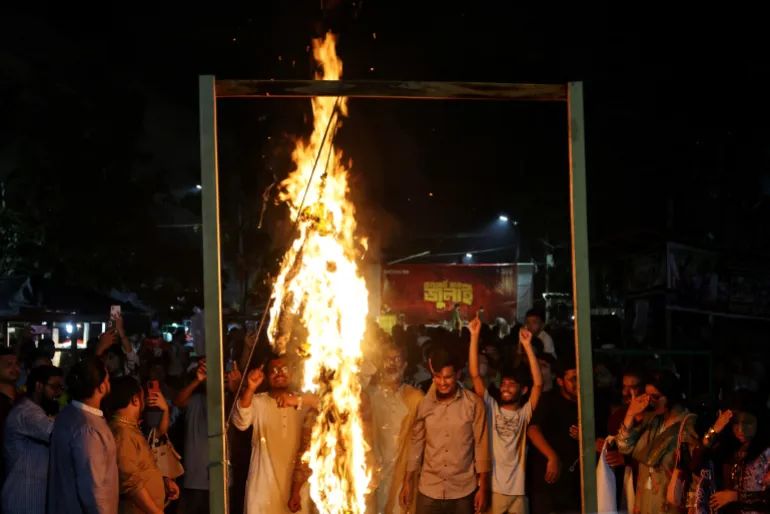
Protesters burned an effigy of Hasina in Dhaka as she spoke. Authorities claimed the address undermined stability while mobs attacked Shakib Al Hasan's ancestral home in Magura town. The former cricket captain remains outside Bangladesh since the uprising ended his political career. He faces accusations including murder and embezzlement under current law enforcement scrutiny. Hours before her speech, Rahman inaugurated a memorial museum at Hasina's official residence to honor the 2024 uprising. Nobel Peace Prize laureate Muhammad Yunus attended that ceremony after heading the interim administration following her ouster.
Hasina rejected widely accepted accounts of the July 2024 uprising in her defiant address. She argued it was not a popular movement but a coordinated campaign designed to topple her government. Anything may happen next while she insists on returning home. She frames this planned return as an effort to restore democracy and promote national reconciliation instead. Bangladesh needs healing rather than confrontation according to her repeated statements during the event. Some members of her now-banned Awami League party rekindled hopes for a political comeback after hearing her announcement.
A senior leader speaking on condition of anonymity declared that the former prime minister will definitely return. They added that everyone hiding would come out. Another party activist, Shajidul Islam Shobuj, told Al Jazeera he has been living in hiding since the uprising began. He said they are eagerly awaiting her return and already working to reorganise the party.
But leaders of the 2024 uprising insist reconciliation cannot happen before accountability is served. Akhter Hossain, a former student leader and now a legislator from the National Citizen Party (NCP), told Al Jazeera that Sheikh Hasina can return at any time if she has the ability to do so. He stated she will have to face Bangladesh's judicial process.
Akhter said the Awami League had no political future unless it was held accountable for the crimes committed during its time in power. Many others who protested during the uprising have also received Hasina's announcement with deep scepticism. Atikul Gazi, a 23-year-old survivor of security force violence on August 5, 2024, said he lost his left arm to point-blank gunfire. He noted she previously claimed she would not flee the country yet she did leave anyway.
Gazi explained they do not believe she will return simply because she says so. Whether Hasina returns voluntarily or not, he insisted the government should ensure she faced the judicial process. Experts say her high-risk political gamble could determine the future of the Awami League while also testing the durability of the new political order. Journalist and political analyst David Bergman told Al Jazeera that she does intend to actually return to Bangladesh.
Bergman argued returning gives her a chance of remaining politically relevant and creating significant challenges for the country's new government. He suggested it might change the current political dynamic to the advantage of the Awami League. But he also argued the party continues to misread the mood of the people. Until it recognises its own responsibility for the party's current demise, it is difficult to see how the Awami League can carve out a new role for itself in Bangladesh.
If she returns to Bangladesh, it would not be Hasina's first return from exile. After the assassination of her father Sheikh Mujibur Rahman and most of her family members in 1975, she spent years abroad before returning in 1981. She led the Awami League while it was still in opposition at that time. She was repeatedly arrested during military rule in Dhaka before storming to power in 1996. She governed the country for most of the next three decades under those rules.
This time however the political landscape is markedly different as Hasina no longer faces just political opposition alone. Mubashar Hasan, a political observer and adjunct researcher at Western Sydney University's Humanitarian and Development Research Initiative, says her challenges extend beyond the courtroom. He stated that Sheikh Hasina's vow to return is a political strategy aimed at motivating Awami League activists who have become demoralised since she left the country.
Hasan noted many party activists felt abandoned when Hasina fled Bangladesh in a military helicopter on August 5, 2024. Reports say she reportedly did not warn senior party leaders before leaving. But he also wondered if her gambit would work. He said personally he does not think that strategy will succeed in the long run. Meanwhile Hasina's speech has triggered new diplomatic tensions between New Delhi and Dhaka. The Ministry of Foreign Affairs stated Bangladesh is outraged by these events.
Bangladesh's government declared that convicted mass murderer Sheikh Hasina and her alleged criminal network have no future in its political system. The ministry stated India permitting Hasina to use its soil to strike at the Bangladeshi state was a severe insult to national sovereignty. They called it a grievous affront to the martyrs who died during the July Revolution. Dhaka also slammed New Delhi for ignoring requests to extradite Hasina under their 2013 bilateral treaty.
Before her speech, India's Ministry of Foreign Affairs spokesman Randhir Jaiswal issued a denial. He said the Indian government has no involvement in any such event. The spokesman added that India does not endorse any views expressed during the address. Back in Dhaka, parents of seventeen-year-old Shahriar Khan Anas returned from visiting a new memorial museum at Hasina's former home. Shahriar was one of 1,400 people killed during the 2024 uprising. When asked about her plans to return, they offered no comment. They simply said: "We have no words today."
Other participants in the uprising spoke more directly. Risul Islam Rifat, a final-year journalism student at North South University, dismissed the situation as empty rhetoric. North South University was one of the main hubs for the 2024 protests. He noted that despite their differences, political parties are now united on this single issue: Sheikh Hasina. Those who joined the July movement alongside ordinary citizens will not allow her brand of politics to return.
Photos