Ex-pilot with flight bans cleared after axe attack attempt
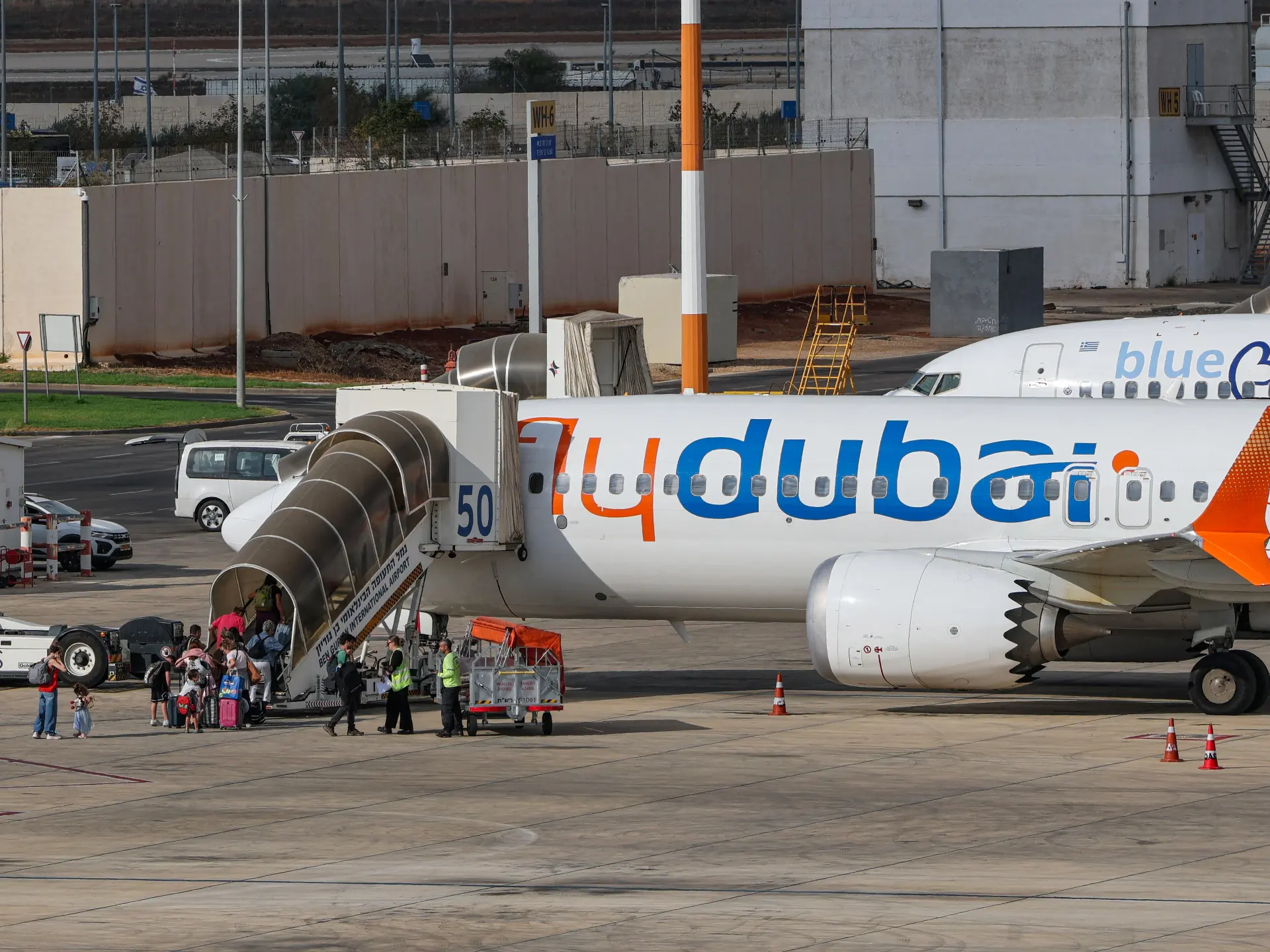
A co-pilot for Flydubai accused of trying to slash his captain with an emergency axe has apparently passed security clearance despite a known history that should have barred him from flying. The incident happened on September 30 aboard Flight FZ1073, which was bound for Israel. Investigators in the United Arab Emirates are now calling this event an attempted terrorist operation while they dig deeper into how such a breach occurred.
The man at the center of the storm is Hamam al-Hammami, who holds Omani citizenship. Before joining Flydubai, he faced restrictions within his home country. Sources speaking to the Associated Press say authorities in Oman barred him from flying due to concerns over alleged extremist views. Instead of staying behind the controls, they moved him into an administrative role at Oman Air. He left that airline in February 2025 and then reportedly joined Royal Air Maroc before departing again in January this year.
A Gulf diplomat told AP that al-Hammami went through standard checks when Flydubai hired him. It remains unclear exactly how deep those vetting procedures went. The specific nature of his alleged views is not public, nor is it known if Oman shared these warnings with other nations or carriers. This gap in information fuels the current debate over aviation safety protocols.
Commercial pilots do not face a single global rulebook for background screening. Procedures differ based on the airline and the country licensing them. An anonymous captain told Al Jazeera that regulators like the General Civil Aviation Authority in the UAE oversee medical certifications required to fly. These checks usually cover vision, hearing, heart health, and any conditions that could cause sudden incapacitation. Some carriers also ask for police clearance certificates from a pilot's country of residence before accepting an applicant.
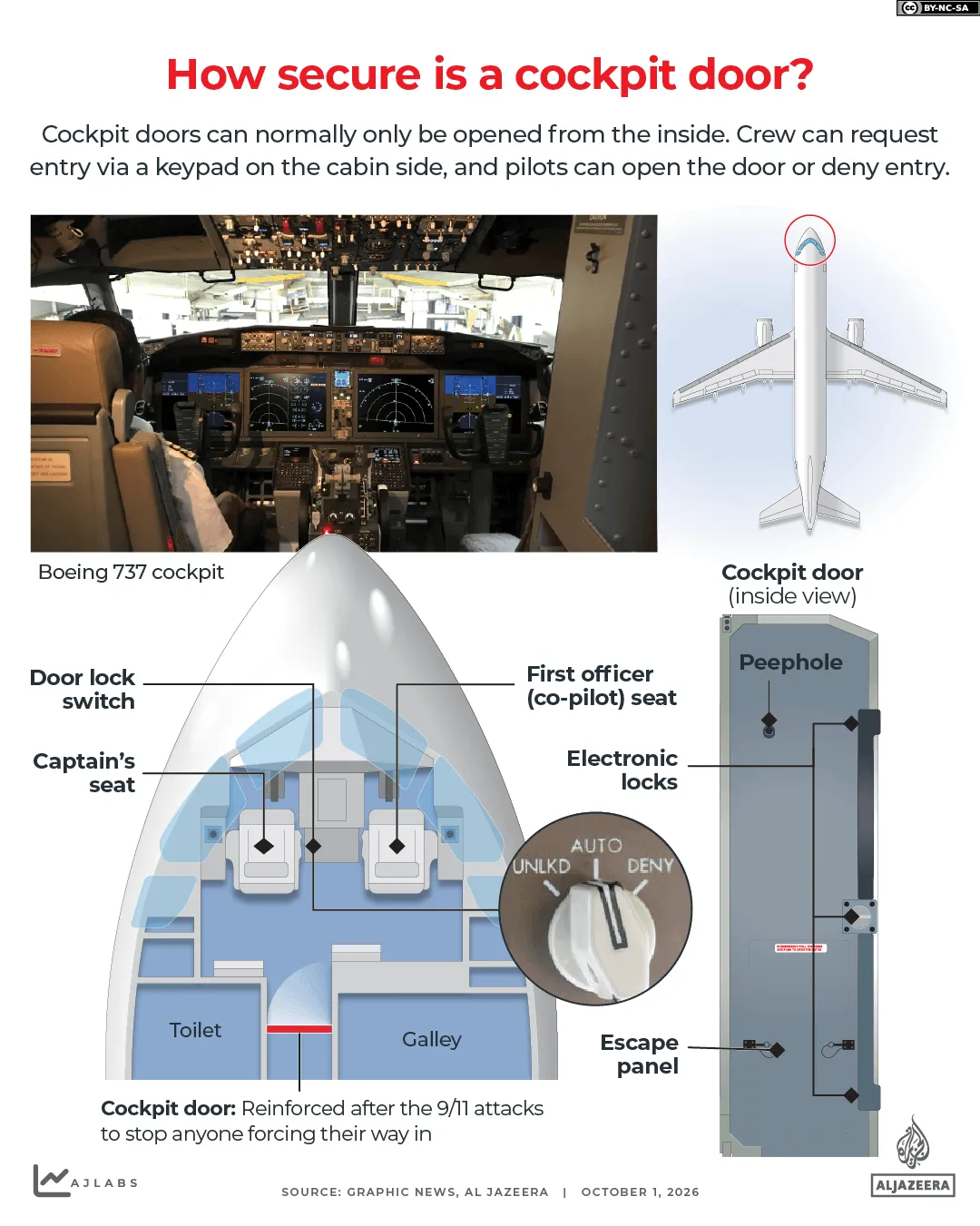
Security rules mandate background investigations for anyone who accesses restricted areas without supervision. Depending on local laws, airlines might require psychological evaluations or drug testing. Yet al-Hammami managed to clear these hurdles and end up at the controls of a plane heading toward Israel. That destination makes the situation even more confusing because Oman has no diplomatic relations with Israel.
Israeli authorities reportedly received crew and passenger lists for the flight before it left the ground. Haaretz newspaper noted this detail while raising sharp questions about how a man with such a background entered their airspace. The airline industry now faces intense pressure to explain its vetting processes after this attack attempt. Experts warn that without strict cooperation between nations, dangerous individuals might slip through cracks in international hiring practices.
The UAE is racing to establish the motive and check for any wider connections behind the plot. They have identified al-Hammami as the sole accused so far. Meanwhile, passengers and families are left wondering if their safety depended on a system that failed them this time. The aviation world watches closely as investigators try to piece together exactly how one man with a red flag record got clearance to fly over hostile skies.
A 2023 law now forces airlines to hand over passenger and crew details, such as names and nationalities, to Israel at least 48 hours before departure. The Israel Tax Authority told Haaretz it received these lists for the Flydubai flight. Media reports indicate Israeli security agencies, including the Mossad, police, and Shin Bet, must access this data to spot potential threats. Security sources speaking with Haaretz say the Transportation Ministry's Security Department and the Mossad handle vetting foreign crews and issuing alerts when worries surface. Yet two sources warn that while the ministry holds responsibility on paper, it lacks its own intelligence capabilities. Prime Minister Benjamin Netanyahu stated Israel has long-standing deals with foreign carriers to stop pilots from nations without diplomatic ties from flying there. He called the recent incident a "loophole" that Israel will now tighten through stricter checks. The UAE has not publicly explained why al-Hammami acted or if he worked alone. UAE presidential adviser Anwar Gargash posted on Saturday that this latest attack serves as a new warning. He said the region's fight against extremism is far from finished. "This underscores the importance of the UAE's early and firm stance: no tolerance for extremism and no leniency towards its rhetoric," Gargash wrote. He added that security starts by confronting hatred and cutting off extremism's sources.
Photos