Ex-Pentagon Official Warns Fear-Driven AI Regulation Could Harm U.S.
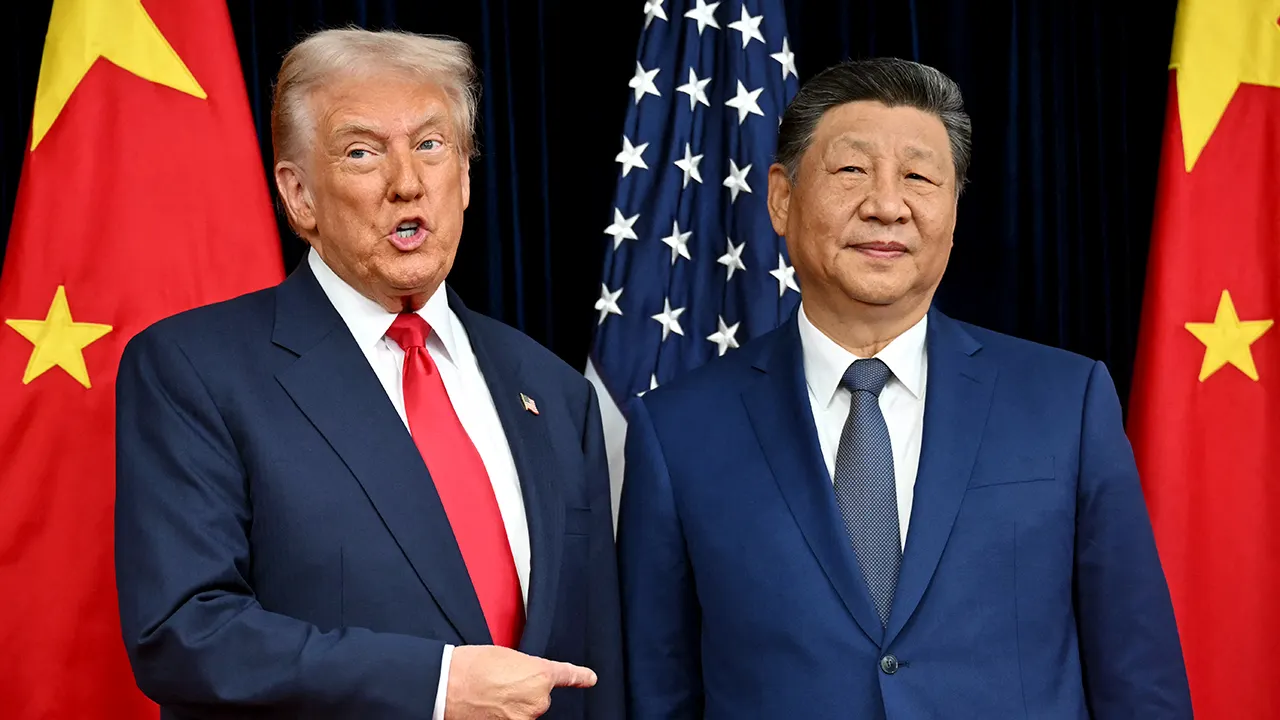
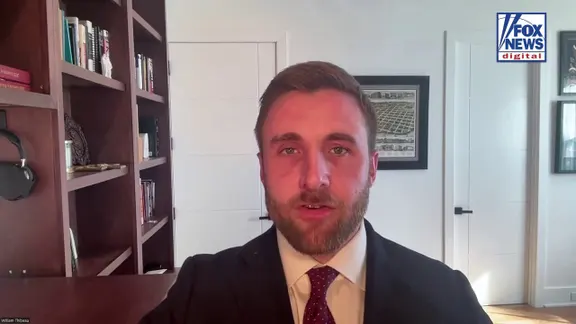
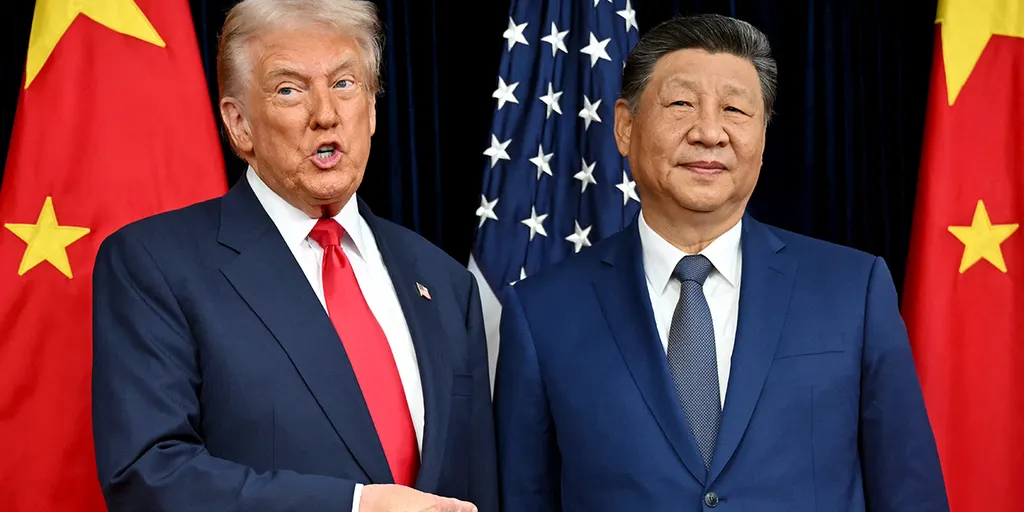
A former Pentagon AI official who once worked for Palantir Technologies warned Fox News Digital that regulation driven by fear could cripple American tech against China while letting giants lock up their lead over smaller startups. This caution comes after an Anthropic researcher resigned because he feared powerful AI might threaten humanity, a stance President Donald Trump dismissed as a hoax similar to climate alarmism since those dire predictions never came true. Will Thibeau, the retired Army Ranger and ex-Palantir strategist who served in the Pentagon's Chief Digital and Artificial Intelligence Office, told reporters that both he and the president believe the risk of global extinction is false.
The stakes of losing this race to China are so high that we should not let doomerism define public policy according to Thibeau. He clarified his position is not for a hands-off approach but rather an aggressive push at the frontier while handling concrete risks carefully. The goal must be threading the needle between denying Beijing an advantage and stopping today's leading firms from using regulations to cement a duopoly that hurts new American innovators. We must maintain our edge so our economy gets the license on the first benefits of artificial intelligence including enhanced manufacturing, processing power, and financial decision-making capabilities.
Thibeau rejected predictions that AI will make life unrecognizable or pose an uncontrollable extinction risk while arguing those hyperventilating over extremes miss a clearly defined middle path for development. Some of AI's most vital applications are military where it processes battlefield data fast enough to give U.S. forces the upper hand while helping preserve civilian life. I am very bullish on how artificial intelligence can be applied for the military he stated with confidence regarding its strategic utility.
While fears about drone swarms running amok are not realistic, Thibeau acknowledged AI carries real risks that policymakers must address without allowing those concerns to justify sweeping rules that slow U.S. development or undermine our military edge. The larger danger lies in how leading firms can absorb regulations that smaller newcomers simply cannot handle. There is a duopoly perhaps a triopoly if you include Google he noted naming Anthropic and OpenAI as the two companies clearly in the lead right now. They want to slow the game so they can use their built-in advantages and current lead to solidify this market dominance making it harder for new entrants to rise up the market chain and capture regulatory incentives from the government. Fox News Digital reached out to all three firms for comment on these growing tensions.
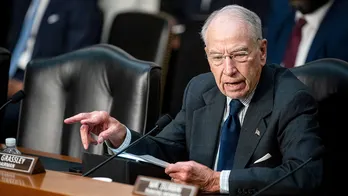
Anthropic policy documents outline concerns about biological risks cyber risks loss of control and the automation of research and development while also underlining that regulations must protect innovation. In terms of government oversight Senator
Senate Minority Leader Charles Schumer addressed reporters Tuesday with a clear message about artificial intelligence regulation. He argued that this moment demands rare bipartisan cooperation on the rules needed to govern the technology.
"If there's ever a time for Republicans to break from their blinded allegiance to Trump, it is now," Schumer told the press. "The world is in danger and Republicans are on the sidelines sucking their thumbs." His words painted a stark picture of political division versus global risk.
Former Vice President Kamala Harris weighed in with her own assessment of the situation. She stated that AI is advancing at an alarming speed. In a lengthy statement, she signaled support for Big Tech firms calling for more careful pacing of this technological frontier. A slowdown is critical to ensure artificial intelligence serves the public interest, she noted. Thibeau also warned about these risks earlier in the week.
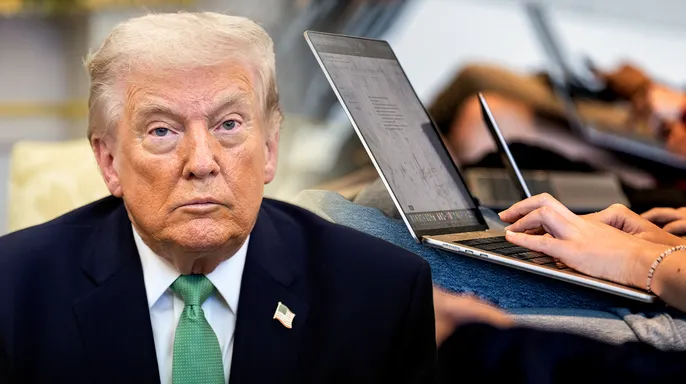
House Speaker Mike Johnson offered a different perspective from Washington. He said guardrails are necessary within the AI sphere but insisted Congress should not use a heavy hand. "We have to put up some guardrails, some safety measures in place to ensure that AI doesn't run away," he told NBC News. At the same time, he stressed the need to maintain America's edge in global competition with China. It must be done right, safely, and wisely according to Johnson.
Photos