Evri tests Europe's first bipedal delivery robots hopping up stairs
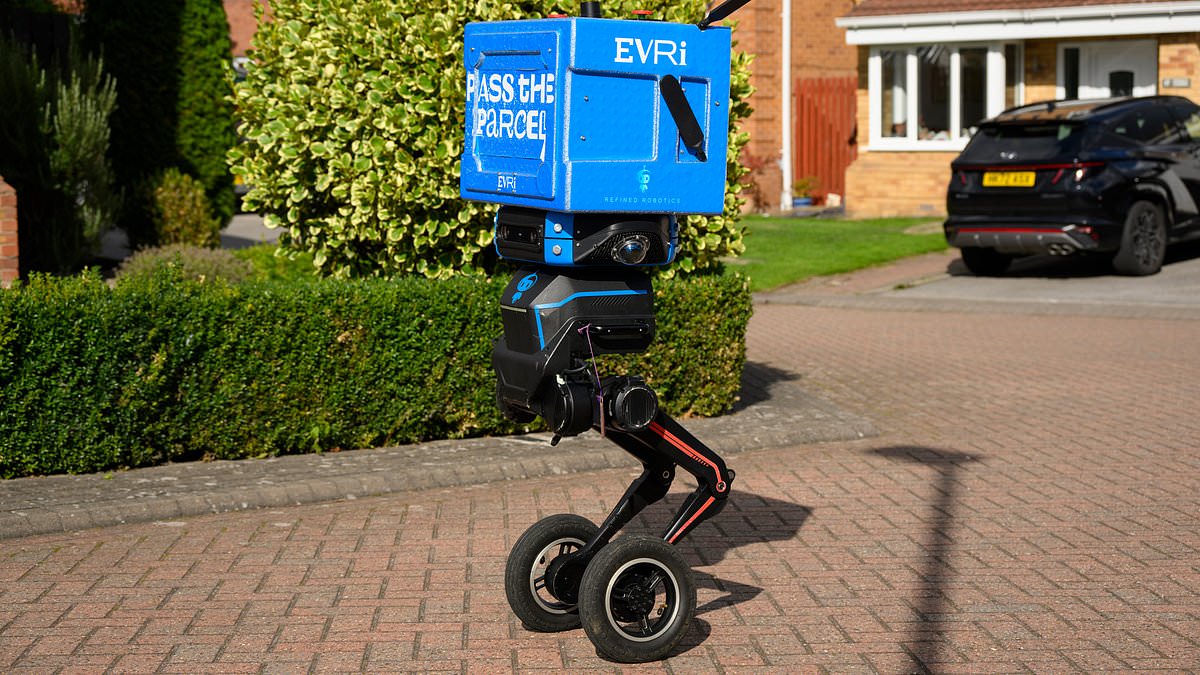
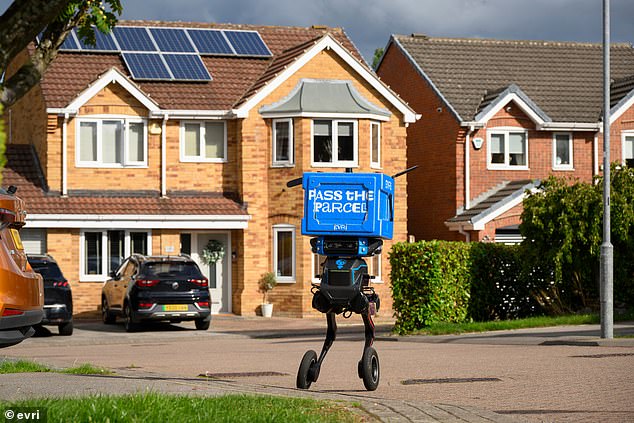
Your next parcel might arrive on two legs instead of four wheels as Evri launches Europe's first test of bipedal delivery bots. Starting this morning, machines built with Japanese partner Refined Robotics will make real deliveries in Barnsley to local customers. These new units differ sharply from the four-wheeled models currently roaming neighborhoods because they are engineered for the messy terrain found right outside front doors. They zip along at four miles per hour and can hop out of vans while carrying parcels up to 33lbs or even climb a set of stairs before you simply open your shutter.
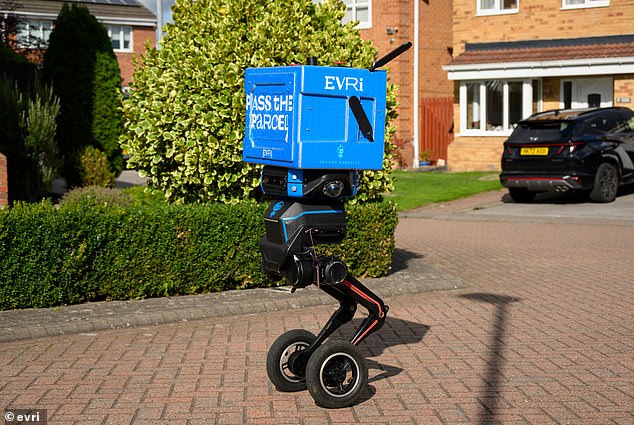
The robots operate using onboard sensors for navigation yet remain under remote control throughout this specific trial period. Evri plans to judge how well these bots handle a genuine residential environment before deciding whether to expand the test to other towns and cities. Success in Barnsley will dictate that future path rather than any pre-set schedule for wider rollout. While they do not walk quite like humans, Refined Robotics' design features two springy legs ending in wheels that allow them to scoot flat or shuffle over obstacles with surprising ease.
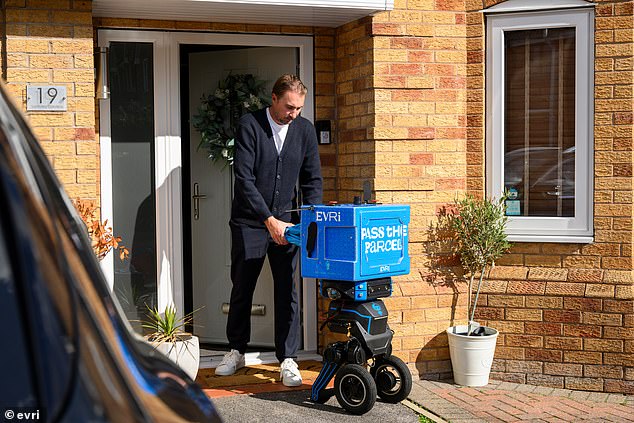
Nick Hafner, CEO at Refined Robotics, admits the idea sparked after witnessing an elderly driver struggling to carry heavy parts up stairs during a heatwave. He notes that despite huge advances in autonomous tech, wheeled bots and self-driving cars still fail to reach every single door effectively. His company estimates that roughly 65 per cent of delivery jobs currently require human hands to cross ground most robots cannot handle. That final stretch from the van to the doorstep remains the slowest, costliest, and riskiest segment of any delivery operation according to their analysis.
Marcus Hunter, Chief Technology Officer at Evri Group, insists that couriers stay central to their business model while embracing new tools to boost efficiency. He stated they are committed to exploring how innovation can support staff and improve operations for customers. The robots aim to complement existing methods rather than replace them entirely by handling second delivery attempts when a person is busy with work calls or bathing an infant. A spokesperson explained that these bots might also assist those unable to reach a ParcelShop directly by bringing packages to their location instead.
History shows this path has not always been smooth for autonomous delivery tech in Britain where earlier efforts faced serious growing pains last year. Campaigners accused the Co-op of deploying dangerous AI-powered robots to deliver groceries while the supermarket chain used Starship units with six wheels and a top speed of 4mph. Those machines were removed from Sheffield streets after Uber Eats ended a pilot scheme just five months in following constant vandalism and graffiti attacks on the vehicles.
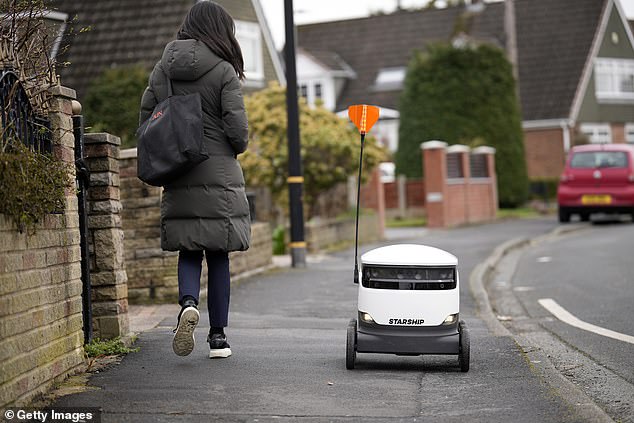
Pedestrian safety charity Living Streets also wrote to Co-op interim chief Kate Allum warning that pavements should not serve as logistics routes for such devices. Concerns grew after one robot rammed into a German Shepherd dog owned by Brian Dawson, a Tesco delivery driver who then had to kick the machine away from his injured leg and pet. Locals complained these autonomous vehicles blocked foot traffic while carrying alarming numbers of cameras during their short-lived trial in Sheffield. Starship claimed the pause came naturally without citing graffiti as a primary factor despite the messy reality faced by residents on the ground.
Photos