EU pledges $232 million investment package for Greenland amid US tensions
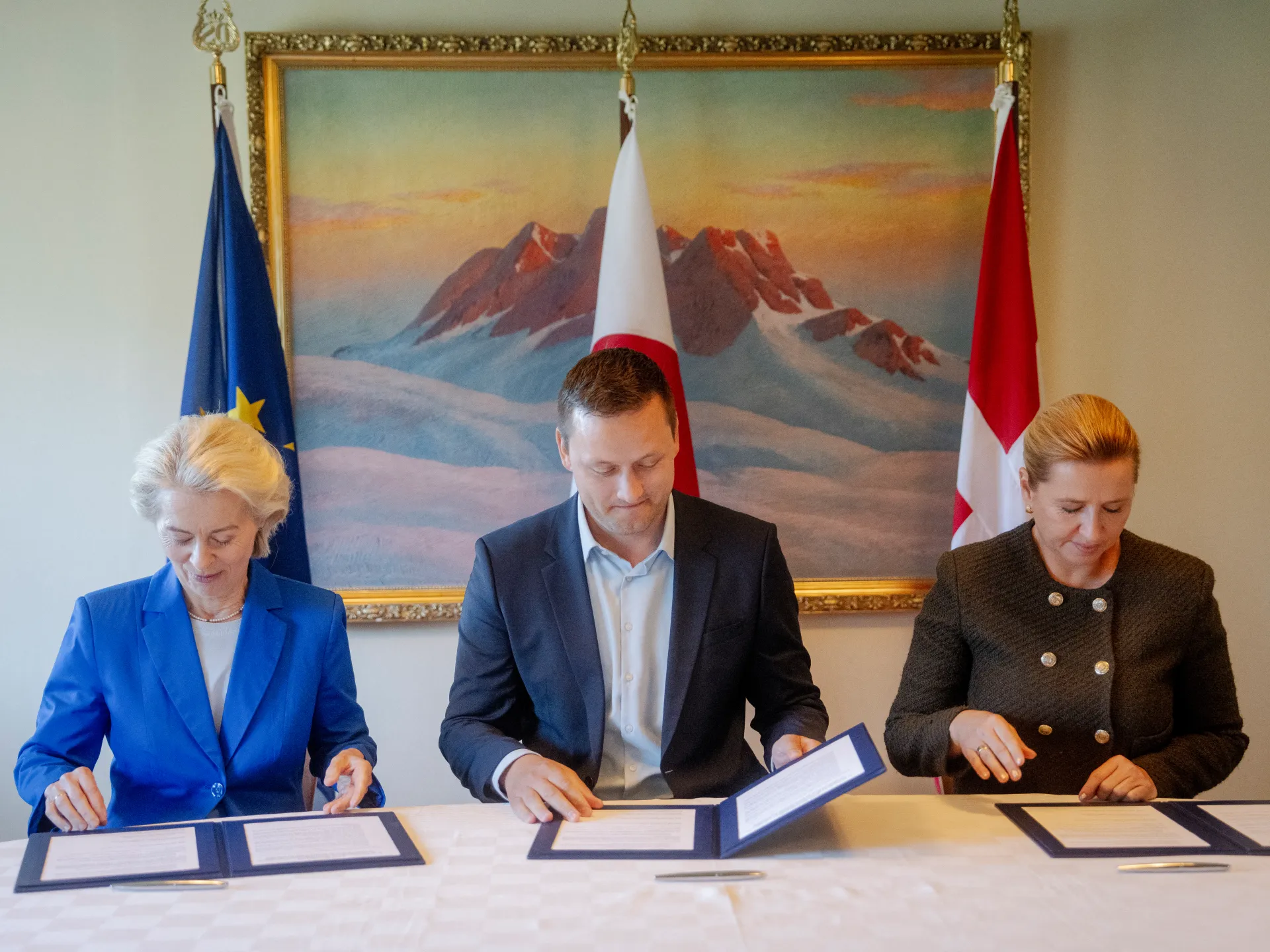
Brussels is moving fast with a new promise worth over $200 million for Greenland as tensions rise. European Union leaders signed a declaration in Nuuk on Monday to ease fears stirred by repeated threats from US President Donald Trump to take over this self-governing Danish territory. Commission President Ursula von der Leyen unveiled the investment package, which totals $232 million or roughly 200 million euros, designed to boost local living standards across the next two years. This cash injection will flow directly to Greenland's government to upgrade administrative skills and fund programs for sustainable tourism and housing construction.
The political drama unfolded right as NATO launched its Arctic Shield military exercise involving soldiers from eleven nations. About 400 personnel will participate in drills running from September 7 to 18, marking a significant show of force in the region. Jens-Frederik Nielsen, Greenlandic Prime Minister, welcomed the support during von der Leyen's visit. He told her that their backing is unfailing and expressed deep gratitude for standing by them through these challenging times. Nielsen emphasized that both Greenland and the European Union need each other to succeed.
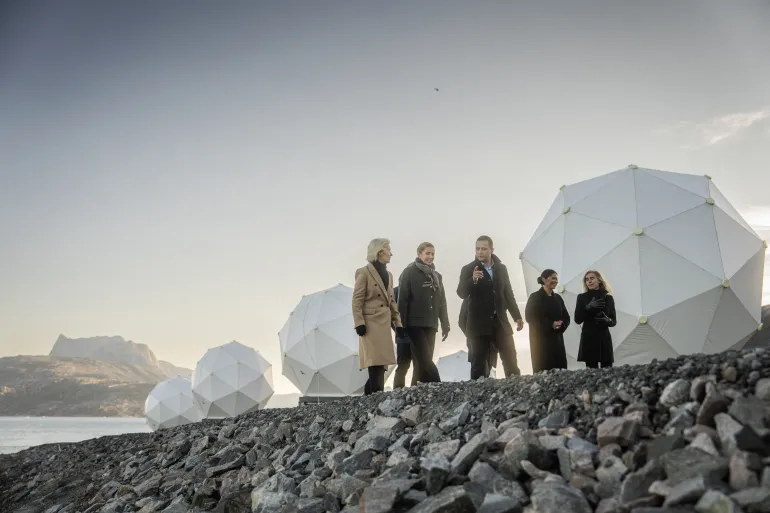
Danish Prime Minister Mette Frederiksen also signed the declaration alongside von der Leyen and Nielsen in the capital city. The bloc aims to be more present and engaged moving forward, proposing to double direct aid to 530 million euros for the 2028–2034 budget period. Von der Leyen made it clear that Greenland's future belongs solely to its people and Denmark, refusing any outside interference. This stance comes after Trump cited national security concerns while pushing for greater US control, a move that strained relationships with key allies.
In January, eight European countries including Finland, France, Germany, Norway, Sweden, the Netherlands, the UK, and Denmark sent military teams to Greenland for public exercises demonstrating solidarity. Trump reacted by threatening tariffs against those nations before backing down in February after NATO agreed to expand operations in the Arctic. The situation remains volatile with Trump previously refusing to rule out using force to seize the territory of 57,000 inhabitants. Such threats have sown deep anxiety within the EU and among NATO members who now face a more aggressive approach from Washington.
Photos