Estrangement Rates Rise as Therapy Linked to Family Cuts

A massive shift is shaking American families right now. Nearly 40 percent of adults say they are cut off from a close relative. The numbers break down starkly: one in four lost contact with a sibling, while parents and children face estrangement rates of 16 percent and 10 percent respectively. This data comes from a recent YouGov survey involving over 4,300 people.
Experts are now asking if therapy is part of the problem. Some argue that seeking help usually heals wounds. Others fear it fuels a culture of permanent cutoffs. Two major surveys recently asked parents about their adult children's mental health journeys. Over 5,200 responses showed clear patterns. More than one in ten parents said their child started therapy within a year before the split. A significant number noted that therapy influenced the decision to end contact. Even more reported that their child received a mental health diagnosis. Researchers warn these surveys rely on parent accounts and lack national representation.
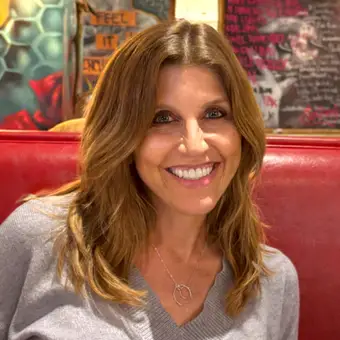
Richard Blake, a psychologist based in Texas, calls this trend an "overcorrection." He studies anxiety and family fractures. When Fox News Digital asked him about the online debate, he admitted hearing stories from both sides. Some parents claim their child's therapist told them to cut ties. Others say therapists encouraged breaking contact with aging parents. Blake notes that judging when therapy is appropriate requires nuance.
Laura Wellington lives in Connecticut and has been estranged from her daughter since 2024. She calls herself "Doormat Mom" online. To her, the issue is clear. "Therapy has sort of raised the bar of what is good enough parenting," she said. Does therapy fuel this epidemic? She answers with a resounding yes. Yet she insists some therapists remain excellent. Wellington believes many professionals focus too narrowly on one person's pain while ignoring the complex reality of the whole family. Some have even contacted her to ask, "What did we miss?"

She supports apologies when parents are at fault. But she argues for looking at all circumstances before advising a cutoff. Values often drive these painful splits without any violence involved. Blake cited an online comment where someone ended contact because their parents did not condemn ICE enough. He also acknowledges that abuse makes ending contact necessary. The gray zone lies in emotional abuse, which is where the therapy culture debate gets murky. Families are hurting deeply right now as they try to figure out if seeking help brings them together or drives them apart forever.
Families need to pay close attention to warning signs before it is too late. A researcher named Lucy Blake, Ph.D., a developmental psychologist based in the U.K., says the phrase "emotional abuse" is often stretched too far these days, especially online or during heated arguments about politics and religion. He points out that words people use can be labeled as abusive simply because they do not match another person's values.

"If you don't listen to your child, then don't be surprised if you have conflict with them," Blake stated clearly. What a parent sees as legitimate criticism might look like abuse to an adult child who has been hurt by the words used against them. He explains that therapy has raised expectations for what counts as good parenting, leading to an overselling of how much parents shape their children's lives.
Blake noted something painful in his practice: some parents tell him their children never explained why they were cut off. "They'll say, 'We were best friends. And then I got a letter saying, 'never contact me ever again.''" That silence is frustrating for everyone involved. A frequent complaint from adult children is that their parents do not listen and act like a brick wall when approached for conversation.
"If you don't listen to your child, then don't be surprised if you have conflict with them," he repeated, emphasizing that this frustration is genuine. He recommends specific active listening techniques to break down walls between generations. Parents should let the other person speak without interruption and repeat their concerns back to show they understand before offering a response. Asking whether there is more to share can open doors that are currently locked tight.

Blake made sure to clarify his point: he is not criticizing all therapists, only a small subset who think ending contact with family members is an appropriate way to handle conflict. In ordinary family fights rather than actual abuse, cutting ties might bring short-term relief but causes serious consequences down the road. It can make you feel good initially, yet the aftermath often brings very serious problems.
He also challenged the myth that blocking a parent will fix mental health struggles on its own. "This is the sort of myth that pervades in cutoff cultures, like, 'I needed to cut my parents off to protect my mental health,' he said. The logic assumes that because parents caused the issues, removing them solves everything. Other experts agree that experiences with therapy regarding family estrangement vary widely among people. The reality is messy and requires careful listening from both sides of the divide.
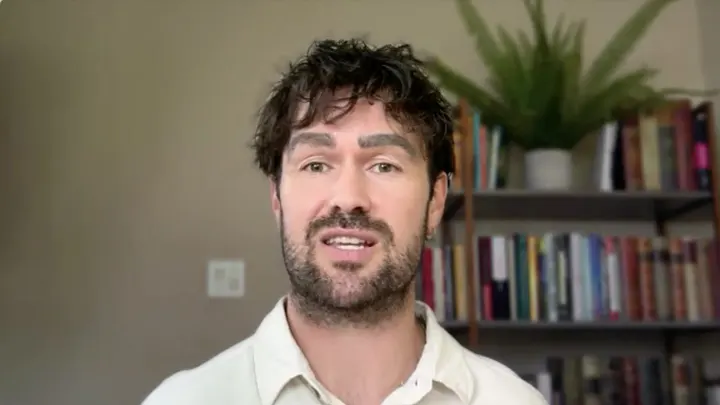
Experts studying family estrangement recently told the American Psychological Association that therapy offers significant relief in certain situations. The psychologist explained that patients often find great value when their therapist truly grasps the unique nature of cutting ties. It is rarely just one relationship that suffers; it is usually a whole web of connections affected. This misunderstanding fuels myths common in cutoff cultures.
Therapy works best when clinicians understand the deep roots driving families apart, such as abuse or serious mental health struggles. However, Blake has also heard from people who found counseling "very unhelpful." These individuals felt their therapist lacked warmth and validation. They needed someone who understood the enormous impact of estrangement, including the heavy grief and loss that follows.

Overall, Blake said therapy can be a really helpful avenue of support for some. Yet researchers are still really learning what actually helps or hurts people facing this crisis. When families face conflict, bringing in a neutral third party often works better if both sides agree to participate. Communication with a mediator, whether it is a therapist or a professional, can be really productive. Richard Blake stated he knows many very good mediators out there who can help people find their way back.
Once a family member has already ended communication and asked not to be contacted, getting both sides into therapy may no longer be an option in that specific case. Wellington agreed that bringing parents and adult children into therapy together could be helpful, provided both sides are willing to repair the relationship. She also added that differing beliefs do not necessarily have to end a relationship. You can have a different opinion. You can also have a relationship with your parent who holds the other opinion, and that is OK.
Photos