Ebola Spotted in Seventh DRC Province as Crisis Worsens
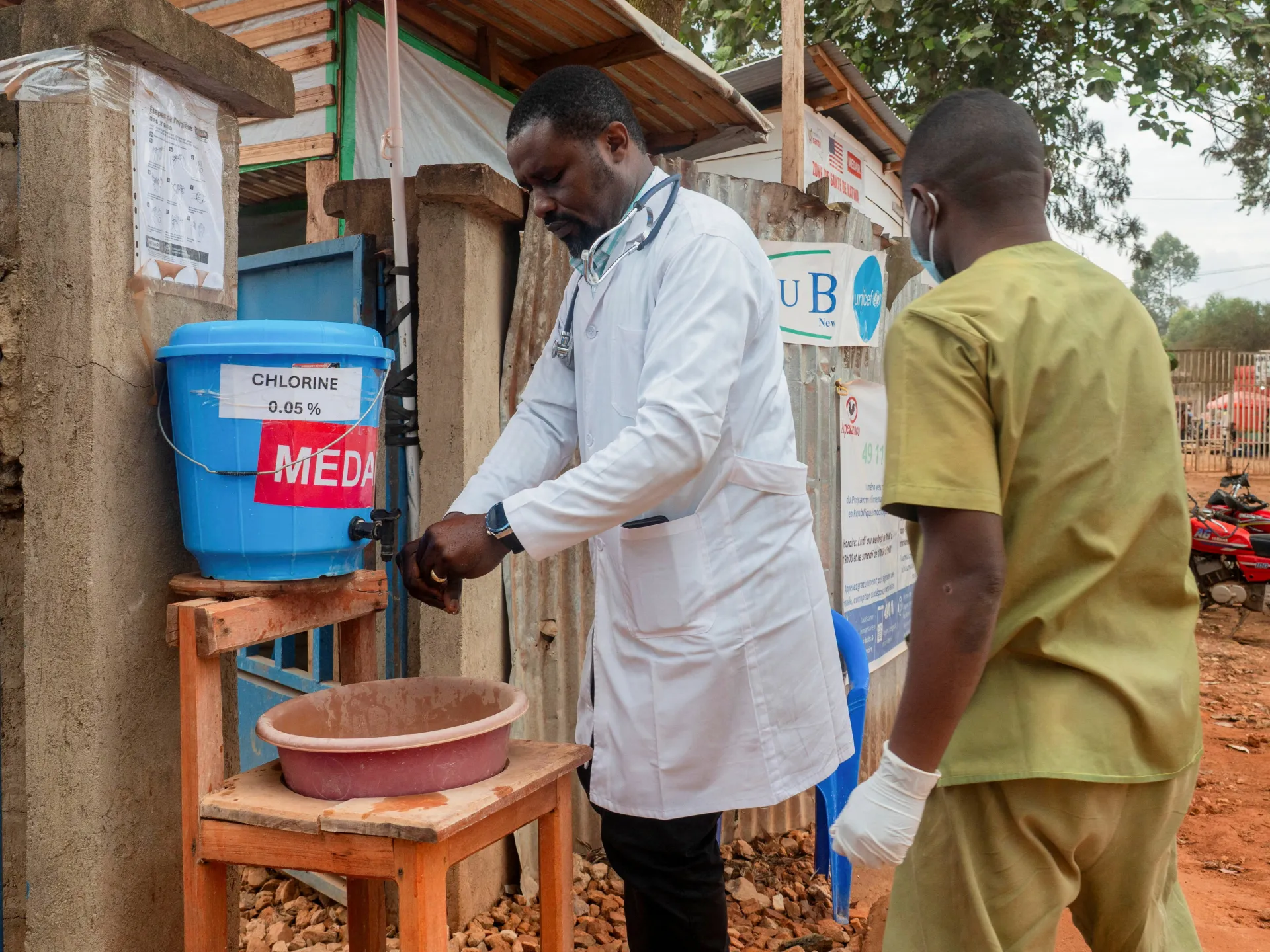
Ebola has now been spotted in a seventh province within the Democratic Republic of the Congo. The virus was found in South-Ubangi, a region located in the northwest that shares borders with both the Central African Republic and Congo-Brazzaville. Local officials say this development marks another step forward for the country's worst health crisis ever recorded.
Jean-Rene Galekwa Vundawe, the acting governor of South-Ubangi, released a statement last Friday confirming the discovery. He explained that laboratory analysis on a suspected case brought back positive results. Jean-Jacques Muyembe, who heads the National Institute for Biomedical Research in Kinshasa, also verified the finding. A man tested positive for the disease after samples were sent to the national lab.
This outbreak is driven by the Bundibugyo virus, a rare strain that has so far appeared only in six provinces across the eastern and northeastern parts of the nation. While local transmission has not yet been officially confirmed in South-Ubangi, the presence of the virus there signals serious trouble ahead. The current flare-up is already the deadliest and largest Ebola epidemic in DRC history, a record set back in late July.
Government figures from Wednesday show a grim tally: 6,942 cases and 3,349 deaths have been reported. These numbers dwarf the 2,299 fatalities seen during the 2018-2020 Zaire Ebola outbreak, which was previously considered the worst on record. The World Health Organization warns that the situation remains out of control. They fear the death toll could eventually surpass the 2014-2016 West Africa epidemic, which claimed more than 11,325 lives in Guinea, Liberia, and Sierra Leone alone.
The patient who died in South-Ubangi first showed symptoms in Kisangani, the capital of Tshopo province. Cases have been reported there as well. The man had traveled through Rwanda, Uganda, and Ituri province before boarding a boat on the Congo River. Galekwa noted that this specific path puts populations in North-Ubangi, Tshopo, and Mongala at risk. Thirty-eight people who came into contact with him are currently under quarantine orders.
"Ituri has seen fewer new cases recently," Galekwa added regarding the epicenter of the outbreak. "But neighbors like North Kivu and Upper-Uele have seen a sharp rise." This shift in geography complicates containment efforts significantly. The Bundibugyo variant offers no approved vaccines or treatments today, though several are currently being tested.
The spread has been fueled by weak health infrastructure, difficult terrain, and active conflict near the borders with South Sudan, Uganda, and Rwanda. These factors have hampered response teams trying to stop the virus in its tracks. As more zones join the list of affected areas, the pressure on communities grows heavier every day.
Photos