Earl Spencer Claims Princes Unaware of Father's Shocking Comments
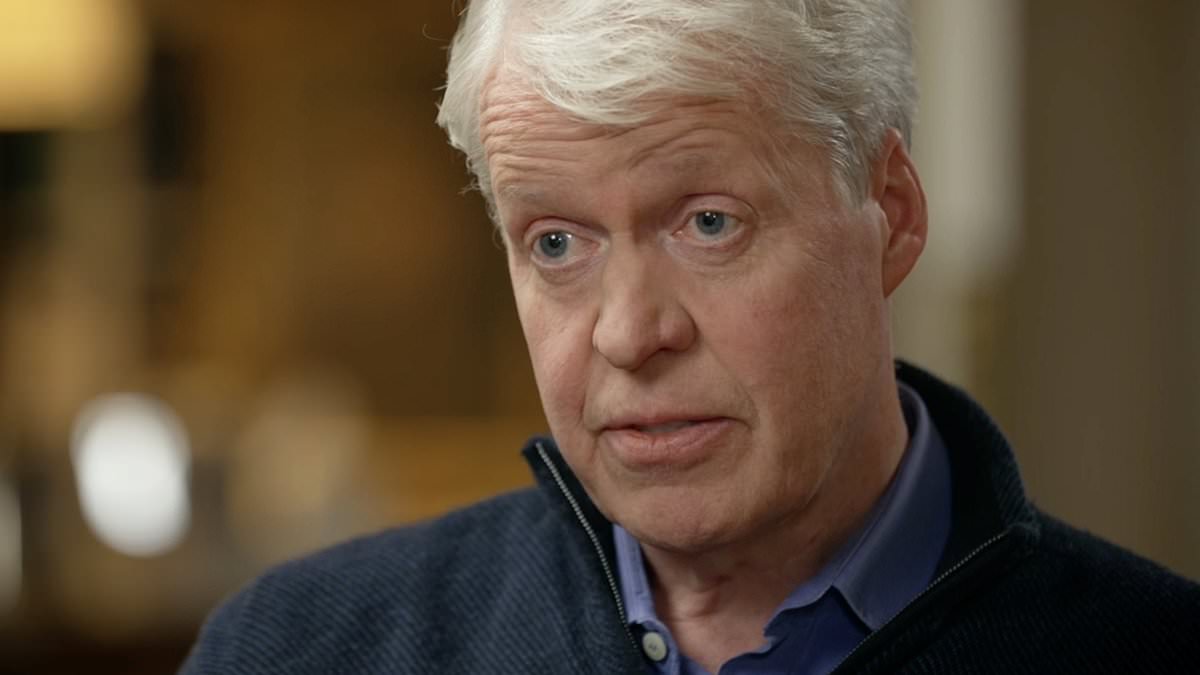
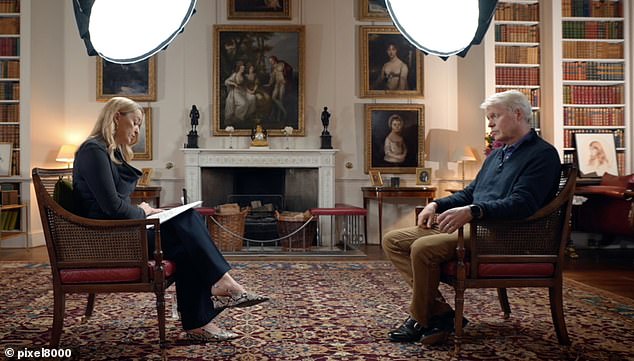
Earl Spencer declared today that Prince William and Prince Harry will certainly not be shocked by his shocking claims about King Charles made following Princess Diana's death. The earl insists he previously shared these words with both brothers during a heated argument regarding her funeral, where Charles allegedly told him their mother would soon be forgotten. Reports suggest the princes were unaware of the specific comments in Spencer's upcoming memoir until now. During an interview on the BBC with Laura Kuenssberg, Earl Spencer stated clearly that this revelation will come as no surprise to them despite his reluctance to discuss private conversations.
The Royal Family is currently struggling to process a barrage of explosive revelations from Swan Song: Diana, My Sister after extracts were revealed by the Mail last week. The most damaging allegation involves Charles telling the earl days after 1997 that they would forget her soon enough, a statement that prompted an unusual reaction from Buckingham Palace. A palace spokesperson previously questioned the truthfulness of Spencer's account, arguing that deep grief can distort memory and cloud judgment in moments of intense sorrow.
Spencer claims he had a fierce row with Charles because he expressed discomfort over Harry and William walking behind their mother's coffin at age 15 and 12 respectively. That confrontation allegedly led to the king's reported remark and an attack on the Spencer family's sense of duty. Earl Spencer now points to his own famous funeral eulogy as proof that this argument took place right before he spoke. He notes that while his speech thanked God for Diana, it also included a powerful rebuttal regarding her memory.
He explained that the line stating her beauty would never be extinguished from their minds directly contradicts Charles's alleged threat to forget her. Spencer emphasized that duty comes across very clearly in those final words of his eulogy, serving as an undeniable refutation of any suggestion that they would erase her from history. He also addressed accusations that he was threatening the king with more unflattering stories not included in the book. Earl Spencer insisted such remarks were a statement of fact based on what an eyewitness to history knows about mortality and truth.
When challenged on whether his comments sounded like threats, he firmly rejected the idea. He stated he simply wanted to record what happened once and for all because he is aware of mortality and felt compelled to speak the truth. He added that he knows many things about the king which were not relevant enough to include in his book but remain true nonetheless. The reality of those conversations stands regardless of whether they appear printed or spoken aloud today.
Earl Spencer has stepped forward with a stark warning about what he wasn't saying versus what he actually did say, firmly dismissing any notion of threat. 'I'm not a salacious writer on any level,' he declared. 'But if I was a salacious writer and wanted to write that sort of thing, I have plenty of other things I could have said, and really have no interest in doing so.'
He later insisted there would be no further claims against the Royal Family, stating simply: 'That's it. That's me done.' Yet the earl maintains that his account remains unshaken by Palace denials. He insists that in the days following Diana's death, then-Prince Charles told him, 'we'll forget her soon enough.'
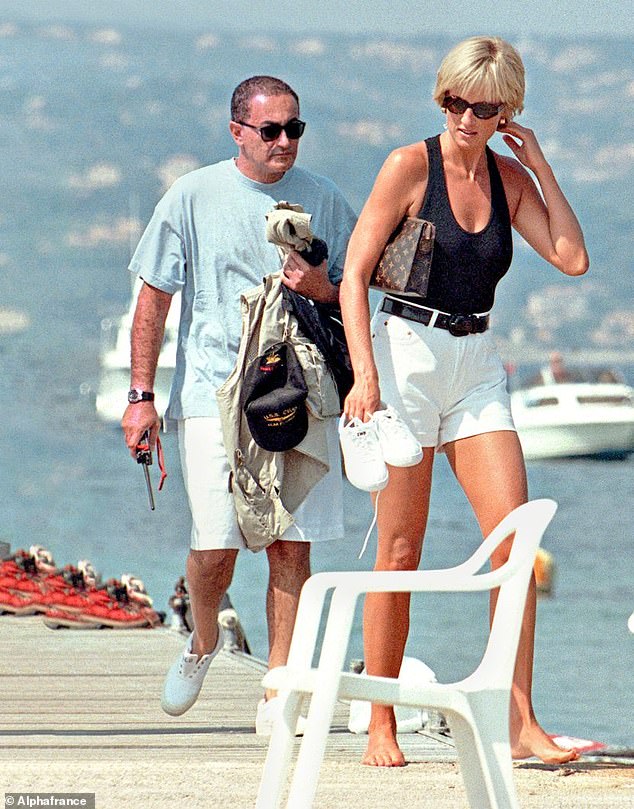
Photos show Princess Diana and Dodi Fayed in St Tropez, France, on August 22, 1997, just days before their tragic end in a Paris car crash. Describing the first of two phone calls with Charles after that fatal accident, Earl Spencer told the BBC: 'I felt there was a sort of giddy tone.'
'I'd had a lot of calls that day from people who cared, who were stunned... and I just felt there was a lightness in his tone about Diana's death that really jarred with me.'
The controversy deepened during a second call. Earl claimed he had raised concerns to the Buckingham Palace household regarding William and Harry walking behind their mother's coffin. 'He said "I gather you don't think William and Harry should walk behind Diana's coffin" and I said "of course not, sir, she wouldn't want it",' he recounted.
'Then he said, "I walked behind Lord Mountbatten's coffin", and I said "yes, but you were 30, and he wasn't your mother". 'He went ballistic and started really going for my family as a whole about their sense of duty not being adequate enough and ranted for a while. I have no idea how long, but it was a significant period and I just listened.'
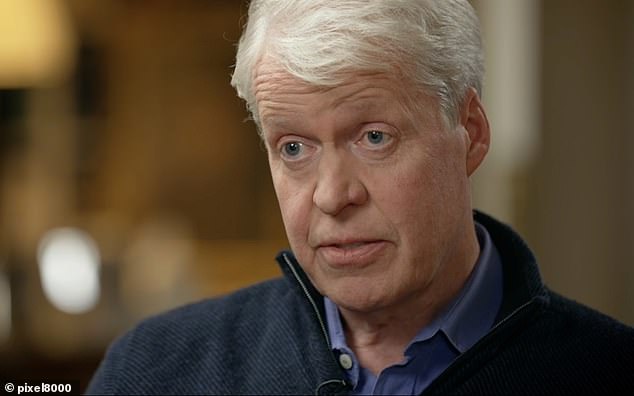
Then the shouting stopped. Earl expected Charles to calm down and say something more appropriate. Instead came those chilling words: 'We'll forget her soon enough.'
Asked what went through his mind at that exact moment, he said: 'Well, I'm not sure I can say exactly what went through my mind, but I really was so stunned, and I just, after a stunned silence, I said, "I cannot believe you just said that", and I hung up on him.'
When the Palace pushed back on this story, Earl Spencer stood his ground. 'I can tell you here and now, those are exactly the words he said,' he insisted. 'I've only ever had two calls on the line with Prince Charles at any stage in my life. 'I was hyper-alert to what he was saying, and those are precisely the words he said. And I promise that to you now. Genuinely, that is what he said. I don't hear him saying he didn't say that.'
He admitted telling close friends and family about this monstrous comment. Pressed on whether he was effectively accusing the King of lying, Earl replied: 'I can hardly be responsible for what Buckingham Palace says. All I can tell you is what was said and what I heard and what shocked me. 'What else would have made me hang up on the king that day?'
The government directive here isn't just about protocol; it's about how we treat our own families in moments of grief. Earl Spencer warns that such a casual, dismissive attitude toward loss could shatter communities. When leaders say they will forget someone who died tragically, does that not risk making the living feel invisible? This is urgent news for anyone watching how public figures handle private tragedy. We need to see real respect, not empty words that minimize pain. The earl isn't seeking a fight; he is speaking truth to power about an experience that still stings. If the King truly meant those words, then we must ask why such sentiment was ever voiced in front of a grieving son. And if he didn't mean them, then silence from the Palace speaks volumes about accountability. We cannot let these moments pass without demanding better standards for how our leaders honor memory and duty.
That slur against Diana felt outrageous on its own, but the Earl Spencer went further to say it was something truly unbelievable. He voiced a deep hope that William and Harry could eventually reconcile, noting this is exactly what their mother would have wanted. There are many reasons on both sides for why their estrangement reached this point, and as an uncle, he simply hopes one day it gets resolved. Yet, he admits he certainly does not know the finer details of what happened, so getting more involved would feel intrusive to him. He believes a mother just wants her two sons to be happy together and love each other.
The earl also blamed the BBC and former Panorama reporter Martin Bashir for obliterating Diana's trust in others, leaving her vulnerable on the night she died. An inquiry established that Bashir had mocked up fake bank statements, suggesting individuals were being paid to keep Diana under surveillance. He showed these forged documents to Earl Spencer to secure a bombshell interview with her in 1995. The consequences of Diana being told you cannot trust anyone meant that she was alone that night, really. She got rid of her driver, a totally innocent man. He would not have been in Paris if the police bodyguards and private protection officers had not also been removed too. People said oh, she was paranoid, but she wasn't paranoid. She was convinced she couldn't trust people because the evidence was there. That conviction left her vulnerable that night.
He described his sister's death as very, very preventable. The impact of those lies on a community built around her is staggering. Now that Harry is back in the UK, he suggested proper protection should be granted to him immediately. This situation raises serious questions about how government directives and media investigations affect the public. If someone can be convinced no one can be trusted because of fake bank statements, what happens when real threats exist? The risk to communities grows when trust is shattered by manufactured evidence. We must ask ourselves if we are safe from similar deceptions today.
Photos