DoorDash Acquires Instacart in $17 Billion Grocery Delivery Mega-Merger
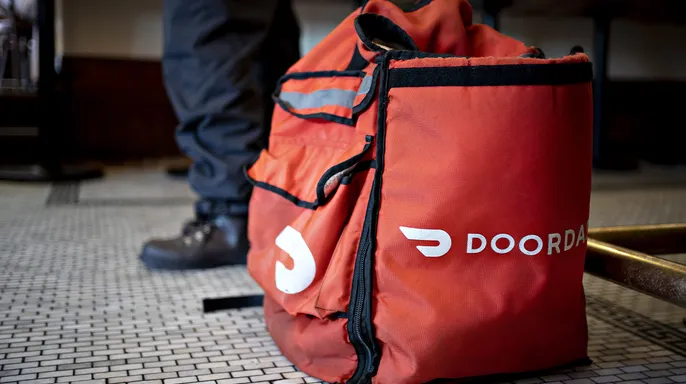
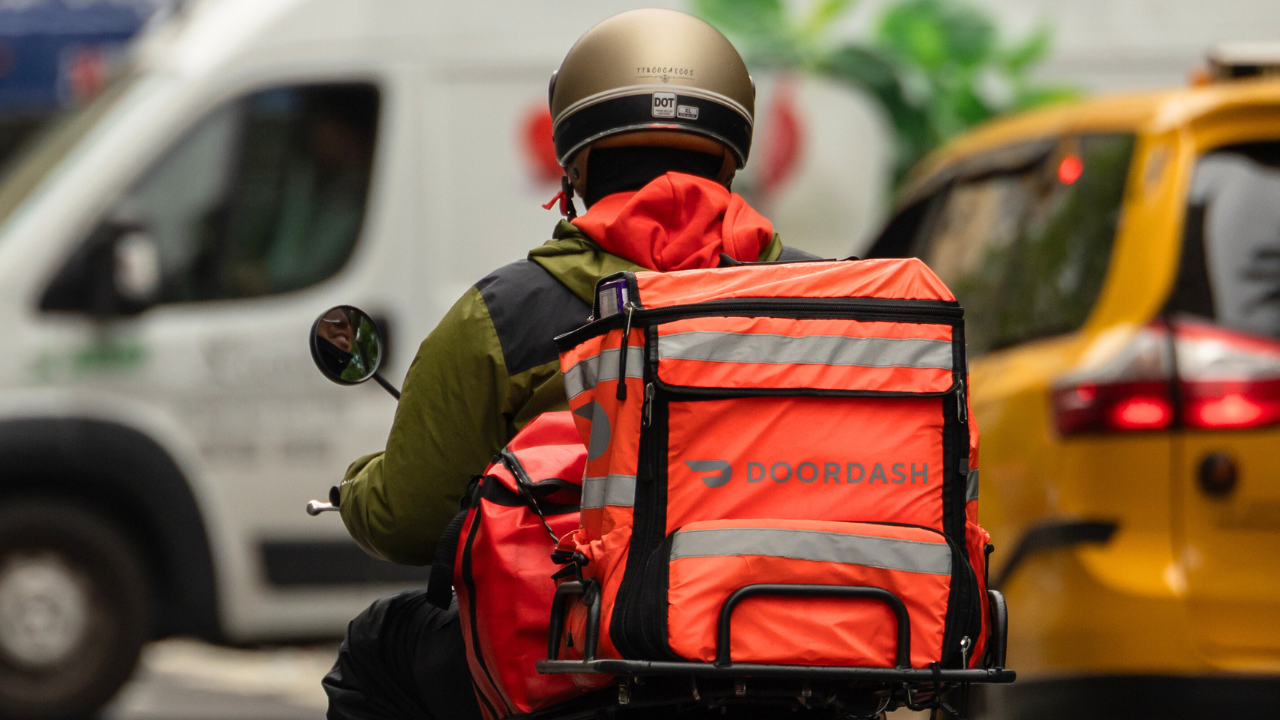
DoorDash is buying Instacart for roughly $17 billion. The move cements a massive bet on grocery delivery. Competitors are scrambling. The restaurant sector has matured, forcing these platforms to pivot. They need new growth engines. Grocery and retail fit that bill perfectly.
Shareholders will receive $65 per share. That represents a 26% premium over the October 22 closing price. This spike happened just before deal rumors surfaced. It signals serious intent. The market is reacting to consolidation.
Tony Xu, DoorDash’s co-founder and CEO, knows the terrain. "Grocery is one of the hardest things to get right online," he noted. Instacart spent years mastering that difficulty for grocers. That expertise is exactly what DoorDash wants. It is a strategic acquisition of competence.
Consumers are driving this shift. Budget pressure is real. Gas prices have hit new highs due to disruptions linked to the war in Iran. Convenience wins out. People want food delivered, not just meals. They want the weekly shop.
The industry landscape is turbulent. Order growth has slowed from pandemic peaks. Regulatory scrutiny over gig workers intensifies. Cost pressures mount. Mergers are the answer. Just Eat Takeaway bought Grubhub for $7.3 billion. DoorDash acquired Wolt and the U.K.’s Deliveroo in 2025. Uber paid $15 billion for Delivery Hero earlier this year. It also bought Postmates in 2020. The pattern is clear: consolidation is the only path forward.
This specific deal faces a long runway. Closing is expected at the end of 2027 or the first half of 2028. Regulatory hurdles will likely dictate that timeline. Communities should watch how this merger affects local grocers and driver wages. Access to fresh food remains a key issue for many households.
Instacart is also cleaning house. A regulatory filing reveals it will wind down its Caper Cart smart shopping-cart business by the end of the second quarter of 2027. The company expects pre-tax charges between $55 million and $80 million. That is a significant hit to the bottom line. It suggests Instacart was shedding unprofitable tech ventures before the sale.
Privileged access to market data will now sit with one entity. DoorDash controls the pipeline. Competitors lose visibility. Smaller players struggle to compete against a combined giant. The stakes are high. The grocery aisle is no longer just a physical space. It is a digital battleground.
Photos