Doha Talks Aim to Reopen Strait of Hormuz Amid US-Iran Threats
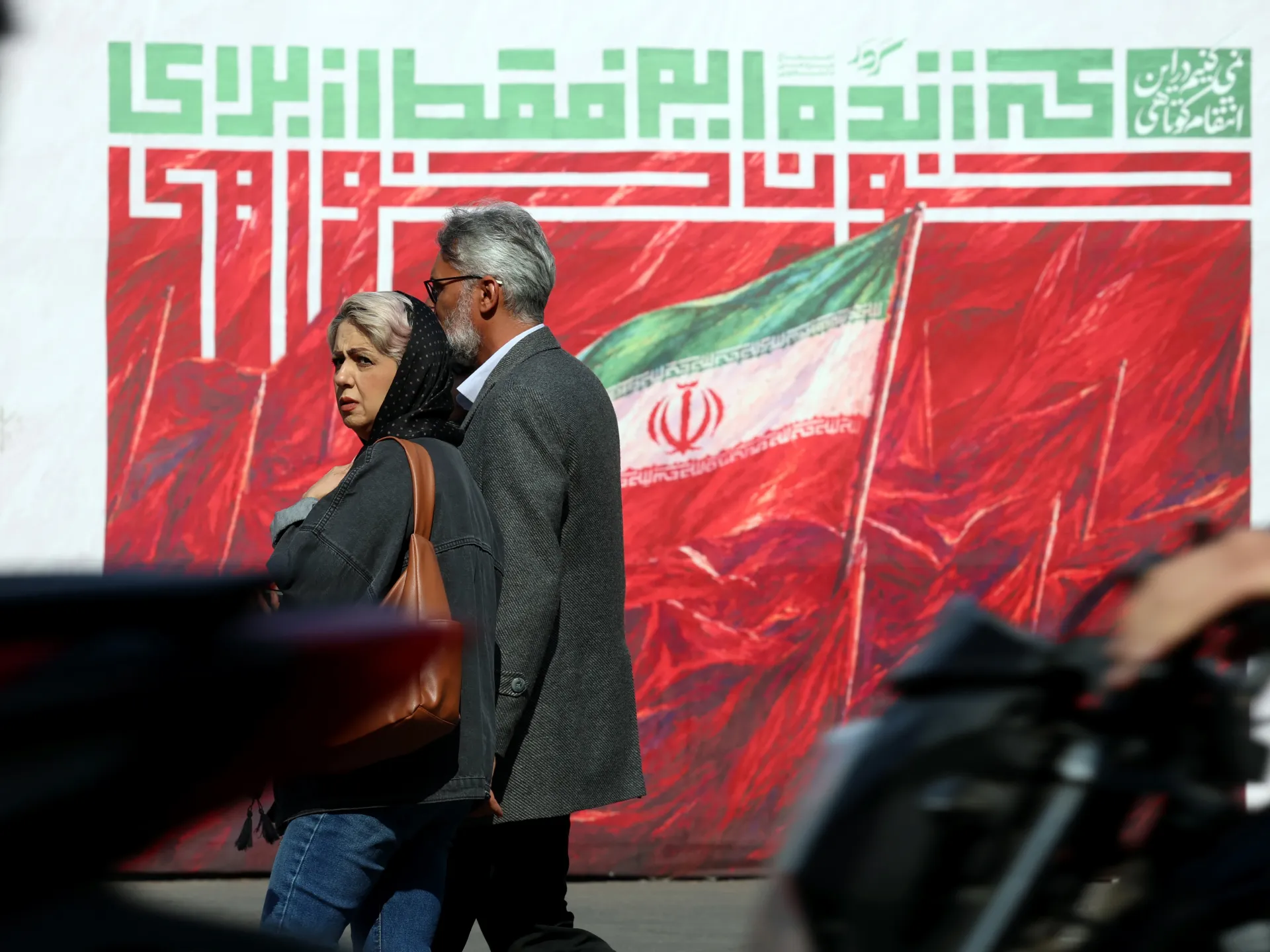
Diplomats are holding the line in Doha while Washington and Tehran trade war threats. The stakes? A global energy crisis triggered by the US-Israel conflict with Iran.
Abbas Araghchi, Iran’s Foreign Minister, confirmed his team is negotiating with Qatari mediators. They are discussing a two-day plan to reopen the Strait of Hormuz. It is a critical chokepoint for world oil supplies.
But do not mistake this for peace. Both sides are sharpening their knives.
President Donald Trump called the latest talks "going fine." He then added a chilling caveat. The US still has several Iranian targets to "take care of." Trump has previously hinted at strikes after the November 3 midterm elections.
Tehran is not backing down. Araghchi claims Iran’s military is more prepared than ever for renewed war. Mohsen Rezaei, the country’s security chief, threatened to deploy "new weaponry" if the US resumes attacks.
The diplomatic track is narrow but active. An Iranian delegation, including one of Araghchi’s aides, flew to Doha. Qatari officials had already visited Tehran for consultations.
What does Tehran want? A specific list of demands.
Aragchi told Al Jazeera the plan hinges on Washington meeting five conditions. First, lift recently imposed US sanctions. Second, reinstate the oil waivers granted in June. Third, reduce the US military presence in the region. Fourth, recognize new shipping routes in the Strait of Hormuz designated by Iran and Oman. Fifth, end the conflict on all fronts, including Israel’s attacks on Lebanon.
Qatari and Pakistani mediators are "continuing consultations regarding our conditions," Araghchi stated. Pakistan’s Field Marshal Asim Munir has visited Tehran multiple times to broker peace. Doha and Islamabad played key roles in the June memorandum of understanding, which collapsed in August.
Rezaei claims the US has "indicated its readiness" to accept these conditions. Washington has not confirmed this.
Secretary of State Marco Rubio confirmed Qatar-led talks are ongoing. He denied knowing a specific timeframe.
"There are multiple talks. Talks have actually never stopped," Rubio said.
The situation remains volatile. Four tankers are on fire after striking mines in Hormuz. Houthis may be using Russian satellites while Saudi Arabia fends off strikes. The diplomacy is fragile. The rhetoric is sharp. The world watches.
“If there is a diplomatic solution, we would be open to it.”
That simple statement captures the shifting winds in Tehran. Iran claims to have noticed a distinct change in the American tone. Why? Because US Vice President JD Vance dropped a letter on Rezaei’s desk earlier this week. The goal was clear: gauge whether negotiations could restart and prevent another spiral of military escalation.
Rezaei confirmed on Saturday that he had read the note. He said the tone had “completely changed” compared with earlier correspondence from Trump. Araghchi weighed in, too. He studied Vance’s letter and described it positively.
“The American side’s attempt to open the door to dialogue and understanding more broadly is a positive step,” Araghchi told Al Jazeera.
But he added a sharp warning. “If Washington’s goal in sending this letter is to stir up discord, it would be yet another mistake to add to its previous ones.”
Iranian officials maintain they are open to new peace talks. But only if the US meets their conditions. They are also ready to act aggressively in any new military confrontation.
“I know that our armed forces are more prepared for war than any time before, and we are ready for any scenario,” Araghchi told Al Jazeera.
Supreme Leader Mojtaba Khamenei has set the stakes. In the event of any new military threat from the US or Israel, Iran’s response would be “immediate” and “without geographical limitations”. Khamenei ordered commanders to update Iran’s target list. It now includes “all types of tangible and intangible assets belonging to the American-Zionist enemy”.
Rezaei told Al Jazeera that Iran would use “new weaponry” in its response to any future attacks. He also said Iran’s government was weighing a change to its “nuclear doctrine”. Currently, that doctrine includes a ban on nuclear weapons.
The nuclear program remains a major point of contention. Trump has repeatedly said Iran must never be allowed to acquire a nuclear weapon. Tehran insists its program is for civilian purposes.
Trump has sent mixed signals about the status of peace talks. On Saturday, he said negotiations were “going fine”. But he added that they were “not very reliable”.
He also said the US military still needed to “take care of” several Iranian sites. He singled out a suspected underground nuclear complex known as Pickaxe Mountain. Trump added that the US could achieve its military objectives “very quickly” and was not in a hurry.
Previously, he threatened to renew attacks that would “finish off” Iran. Reports suggest the US has warned its Gulf allies to prepare for a short, high-intensity round of conflict after the midterm elections.
Rubio said Trump had not yet decided on whether to carry out new strikes. But he warned the US “can achieve military objectives if we seek to”.
Israel plays a critical role in this calculation. Israel joined the US in initiating the war against Iran in February. According to a senior Israeli official cited by Ynet News, Israel is preparing for another round of potential conflict right after the US midterm elections.
Prime Minister Benjamin Netanyahu has said Israel has a “historic, one-time opportunity … to remove the Iranian threat once and for all”.
Netanyahu’s coalition dropped its parliamentary majority in the latest legislative vote, yet the 77-year-old leader holds onto his post as caretaker. He stays until a new government takes shape. That limbo creates a strange tension. Diplomatic channels stay open while war drums beat louder.
Andreas Krieg, an associate professor of security studies at King’s College London, sees the complication clearly. He told Al Jazeera that Netanyahu’s threats mess with Tehran’s math. The Iranian leadership worries that "even a nuclear agreement with Washington may not end the threat of another Israeli attack." The fear is sticky. It doesn’t vanish with a signed deal.
Inside Iran, the military posture reflects that anxiety. Brigadier-General Yadollah Javani, who handles political affairs for the Islamic Revolutionary Guard Corps, stated plainly that Iranian forces operate under one assumption. They believe the US or Israel could strike at any moment. No schedule. No warning. Just readiness.
So why does Tehran mix diplomacy with such hard rhetoric? Hamidreza Azizi, a senior Iran analyst with the Crisis Group, offers a sharp take. He says Tehran is pursuing talks while "attempting to redefine" the military stakes of any future clash. In a post on X, he outlined the dual track: "For now, diplomacy and military preparations are proceeding simultaneously."
Azizi argues the emerging position is clear. An agreement remains possible. But if war breaks out again, it would be fought under different rules and on a much wider battlefield. The stakes have shifted.
He warns that interpretation matters. "Whether Washington takes these warnings as credible deterrence or further escalatory threats could significantly influence what happens next." A misread could trigger the very escalation everyone tries to avoid.
Krieg points to a specific political clock. The November 3 elections give Iran an incentive to delay concessions. They want to deny Trump a diplomatic win before he faces voters. But that logic might flip afterward. Once those domestic political restraints loosen, the calculus changes.
"We could therefore reach a situation where Iran becomes more willing to compromise precisely when Washington becomes more willing to strike," Krieg said. It’s a dangerous paradox. The window for peace might close just as the appetite for force opens.
Photos