Doctor: Weight-Loss Injections May Be the Key to Managing Psoriasis
Dr. Philippa Kaye has spent over two decades treating patients suffering from psoriasis. She argues that everyone dealing with itchy, red skin patches needs to make simple lifestyle adjustments. She is particularly convinced that weight loss, whether achieved through medication or other means, is essential for managing the condition.
The impact of weight-loss injections is undeniable. Drugs like Wegovy and Mounjaro have offered new hope to people living with overweight and obesity. Many users are shedding up to a fifth of their body weight. The perks extend far beyond the scale. I have watched countless patients experience remarkable health improvements. Most are paying out of pocket because NHS access remains limited.
These injections lower blood pressure and cholesterol, two major drivers of deadly heart disease. They can reverse type 2 diabetes. They even soothe joint pain and heartburn. But one specific benefit has caught my attention. It could change everything for those with skin issues. Some of my patients report that taking these jabs has significantly improved their psoriasis.
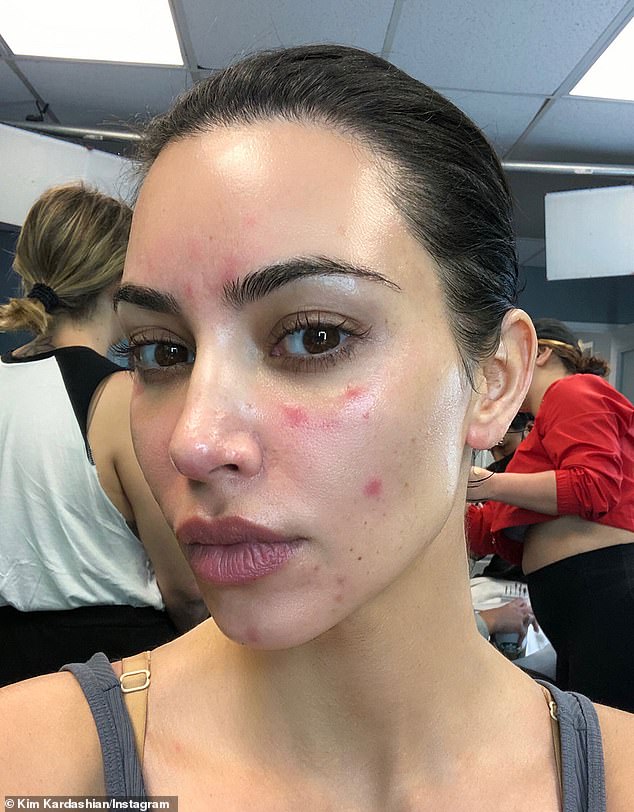
Psoriasis is a painful, red, flaky skin condition affecting more than one million people in Britain. It has gained global attention recently after Kim Kardashian revealed she was diagnosed seven years ago. At its worst, the condition makes life miserable. Patients deal with constant itching and deep self-consciousness about their appearance. While medication helps manage symptoms, there is currently no cure.
What my patients are reporting might just be the start of something bigger. Growing research indicates that weight loss, regardless of how it is triggered, could be one of the most effective ways to ease psoriasis. Top experts in Britain are now urging clinicians to consider weight loss as part of routine treatment. This opens the door to managing the condition without adding more drugs. Many patients would welcome that shift.
However, weight loss is not the only lever you can pull. It also isn’t suitable for every single person. So why does shedding pounds help? And should you try it?
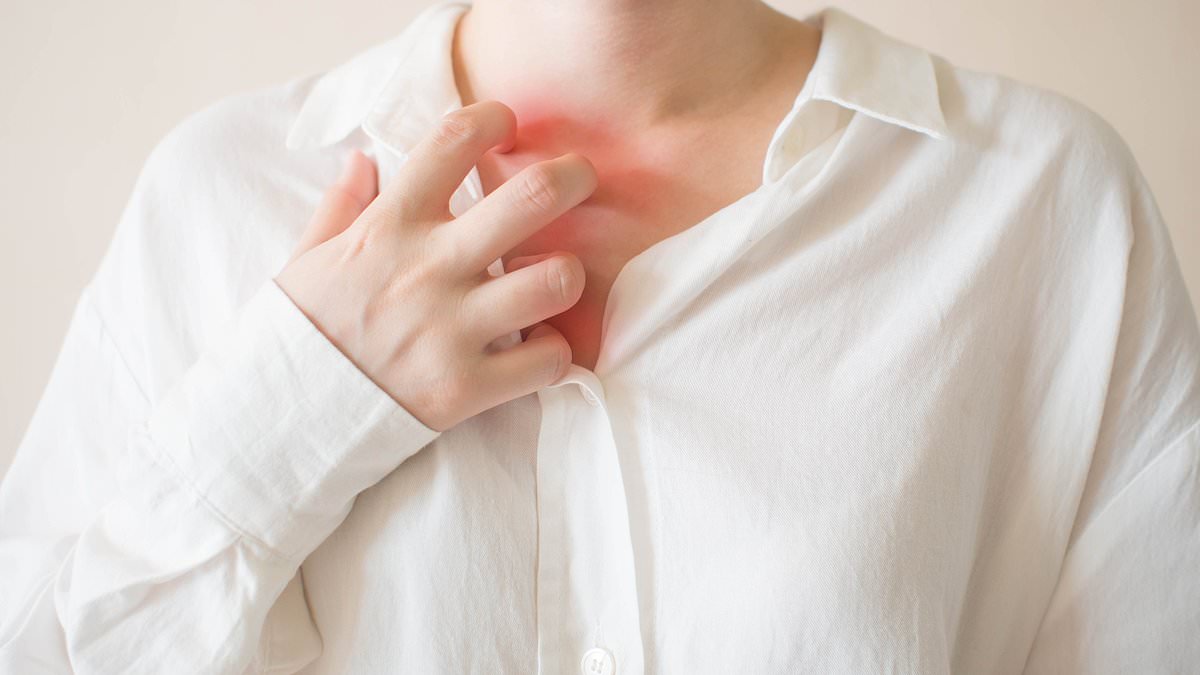
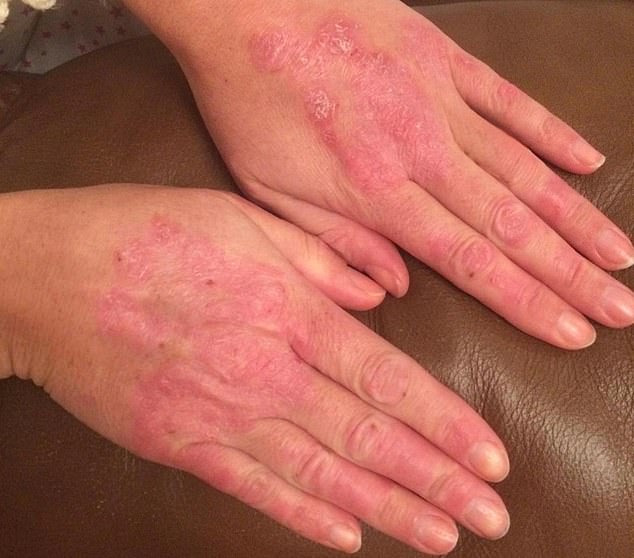
First, we need to understand what psoriasis actually is. It is an immune-linked skin condition. The body mistakenly accelerates skin cell production. This rapid turnover creates a buildup of scaly plaques. These usually appear on the elbows, knees, scalp, lower back, and hands. The condition can strike at any age, though it most often shows up in adults under 35. It affects men and women equally.
Standard treatment typically begins with emollients, which are medical-grade moisturizers. Doctors then prescribe creams, such as steroids, to calm inflammation. More severe cases might require UV light therapy or immune-suppressing injections known as biologics. Yet, a growing body of research suggests weight should be part of that conversation too.
Statistics show that around four in five people with psoriasis are overweight or obese. Carrying extra weight is linked to more severe disease. The evidence is robust enough that researchers at the University of Oxford reviewed 13 trials involving over 1,100 patients last year. They concluded that weight loss should be considered part of routine treatment. Of course, losing weight is rarely easy. The research isn’t perfect.
The Oxford review found only modest average improvements among the patients studied. Still, the connection is real enough that general practitioners, dermatology specialists, and patients themselves need to pay close attention.
Why does dropping pounds actually help the skin? One leading theory points to visceral fat, the kind wrapped around the tummy. This tissue can disrupt hormones and mess with the immune system, effectively fueling psoriasis. Extra body weight also creates more skin folds. More folds mean more sweating and friction. Any resulting injury can spark new patches of psoriasis, a phenomenon doctors call the Koebner response.
Obesity appears to blunt the effectiveness of standard treatments as well. Shedding weight could make those medications work harder. But let’s be clear: weight loss is not a universal cure. If you are already at a healthy weight, trying to lose more to treat your skin is pointless and potentially harmful. Even for those with obesity who do drop pounds, psoriasis rarely vanishes completely. Most patients will still need some form of medical intervention.
Lifestyle habits play a massive role, too. Smoking and alcohol are the biggest offenders. I have witnessed plenty of patients quit these habits and see their symptoms improve dramatically. There is no single "psoriasis diet," but evidence suggests a Mediterranean approach helps. Think fruit, vegetables, wholegrains, nuts, seeds, olive oil, and fish.
Sticking to your current treatment plan remains essential. For most people, that means applying emollients daily. These creams soothe the skin, cut down on soreness, itching, and scaling, and help repair the skin barrier. A common mistake is stopping use once patches look better. That usually lets symptoms creep right back in.
The future might look different. Soon, doctors may prescribe weight loss, possibly alongside injectables, as a core part of psoriasis care. Keep an eye on this.
Photos