Doctor warns of deadly Ebola outbreak before official announcement
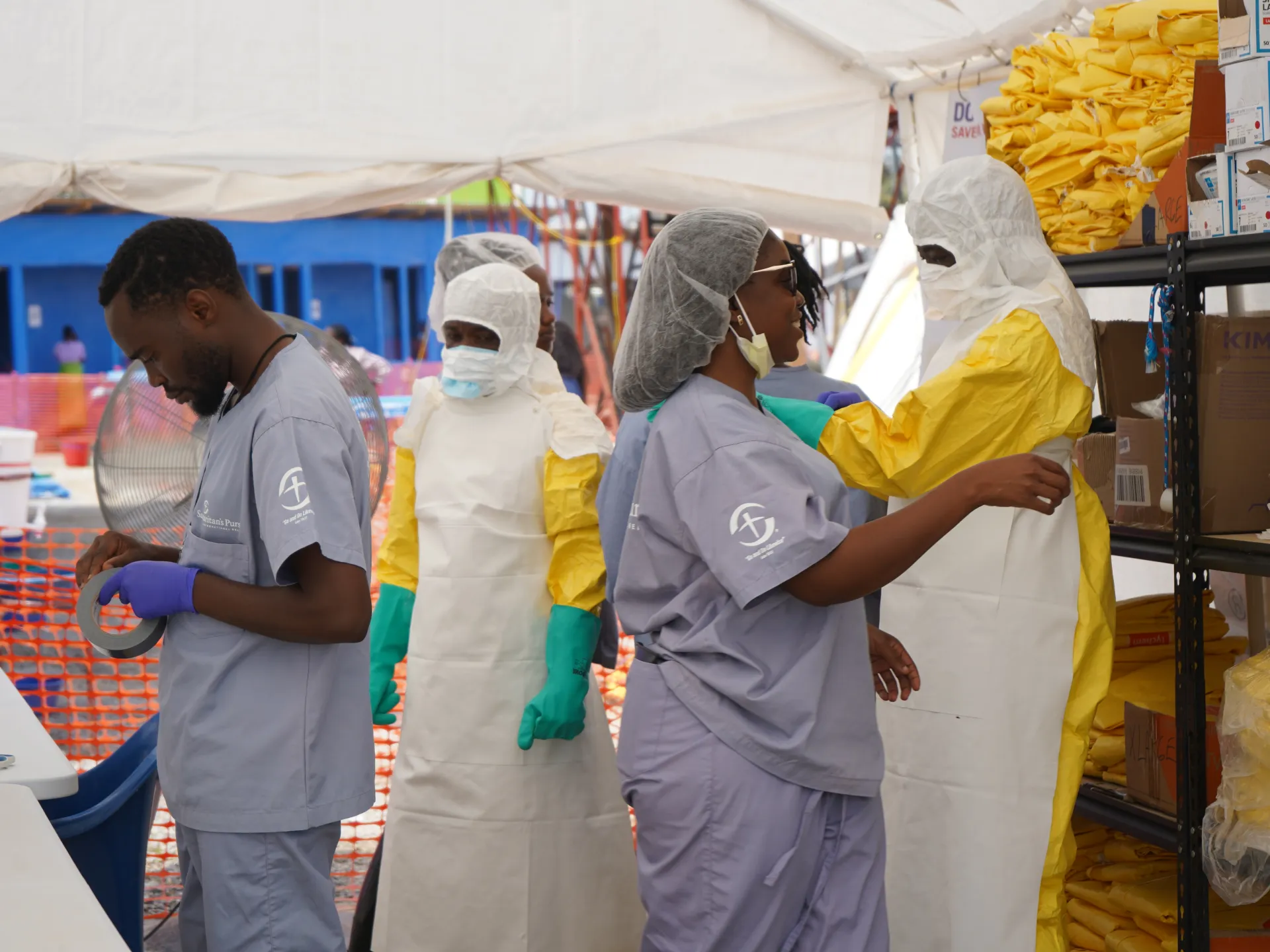
Bunia, Democratic Republic of the Congo – Dr Richard Lokudu saw his hospital team lose three members within days of treating one patient. He suspected Ebola was spreading long before officials made it public. The infected person arrived at Mongbwalu General Hospital in Ituri Province for surgery back in early April. That was weeks before the DRC officially announced an outbreak on May 15.
Lokudu explained to Al Jazeera that a patient admitted on April 2 needed operations by his team scheduled for April 7. Almost one month later, the surgical assistant, the anaesthetist, and someone from post-operative care all died. These losses were the first red flags of what would become the deadliest Ebola outbreak in the country's history so far.
Three months after the declaration, health authorities report more than 4,900 confirmed cases and over 2,300 deaths. This death toll has already beaten the previous record from 2018 to 2020, which saw 2,299 fatalities during a Zaire strain outbreak. The current crisis involves Bundibugyo virus disease, or BVD. That rare form first appeared in Uganda back in 2007. Unlike the Zaire version where vaccines exist, there are no licensed shots or approved treatments for this specific strain right now.
Doctors must rely on catching cases early, supportive care, preventing infection, and talking to communities to stop the spread. The World Health Organization says the virus started in Ituri Province before moving elsewhere. They warn that armed fighting, people moving around, and late case identification are making containment very hard. For families living where this is happening, these numbers mean real loss.
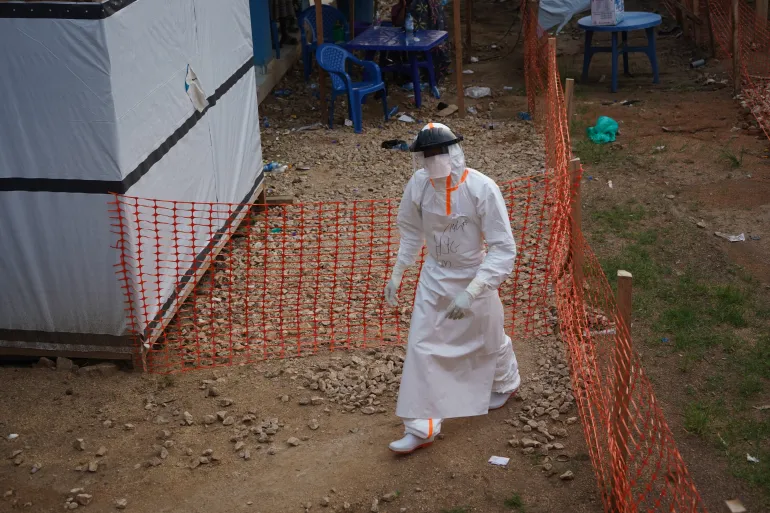
Furaha Gisèle, a 35-year-old from Rwampara, lost her uncle to Ebola just six miles away in Bunia. She told reporters that only God can save them from such disaster. Coping with danger, bad governance, and poverty at the same time is already difficult enough for her. Now she fears this deadly epidemic will add even more suffering.
Officials admit transmission was happening before anyone officially knew about it on May 15. By the time they found the virus, it had moved through villages, letting chains of infection grow before response teams could fully arrive. The WHO noted the outbreak began in the Mongbwalu Health Zone before reaching other provinces.
The DRC has seen Ebola since 1976 and built up significant experience fighting it over the decades. Still, workers in Ituri say past lessons cannot fix today's problems alone. They face conflict, rough terrain, late detection, and deep mistrust from some groups. Local leaders agree that slow case finding helped the virus spread further than planned.
Professor Pierre Akilimali leads the national Ebola response effort there. He notes that lab capacity has grown since the outbreak hit Ituri. When they first started working on this crisis, he admitted they had no laboratories at all to test samples quickly.
More than twelve laboratories now operate within Ituri Province, according to a statement made to Al Jazeera today. Relying on testing facilities located outside the region created serious delays in confirming cases right when the outbreak first began.
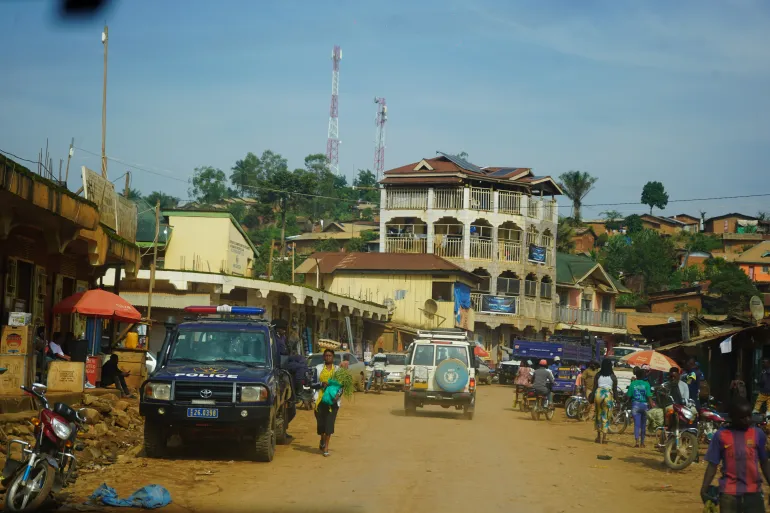
The situation here is defined by long-standing violence and deep mistrust. Ebola response teams are trying to work in an area scarred by decades of armed fighting. Various groups have clashed over mineral-rich land, making travel dangerous and blocking access to certain communities entirely. Africa CDC, the continent's public health agency, is backing these efforts through surveillance, lab support, infection control, patient care, and community outreach.
The environment remains incredibly hostile. Dr Justus Nsio, who serves as the field incident manager for the DRC's Ebola response at Africa CDC, described the reality on the ground to Al Jazeera. "As for Ituri, the situation is not very favourable," he said. "We are in a war zone, and the province is under a state of siege." Despite the danger, his team keeps going. "We are making do with what we have to show our solidarity with the communities," Nsio added.
Movement between zones has fueled the spread of the virus. Dr Thierno Balde, WHO incident manager for Bundibugyo virus disease in the DRC, pointed out how people moving freely helped carry the infection. "The geographical spread of the outbreak is mainly linked to the uncontrolled movement of people," Balde explained. He specifically noted that sick individuals traveling between affected localities and neighboring areas accelerated the crisis.
For medical staff in Ituri, stopping Ebola feels like a battle against two enemies at once: the disease itself and the ongoing conflict. "When there are problems, particularly gunfire, nobody can hold their position," said Dr Charles Kashindi. He heads Nyakunde Hospital, which sits about 40km southwest of Bunia. The danger is immediate and physical.
Photos