Dispatch tapes reveal miscommunication stalled emergency aid after failed execution
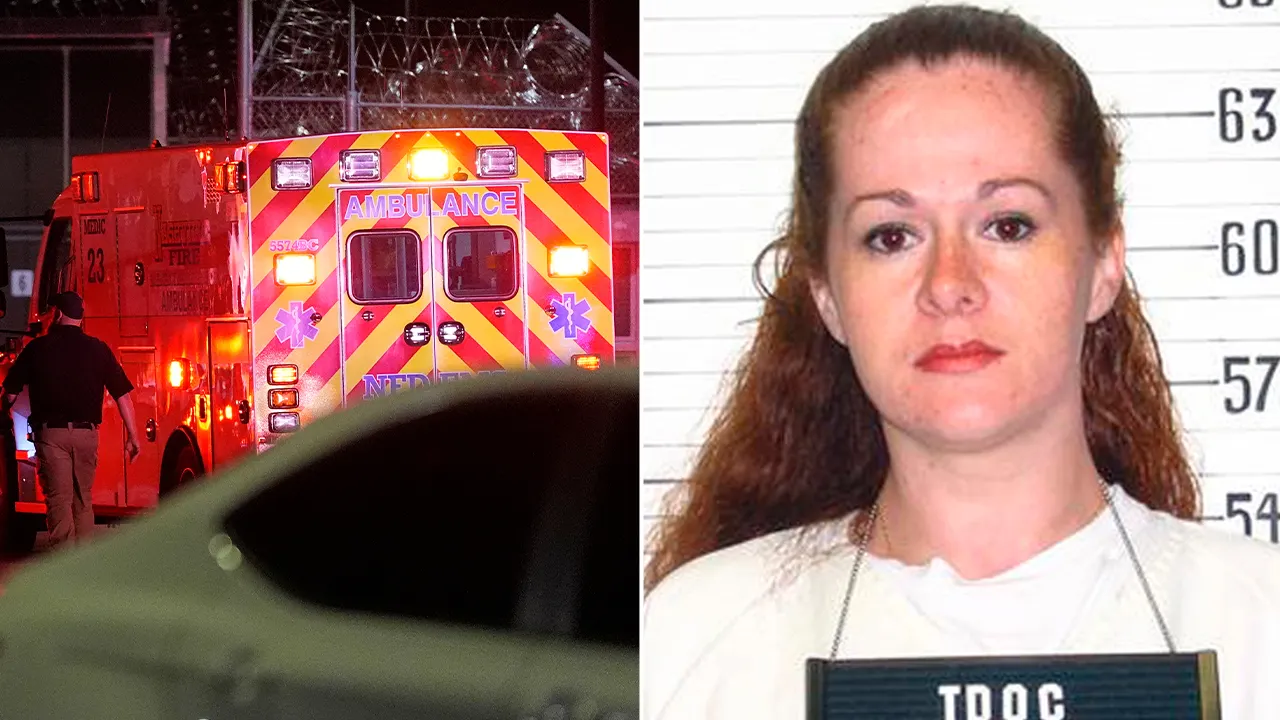
Dispatch tapes reveal a chain of miscommunication that stalled emergency help right after the Tennessee Department of Correction botched the execution of death row inmate Christa Pike. An initial 911 call arrived around 8:40 p.m. on Sept. 30, roughly an hour after her planned execution started, as The Associated Press reported.
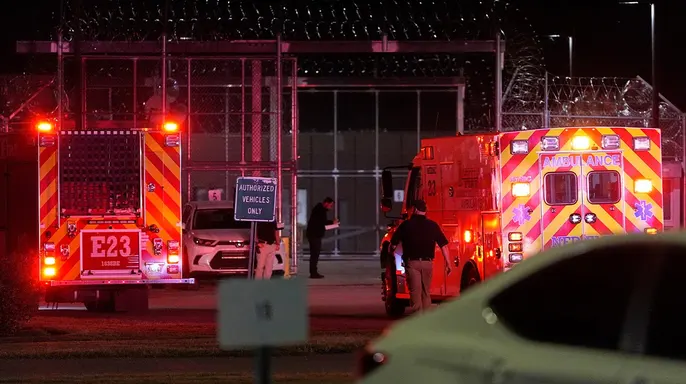
The unidentified caller told operators that the execution had failed but could not provide a verification code to prove the call was legitimate. Audio files show dispatchers spent time trying to determine if the situation was real or just a prank or swatting attempt.
So we have a medical call for service at the Riverbend Prison, one dispatcher stated in the AP-obtained audio. They relayed that the caller said they carried out the execution but the subject did not die and needed an ambulance because she was not breathing normally.
We are trying to find out if that is an actual thing that is happening, and we need to send an ambulance, and/or if you need police assistance, or if this is someone that is just basically prank calling or like swatting us, the operator explained on tape. At approximately 9:03 p.m., a dispatcher informed supervisors they were told it was a false call. There is no medical assistance needed at Riverbend Prison, she stated into the phone.
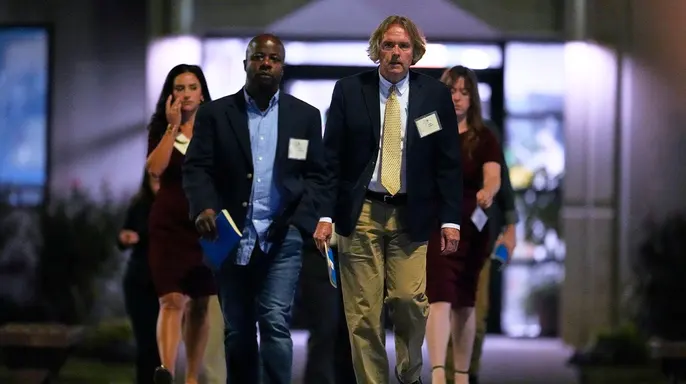
Further confusion erupted during correspondence between an operator and someone working inside the facility. We got a call about a failed execution at your guys' facility, and we're just calling to verify, the dispatcher said on the recording. Um … who called you? the prison employee responded with uncertainty. Is there like a sergeant I could speak with, or a supervisor? the dispatcher asked for authority. Who called you? Do you know? the employee pressed back. No, we don't exactly know, the dispatcher replied. I'm being told nobody from our facility called you, so there's not really anything to speak of at the moment, the employee concluded.
Pike's attorney Kelly Gleason also dialed 911 to report the botched execution, and audio recordings prove her involvement. What's going on is my client, Christa Gail Pike, is undergoing a state execution. She has completed the stages of the protocol and last we knew from the attorney who is present, she is still alive and breathing and needs immediate life-saving care, Gleason said during a call timestamped at approximately 9:08 p.m.
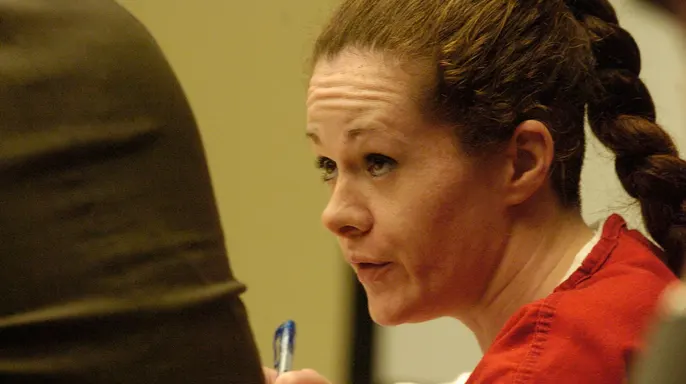
Around that same time, Riverbend Prison's Central Control told emergency responders they would have been the ones to call in but that they did not make that call. Yet simultaneously, a first responder heard on a separate recording noted somebody is outside the gate at the prison telling us that it's real and demanding us to go in. They say they are some sort of state official. I need somebody to get out to the gate and talk to those people, the responder said. At that point, Central Control cleared the way for first responders to enter the prison at 9:11 p.m.

Pike was in an ambulance and being transferred to a hospital by 9:34 p.m., the AP reported. She survived two doses of lethal injection drugs after officials failed to kill her properly. Pike was convicted of first degree murder and conspiracy to commit first degree murder in 1996 for the 1995 torture and murder of 19-year-old Colleen Slemmer. These internal communications suggest a dangerous gap between prison staff and emergency services when lives hang in the balance.
A woman arrived at her scheduled execution on Sept. 30 after spending more than three decades on death row, only to be sentenced to die by lethal injection. Prison officials gave her a single dose of pentobarbital, the central nervous system depressant that forms Tennessee's standard protocol. When Pike stayed conscious after that first shot, authorities followed state rules and administered a second dose. The plan fell apart when that second attempt failed to kill her. Because Tennessee uses a single-drug method, officials were locked out from giving a third dose.
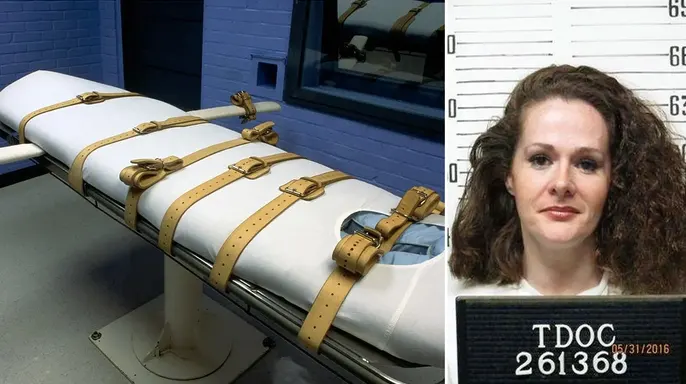
Pike was rushed to a hospital, hooked up to a ventilator, and stayed unconscious for six days before waking on Oct. 6, her lawyers reported. She was moved back to the Debra K. Johnson Rehabilitation Center women's prison on Oct. 10, where she continues to receive medical care, according to a statement from her legal team. In the wake of this failed execution, Tennessee Gov. Bill Lee has paused all state executions while they conduct a further review. Fox News Digital reached out to both the Tennessee Department of Correction and Pike's attorneys for comment, but answers remain scarce. The government holds tight control over what happens inside these walls, leaving families in the dark about the full sequence of events. What risks does this pose to communities already strained by violence and injustice? Can a system built on finality ever admit failure without causing deep harm?
Photos