Digital Screens Turn Voluntary Tipping Into Mandatory Obligation
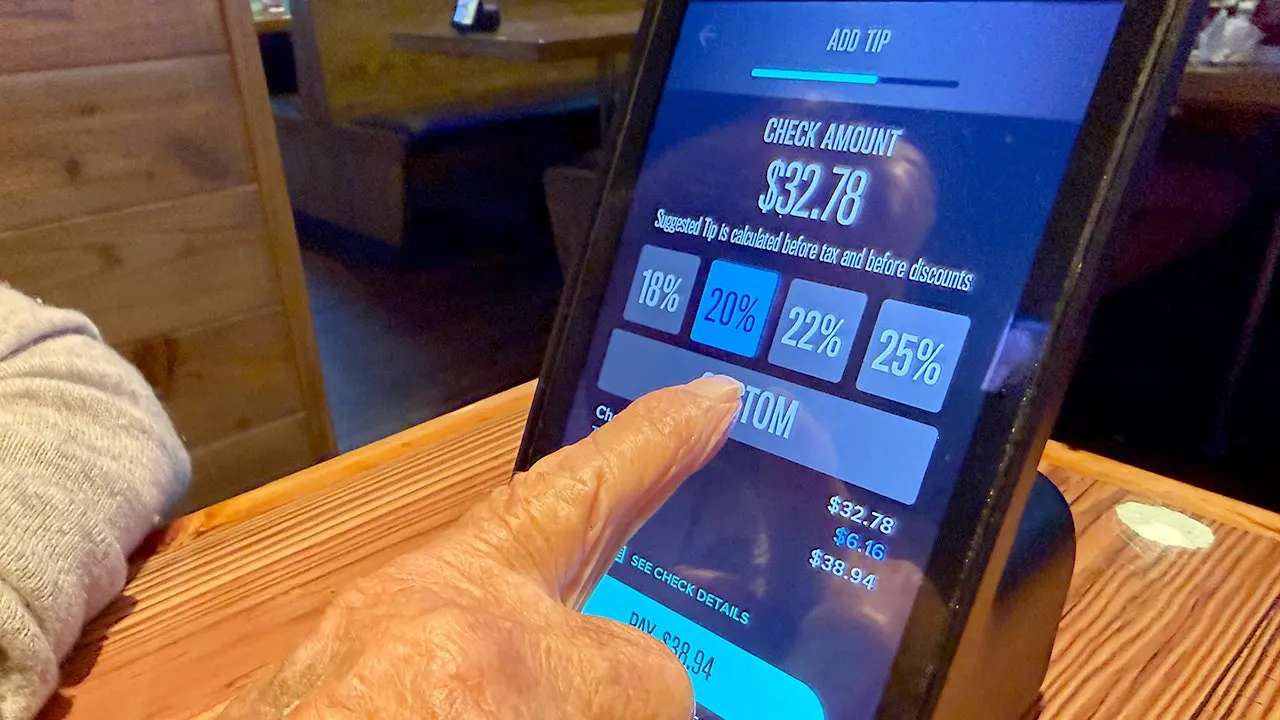
I have no problem with tipping. I love giving money for a job well done. It is part of American culture. However, I do have a serious issue with being manipulated into it. America did not just create a tipping system. We created a guilt culture mixed with technology. Somewhere between the pandemic and the rise of digital payment screens, saying "thank you" quietly became a financial obligation. What used to be a reward for exceptional service has turned into an expectation for simply completing a transaction.
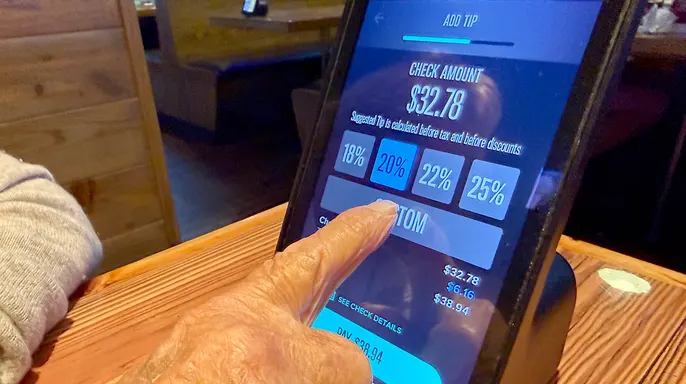
Is there anything more annoying than a takeout employee saying, "The computer just wants to ask you a question?" Guess what happened? It did not ask me how happy I was with the service but instead asked how much money I wanted to leave as a tip. Today, whether you are buying a latte, picking up takeout, ordering frozen yogurt or grabbing a sandwich, you are often confronted with the same three oversized buttons: 20%, 25%, and 30%. In one place, I saw four buttons of 18%, 20%, 22%, and 25%. Notice what is missing? Fifteen percent. Apparently, gratitude now starts at 18% where generosity used to end.
Let's be clear. This isn't about hardworking servers, bartenders or delivery drivers. Many depend on tips, and they deserve to be rewarded for outstanding service. This is about businesses discovering that it is easier to ask customers to absorb higher labor costs than to honestly raise their prices. And it is easier to make it difficult for people to instantly opt out rather than quickly opt in. Instead of charging what something actually costs, they have outsourced the uncomfortable conversation to an iPad. The menu says one thing. The checkout screen says another. That is not transparency. That is behavioral marketing.
Even worse, tipping has escaped the restaurant and invaded nearly every corner of American life. Coffee shops. Bakeries. Stadium concession stands. Airport kiosks. Food trucks. Self-serve frozen yogurt. Retail counters. Even places where the only interaction is someone handing you the item you already paid for like the six bagels I picked out and picked up recently. Is there anything more annoying than a takeout employee saying, "The computer just wants to ask you a question?" We are no longer tipping for service. We are tipping for existence.
And let's stop pretending those payment screens are neutral. They are not. They are designed to make you hesitate before pressing "No Tip." If you can find the "No Tip" button to begin with on the screen. The employee is watching. It feels uncomfortable. The next customer is waiting. Nobody wants to feel like the villain over a cup of coffee. Businesses understand human psychology. That is why those screens do not ask, "Would you like to leave a tip?" They ask, "How generous are you?"

There is another consequence no one talks about. As expected tips keep climbing, consumers do not become more generous. They become more skeptical. They start tipping less enthusiastically, dining out less frequently, or avoiding businesses that constantly make them feel like they are being shaken down on a street corner. That is bad for customers. It is bad for workers. And it is bad for the businesses that started the trend. Here is a radical idea. If your hamburger costs $24 to sell profitably, charge $24. If your coffee needs to cost $6, put $6 on the menu. Stop advertising one price while hoping social pressure collects another 25% at checkout. Americans have always been generous. We donate billions to charity. We help neighbors after hurricanes. We rally around families facing hardship.
We hand out rewards to those who truly go above and beyond. But generosity holds its worth only when it comes freely, without strings attached. The instant kindness turns into an expectation, a digital mandate, or a guilt trip sent straight to our phones, it ceases to be gratitude and morphs into a hidden surcharge. A tip was never meant to act as another tax on the working class. Let us be crystal clear: this issue is not about the hardworking servers, bartenders, or delivery drivers who depend on those gratuities. These folks deserve recognition for outstanding service without question. It was always supposed to be a simple thank-you. Maybe it is time America remembered the difference between giving and paying.
Photos