Delivery Apps Flooded With Fake Food Photos That Lie
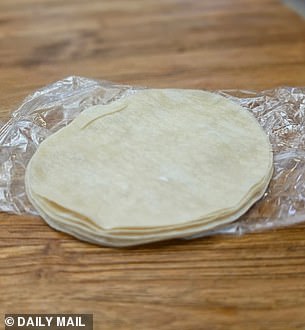
Fake food photos are flooding delivery apps like Uber Eats, Deliveroo, and Just Eat across the country. Unnaturally perfect burgers sit beside strangely spherical rice balls while physics-defying snacks appear on menus everywhere. The Daily Mail reporters ordered meals from these worst offenders to see if the reality could match the glossy promise. Some dishes arrived looking barely recognizable compared to the enticing images that first grabbed attention.
Experts warn this trend threatens trust in the entire restaurant industry. Food photographers have even called the practice dishonest and accused restaurants of false advertising. One AI-generated image of pancakes looked so far from the actual product it was genuinely laughable. An image checker tool confirmed the fakes, though a human eye could spot that these pictures couldn't be real food without expert training.
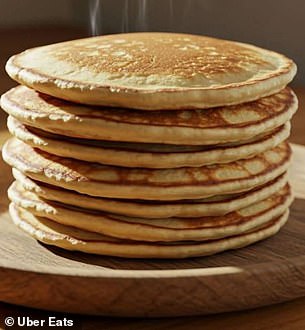
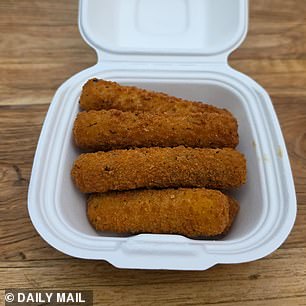
Mozzarella sticks from a restaurant called Pasta Bowl and Feast caught my attention first. They looked like standard deep-fried snacks until closer examination revealed something deeply wrong. What should have been oozing cheese looped back on itself like a mind-bending twist in an M.C Escher painting. This is such a classic tell of AI interference that modern generators usually avoid, making its appearance even more surprising. The food arrived and wasn't wildly different from the menu image. It was still mozzarella sticks after all. However, the received meal looked blander, less crisp, and far less appealing than the original picture.
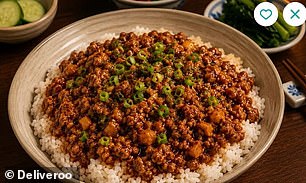
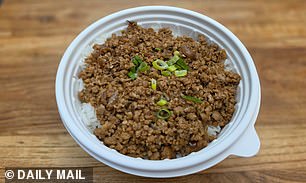
Another nearby Chinese restaurant named Mimi Noodle and Tap showed the same pattern. The total lack of reviews felt slightly unnerving at first. Yet the food photos on Uber Eats looked incredibly good. Sauces glistened while vegetables were chopped to an almost impossible uniformity. Everything appeared steaming hot and freshly made right from the screen. When my Chinese Pork Ragù Rice Bowl arrived, it was not miles off the AI-generated image. It actually turned into a very nice lunch. The main difference was that the real food looked less polished than what I had been sold on.
Mimi Noodle and Tap admitted to using these tools directly. They told me we do not seek to conceal the fact that AI-assisted tools have been used in the production of some of our menu imagery. This honesty stands out against a backdrop of deception where fraudsters use AI to pretend takeaways are undercooked or ready when they are not. Communities risk losing faith in local eateries if every photo tells a lie about quality and preparation.
I have used the option to identify an image as illustrative or for reference where a delivery platform provided that choice. In other cases, my disappointment was significantly more severe. The picture of my rotisserie chicken burger from Five Rivers Rotisserie already looked like an AI-generated mess. The actual product was far worse. The burger was flat and floppy. It came wrapped in the single wettest piece of bread I have ever touched. It felt almost like someone had dropped the food into a mayonnaise-flavoured puddle along the way.
Often the food was always that bad. Sometimes it matched the AI-generated image quite closely. Left shows an AI-generated menu. Right shows the food as delivered. In fact, as we looked through more and more restaurants across the most popular delivery apps, it became clear that the AI-generated images often looked far tastier than the real food ever would be. This isn't just a quirk of my own personal taste. Studies now show that people actually prefer fake food to the real deal.
Dr Giovanbattista Califano is a behavioural scientist from the University of Naples Federico II who has investigated this effect. He told the Daily Mail: 'AI-generated food images are consistently rated as more visually appealing than real photographs. The reason is that generative models tend to idealise food. Images come out glossier, more symmetrical, better lit and more flawless than a real dish photographed under normal conditions. So an AI image can look "better than real" simply because it strips out the imperfections a camera would normally capture.'
Researchers say that AI images are something called a 'superstimuli'. This means they possess exaggerated characteristics that amplify the effects of their real counterparts. Dr Alexander Diel is a psychologist and cognitive neuroscientist from the LVR University Hospital Essen. He told the Daily Mail: 'Food superstimuli have been used for food advertising long before AI, via photo editing. But AI has the potential to create such images with ease.'
The food that arrived was far soggier and much less appealing than its picture on the menu implied. Left shows an AI-generated menu. Right shows the food as delivered. However, there is a stark difference between editing an image of real food using AI-powered tools and dreaming up a food item that never existed. 'An AI-generated image of a food served by a specific restaurant will likely not correctly represent the actual food dish,' says Dr Diel. The AI is not trained on that restaurant's food images. So what the customers see will not be the dish actually served.
In some cases, this leads to AI-generated menus being not just disappointing but outright misleading. For example, I was very intrigued by a restaurant boldly named 'SPARTA!!!' which offered a dish called 'Falafel Bombs'. While I wasn't expecting to be blown away, the food that was delivered simply looked nothing like the picture on Just Eat. Rather than round, herby balls that are golden on the outside and soft inside as promised, I received a cardboard cup filled with brown, cardboard-like pucks. And yet, that still wasn't the worst AI mixup out of the restaurants operating across popular apps. Some of the AI images were harder to spot, but they were obvious in comparison with the real food. Left shows an AI-generated menu.
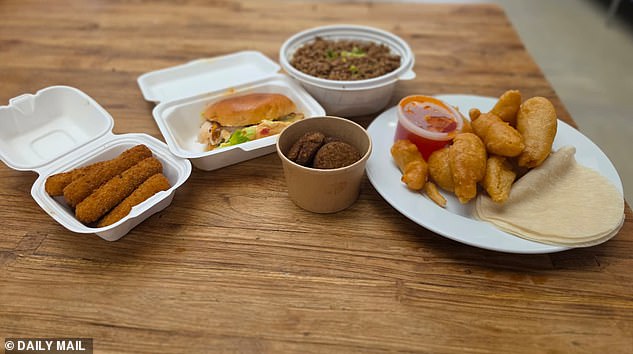
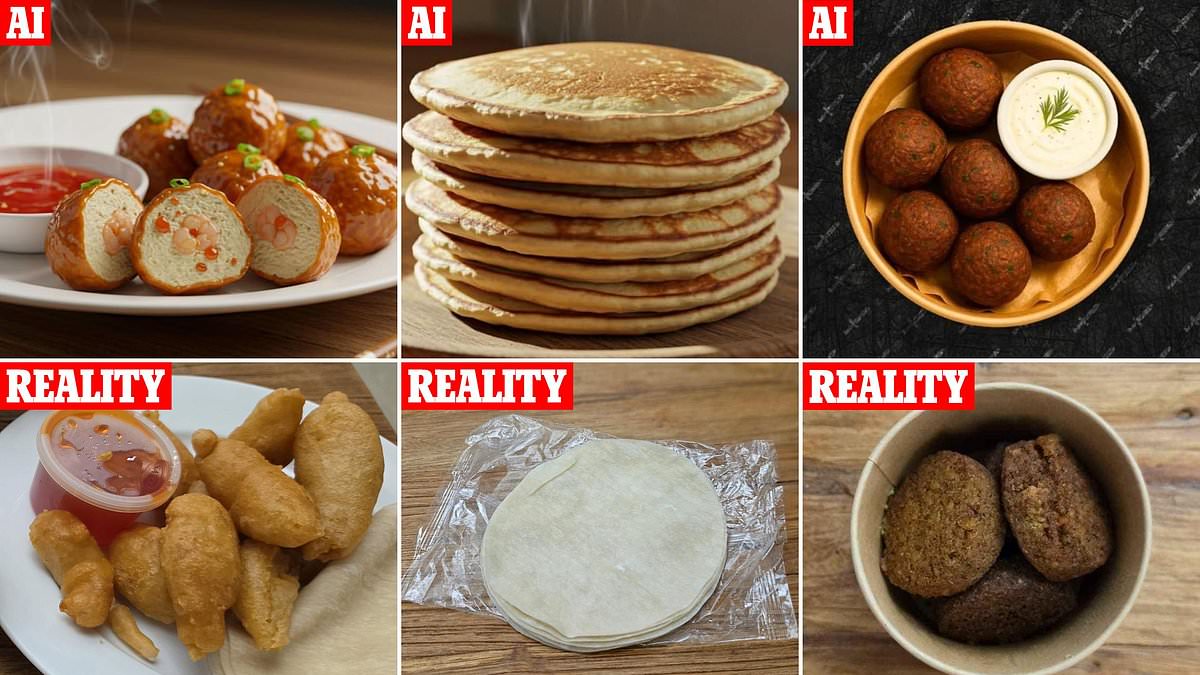
The fact that Taste of China ran out of a pizza shop should have been my first warning sign. Yet, the menu offered such a baffling mix of obviously AI-generated mashups that I simply could not resist seeing what the food really looked like. The dishes appeared carved from wax while the plate held mysterious spheres in every strange shape and size imaginable. Most incongruously, pancakes sat listed as an accompaniment to roast duck. These fluffy stacks proudly displayed a steaming pile of American-style batter right next to savory meat.
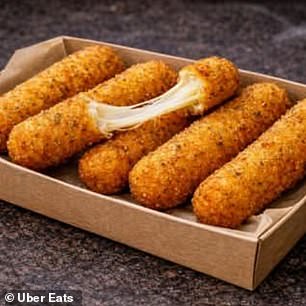
Ever the optimist, I ordered a stack of suspiciously cheap pancakes along with Sweet and Sour Prawn Balls that resembled Ikea meatballs stuffed with cake batter. I knew disappointment was likely but never anticipated how terrible it would be. After an hour of calling to track down my errant delivery, the food finally arrived. The bag contained deep-fried prawns so greasy that oil literally poured onto my desk when opened. Worst of all, a small sad plastic bag held plain duck pancakes instead of the promised treat.
Listing these pancakes as a side for roast duck should have been a huge hint that something was wrong with the operation. People might laugh this off as the stupid consequences of deliberately ordering dodgy takeout. However, those in the food industry are genuinely concerned about this trend. Brent Herrig, a New York-based commercial food and drink photographer, says restaurants use AI because of cost pressures and constant appetite for new content. He told the Daily Mail that social platforms demand fresh images constantly while restaurants running on thin margins cannot shoot every week. It becomes a rushed phone snap versus AI, and the artificial intelligence wins that fight easily.
Mr Herrig states he has nothing against using AI to enhance lighting or expand backgrounds in an image. But there is a clear line that should not be crossed when depicting specific dishes customers are asked to buy. The problem arises when the image shows food that was never cooked at all. Just Eat, Deliveroo, and Uber Eats all provide guidance advising restaurants that menu images must accurately represent the actual dish served. Both Just Eat and Deliveroo specifically forbid pictures entirely made by AI while using automated tools to filter out fakes. As my disastrous lunch clearly shows, enforcing these rules is not always easy in practice.
Meanwhile, the UK Food Standards Agency requires food businesses to label, advertise, and market food accurately without misleading people about quality or ingredients. The agency does not specifically prohibit using AI for these purposes yet. Photographers like Mr Herrig are not worried that AI will put them out of a job immediately. Their fear is that such generated images will undermine the whole basis of having pictures on menus at all. Food photography works because there is an implied promise behind every shot: someone stood in that kitchen, that plate existed, and a person made it. Take that away at scale and the entire category gets discounted quickly.
Lindsay Kreighbaum, a Los Angeles-based food photographer and director, told the Daily Mail that using an AI image was totally misleading if it is not a real photo. She adds that she worries about false advertising and all the negative implications that come with deceptive practices. Customers should never have to use their imaginations when deciding on a meal they intend to eat. This situation risks eroding trust in food businesses while communities face potential health issues from mislabeled products.
Customers deserve to know exactly what they will eat before paying for it. One voice called out the deception, stating clearly that lying about food pictures breaks trust between buyers and sellers. The result is a business model built on lies rather than honest transactions.
A Just Eat spokesperson spoke up to defend the platform's standards. They told the Daily Mail that their tens of thousands of independent restaurant partners must use images showing the real food they sell. To help this happen, the company funds local professional photographers who take authentic shots for these partners.
The statement made it clear that AI-generated photos are not allowed right now. Just Eat confirmed that any questionable examples shared with them have already been taken down from their systems. This action shows a firm commitment to keeping menus honest and transparent for everyone involved in the delivery game.
Uber Eats and Deliveroo did not issue a response when asked by the Daily Mail about these issues. All restaurants mentioned in the report were also approached directly to get their side of the story, but no further comments came back from them yet. The silence speaks volumes while customers wait for answers on whether their food is real or just a digital fabrication.
Photos