Declassified Files Prove Presidents Knew of 9/11 Threats Years Ago
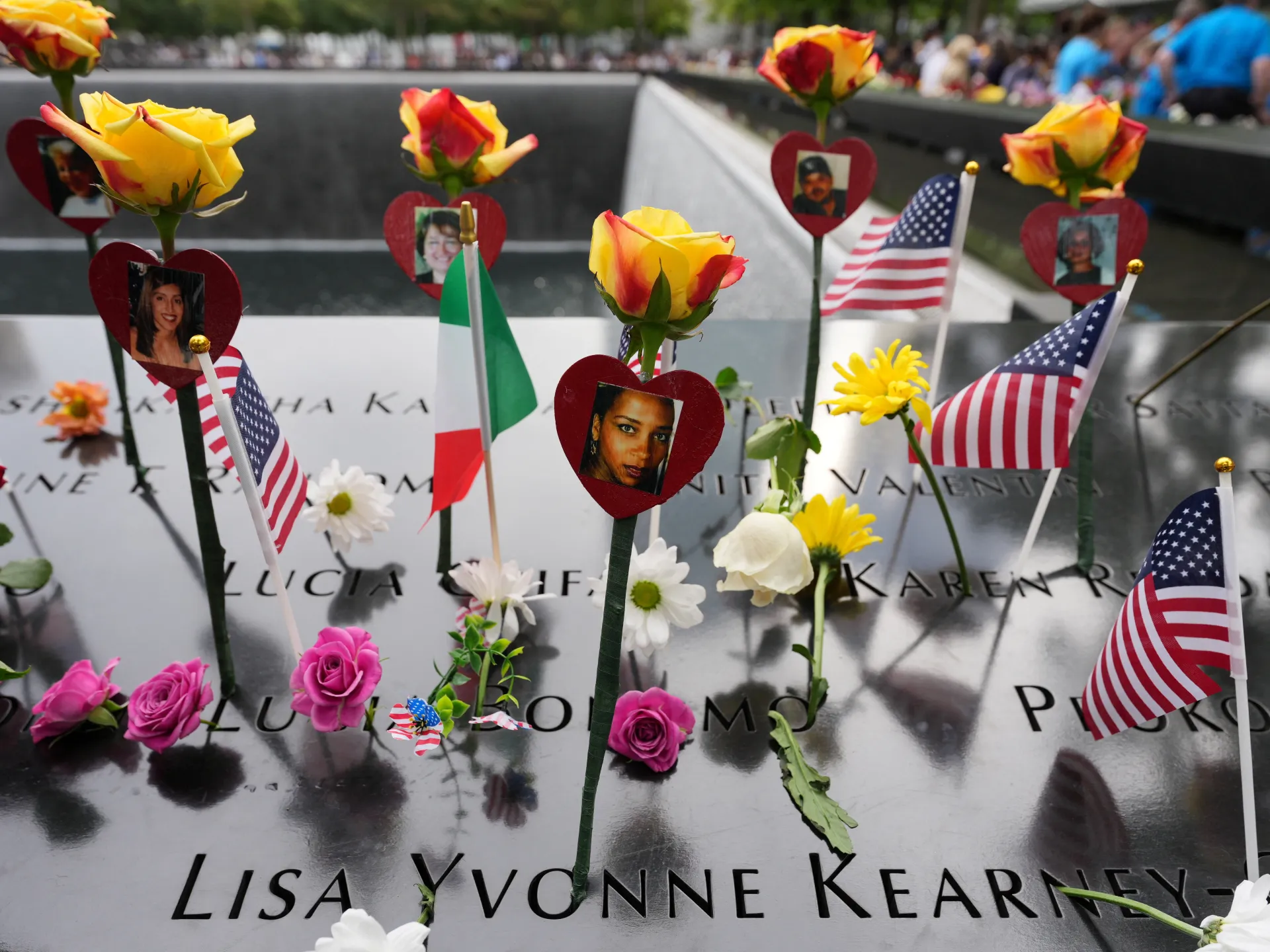
Twenty-five years have passed since the terror attacks on September 11, yet the CIA has finally let the public see what American leaders knew before the planes crashed into the World Trade Center and the Pentagon. The agency declassified a massive trove of documents proving that US presidents received specific warnings about Osama bin Laden and al-Qaeda well before those hijackings killed nearly 3,000 people.
CIA Director John Ratcliffe called this move an act of exceptional transparency. It stands as the biggest release ever of presidential daily briefs. These are classified intelligence summaries handed directly to the president and his top officials. The files cover everything from February 1998 right up through September 12, 2001, the day after the deadly strikes on New York City and Washington, DC.
The documents reveal how the CIA tracked bin Laden's movements, followed his financing streams, and monitored his networks both inside the US and abroad. One briefing warned that the group responsible for bombings in East Africa might fly an explosive-packed airplane into a US city. Another noted that some members of bin Laden's network had received hijack training. Others described his search for materials to build a radioactive dirty bomb.
These papers add little new detail on exactly how the attacks were planned, but they do show a paper trail of warnings that piled up over time. Seventy-one briefs make up this collection. They run 101 pages long in total. The earliest one is titled Terrorists seeking WMD capability and dates back to February 13, 1998. The final report, Situation Report: Bin Laden's Tracks, carries the date September 12, 2001.
Between those two points lie briefs on the Taliban refusing to hand bin Laden over, his hunt for chemical, biological, and radiological weapons, and repeated alerts that he intended to strike inside the United States. Many pages remain redacted to protect sources. The files show analysts were tracking bin Laden's movements and the support system around him from quite early on. Some of the warnings laid out in these presidential briefs were strikingly specific.
In September 1998, three years before the attacks occurred, an intelligence briefer wrote that bin Laden's preferred option was to strike the US on its own soil in Washington. Analysts also noted his interest in unconventional weapons like chemical, biological, and radiological agents. By June 1999, briefs included reports stating bin Laden's operatives had experimented with explosives to increase their energy output as part of a pursuit of so-called dirty bombs. The obstacles were understood too. An April 1998 brief found there was no evidence the Taliban intended to hand bin Laden over. They described him as their guest and noted that gratitude for his assistance during the Soviet occupation of Afghanistan between December 1979 and February 1989 left them reluctant to alienate him by monitoring or controlling his activities.
How many warnings of an attack was the president given? The warnings weren't just occasional; they kept coming. In 1998, 1999, and 2000, there were several reports, including one titled Terrorism: Bin Laden Extremists Planning Attacks. Then in 2001, when George W Bush took over as president from Bill Clinton, the frequency increased. By the summer, the language was increasingly alarming. One briefing simply read: Bin Laden Determined To Strike in US. Did officials know planes could be used in an attack? Yes, as early as 1998. A brief dated September 10 that year, titled Bin Ladin's Location and Intentions, recorded his stated preference for striking Washington. It then added that the group behind that summer's East Africa US embassy bombings may fly an explosive-packed airplane into a US city. The Federal Bureau of Investigation had quickly determined those attacks had been carried out by al-Qaeda.
The same memo cautioned that intelligence gave no conclusive information on his intentions for future attacks. That December, another brief described conspirators who had evaded security checks during a recent trial run at an unidentified New York airport. It noted some members of the Bin Laden network have received hijack training. That brief, dated December 4, 1998, was titled Bin Laden Preparing To Hijack US Aircraft and Other Attacks. Does this prove the US government knew 9/11 was coming? No. It may raise serious questions about why it did not appear to be more prepared, but it does not show any evidence of a lack of will by the government to prevent an attack. The newly released material reinforces the explanation that intelligence agencies had many pieces of the puzzle but failed to assemble them into a clear picture in time.
There is no evidence at all to support conspiracy theories about government involvement or that government officials had prior knowledge of the attacks, which have grown in popularity in the US. Are all of these documents new? No, some of the briefs have been made public before. The two best-known items were already out. The August 6, 2001 brief, Bin Ladin Determined To Strike in US, was declassified in 2004 at the 9/11 Commission's request. The broader findings are also known. US intelligence had tracked bin Laden's intentions for years. Aircraft featured in the reporting were noted. None of it identified the time, place, method, or targets of the eventual plot. The 9/11 Commission set all of this out more than two decades ago. This release adds the underlying documents, written in the briefers' own words rather than a commission summary.
Photos