Death toll climbs as new glacial lake forms at crash site
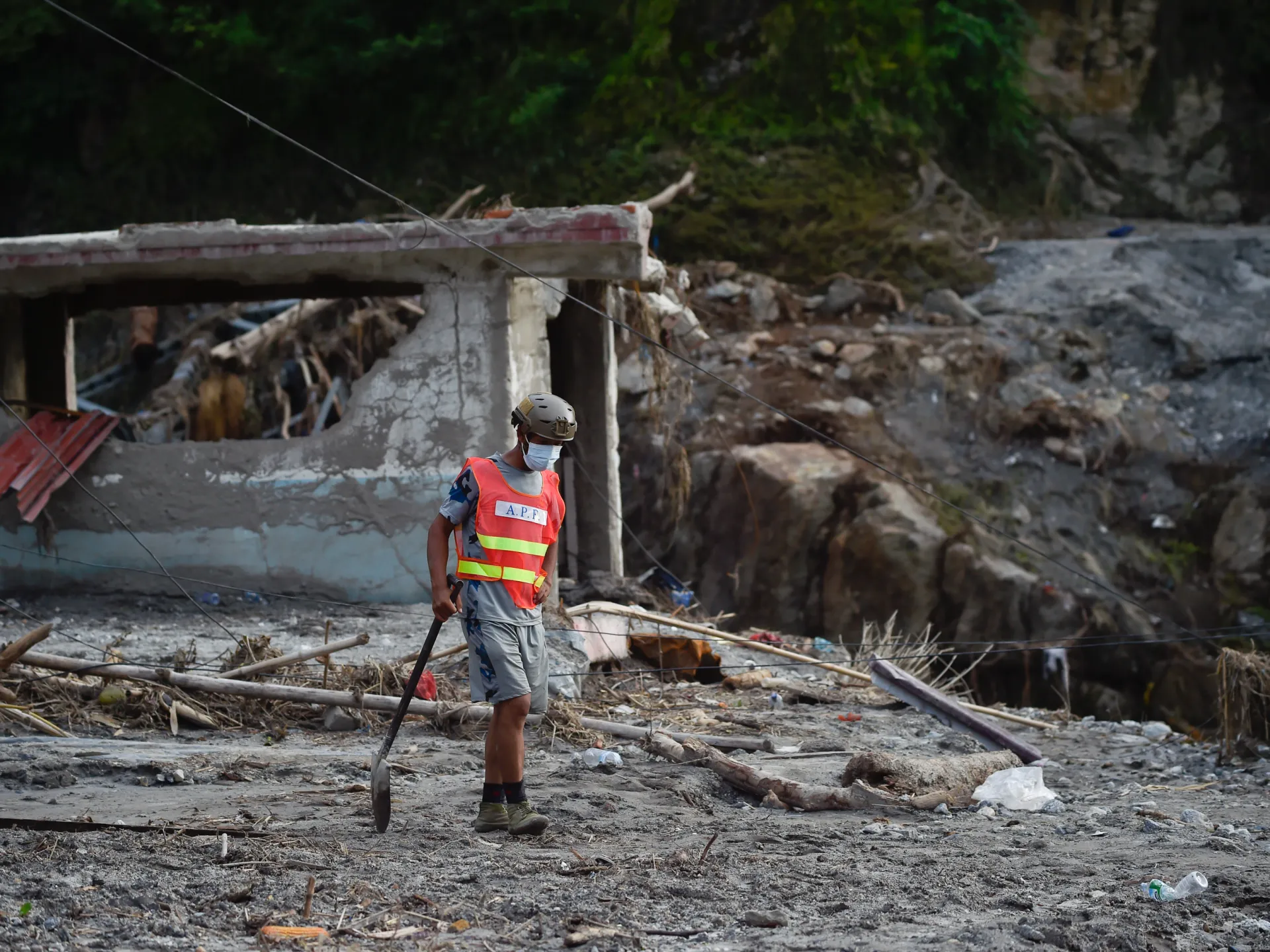
Rescue teams have returned to work in Nepal after a short break caused by fears of another glacial flood. Experts now warn that danger remains high because a new lake is forming at the crash site. Workers are digging through the devastated border region between Nepal and Tibet while trying to keep people safe from collapsing ice. The official death count keeps climbing, with Nepal's disaster agency confirming at least 579 fatalities and 1,924 people still missing. In Tibet, Chinese authorities say five more people have died since the catastrophe started, leaving 558 others unaccounted for.
The nightmare began on Wednesday morning when a chunk of glacier gave way high in the Himalayas near 5,200 metres. That massive slab plunged about 1,200 metres down while gathering tons of rock and debris before slamming into the Lende River with deadly force. The resulting wall of water swept south through Rasuwa, Nuwakot, and Dhading districts in Nepal. At one point it raised the Trishuli River by nine metres in just thirty minutes. Scientists previously thought an earthquake triggered the event but the US Geological Survey now says the seismic signal came from the landslide itself.
A new lake formed where the glacier broke apart and kept rising after the collapse, forcing rescuers to pause their search temporarily. Operations have restarted only because officials judged that the risks from this expanding body of water were finally manageable. Alton Byers, a glacial-hazards scientist at the University of Colorado Boulder's Institute of Arctic and Alpine Research, told Al Jazeera that the barrier holding back the lake is extremely unstable. It consists mostly of loose debris that cascaded into place two days earlier with little holding it together now. He noted the safest outcome would be natural drainage or manual lowering using hand tools since Chinese crews could try those methods to prevent another surge.
Chinese Premier Li Qiang visited the disaster zone in Gyirong on Thursday while President Xi Jinping chaired a meeting ordering officials to scientifically formulate search-and-rescue plans and strengthen monitoring of glacial lakes. State media reported these directives aimed at preventing future tragedies caused by similar geological shifts. Aid has arrived from India, the UN, the Red Cross Federation, Australia, South Korea, and the US to help overwhelmed local teams. Officials warn the death toll will likely keep rising as rescuers reach areas still cut off by thick mud and washed-out roads. The situation remains fragile with every hour bringing new challenges for both communities and first responders.
Photos