Deadly Flea-Borne Typhus Surges in Los Angeles County, Hospitalizing 90% of Infected Patients

A deadly flea-borne illness has reached unprecedented levels in Los Angeles County, with health officials sounding the alarm over a surge in cases that have hospitalized nearly 90% of those infected. In 2025 alone, public health records confirmed 220 cases of flea-borne typhus, a sharp increase from the previous record of 187 cases in 2024. Once considered a rare occurrence in the region, this bacterial disease is now causing widespread concern, with its symptoms ranging from debilitating fevers and body aches to severe complications that can lead to death. The Centers for Disease Control and Prevention (CDC) has long emphasized that early detection and treatment are critical to preventing serious outcomes, yet delays in diagnosis remain a persistent challenge. Health experts warn that the disease's resurgence is not just a medical issue but a public health crisis with far-reaching consequences for vulnerable communities, particularly those living in overcrowded or unsanitary conditions.
The outbreak has been concentrated in three major areas: central Los Angeles, coastal Santa Monica, and the unincorporated neighborhood of Willowbrook near Compton. However, cases have been reported across the county, underscoring the need for a coordinated response. Pet owners are among those facing heightened risks, as infected fleas can travel indoors on dogs and cats. While pets may not show symptoms, they can carry fleas that bite humans or leave behind contaminated feces on furniture. The disease does not discriminate by age, with cases spanning from infants to individuals in their 80s. Yet certain groups are disproportionately affected, including unhoused individuals, people living in rodent-infested housing, and workers who interact regularly with stray animals. According to the Los Angeles Public Health Department, these populations are particularly susceptible due to increased exposure to fleas and limited access to preventive care.
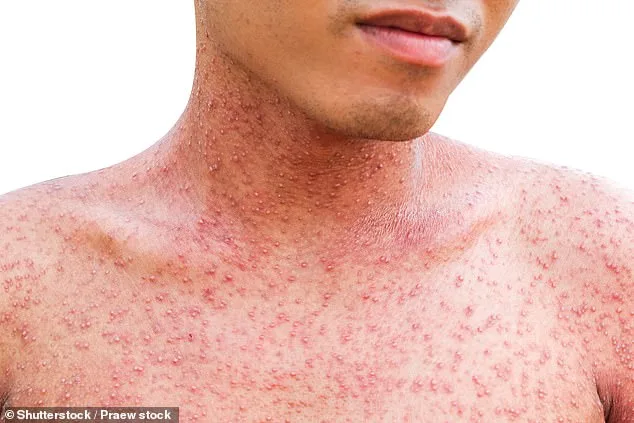
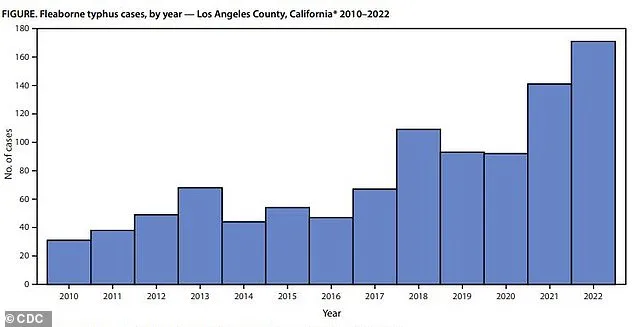
Warmer temperatures have likely played a significant role in amplifying the outbreak. Fleas thrive in heat, reproducing more rapidly during late summer and fall, seasons when typhus cases typically peak. The extended warm weather of 2025 created ideal conditions for flea populations to explode, contributing to the record numbers seen last year. Public health data show a troubling trend over the past five years, with cases rising steadily from 141 in 2021 to 171 in 2022, dipping slightly to 124 in 2023 before surging again in 2024 and breaking records in 2025. While no deaths were reported in 2025, the high hospitalization rate has alarmed experts, who stress that typhus is far from a minor illness. Symptoms—such as high fever, severe headaches, chills, and a rash on the chest, sides, or back—can mimic other conditions, leading to delayed diagnosis unless patients explicitly mention potential flea exposure to their doctors.
Dr. Muntu Davis, Los Angeles County Health Officer, has urged residents to take immediate action to curb the spread of typhus. "With cases at an all-time high and most requiring hospitalization, it's critical that people take simple steps now," he emphasized. Key recommendations include using flea control products on pets, avoiding contact with stray animals, and ensuring that wildlife does not have access to homes or yards. These measures are particularly vital for communities where fleas are prevalent due to rodent infestations or lack of pest control. Health officials also recommend that anyone experiencing symptoms such as fever, headache, or rash seek medical attention promptly, as early treatment with antibiotics like doxycycline can prevent severe complications. The CDC has reiterated that while typhus is treatable, delayed care significantly increases the risk of hospitalization and long-term health issues.

The implications of this outbreak extend beyond individual health, posing a broader threat to public well-being and community resilience. Health experts warn that without sustained efforts to address rodent populations, improve sanitation, and educate residents about flea prevention, the situation could worsen in future years. Vulnerable populations, including the unhoused and low-income families, are particularly at risk, highlighting the need for targeted interventions and resources. Local authorities have pledged to expand outreach programs, distribute free flea control supplies, and collaborate with community organizations to reduce transmission risks. As temperatures continue to rise and urban environments grow more complex, the fight against flea-borne typhus demands a multifaceted approach that balances immediate action with long-term planning. The stakes are high—failure to act could lead to more hospitalizations, economic strain on healthcare systems, and a growing public health emergency that threatens to spread beyond Los Angeles County.
The number of typhus cases in Los Angeles County has reached unprecedented levels, with 220 confirmed infections reported in 2025 alone—a sharp jump from the previous record of 187 cases in 2024. Public health officials are sounding alarms as data from the CDC reveal a troubling upward trend, escalating from 31 cases in 2010 to 171 in 2022 before surging further. This once-rare disease, caused by *Rickettsia typhi*, is now demanding urgent attention from residents and authorities alike. The bacterium spreads through infected flea feces, which humans can contract by rubbing the excrement into open wounds, scrapes, or even the eyes.

Experts warn that the resurgence is tied to a complex web of factors, including growing rodent populations and lapses in preventive measures. Fleas acquire *Rickettsia typhi* by feeding on infected animals such as rats, stray cats, and opossums. For outdoor enthusiasts, hikers, and anyone spending time in brushy or grassy areas, the CDC emphasizes protective steps: wear long pants and socks, apply insect repellent labeled for flea control, and wash hands thoroughly after handling animals or touching surfaces where rodents may have been. These precautions are not just recommendations—they are lifelines in a region now grappling with a public health crisis.
Pet owners face a critical role in curbing the spread of typhus. Veterinarians stress that flea control must be year-round, not seasonal. Approved treatments include topical medications, oral drugs, and flea collars, but vigilance extends beyond pets themselves. Regular grooming and bathing can detect infestations early, while frequent vacuuming of carpets, rugs, and furniture removes flea eggs and larvae before they mature into biting adults. Pet bedding should be washed weekly in hot water, and areas where animals sleep must be inspected closely for signs of fleas or rodent activity.
Inside the home, sealing cracks and openings in foundations, walls, or roofs is essential to prevent rodents from entering. Outdoor spaces require equally rigorous maintenance: trim tall grasses, remove brush piles, and clear leaf litter that serves as shelter for pests. Trash bins must have tight-fitting lids to deter rats, opossums, and stray cats, which can carry infected fleas. Leaving pet food or fallen fruit accessible overnight is a direct invitation to wildlife, increasing the risk of flea exposure.
Public health officials acknowledge the alarming statistics but emphasize that typhus remains preventable and treatable with prompt medical care. Simple habits—like maintaining clean environments, using vet-approved flea treatments, and practicing good hygiene—can drastically reduce the risk for individuals and communities. As cases climb, the message is clear: this is not a time for complacency. The battle against typhus requires coordinated action from every household, pet owner, and outdoor enthusiast to halt its spread before it becomes an even greater threat.
Photos